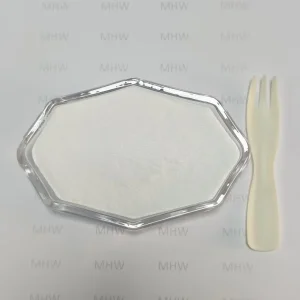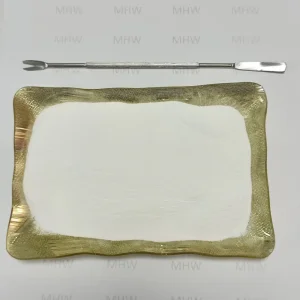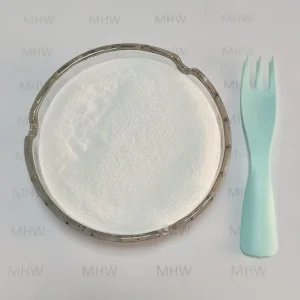
Industrial grade bioactive agents formulated to support regional formulation stability, nutritional profiles, and premium clean-label standards.
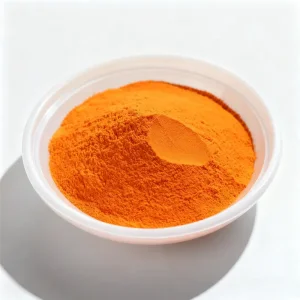
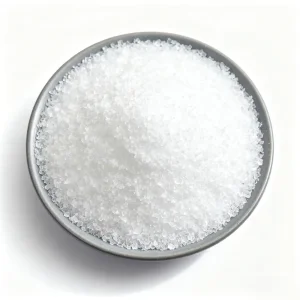
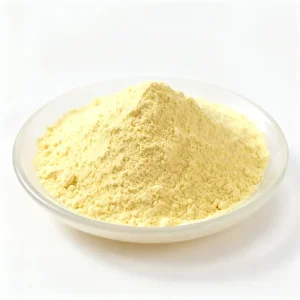
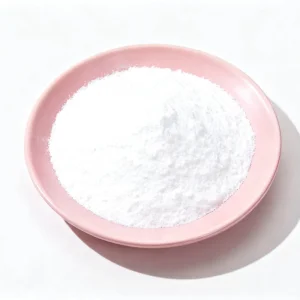
An authoritative whitepaper on functional bio-ingredients, Halal standards, and macroeconomic growth trends in the Jabodetabek metropolitan area.
The Jakarta metropolitan region (Jabodetabek) stands as the principal powerhouse of Indonesia’s food and beverage industry, displaying a robust year-on-year demand acceleration. Backed by shifting middle-class demographic patterns, rising disposable income, and a national push for preventive healthcare, the demand for functional ingredients, preservatives, and bio-nutrients has experienced a paradigm shift. Consumers are transitioning beyond basic caloric sustenance toward active ingredients that yield measurable physiological benefits—such as cellular hydration, cardiovascular support, and immune enhancement.
As global food manufacturing groups establish local divisions in Jakarta, the supply chain demands have grown increasingly sophisticated. Industrial operations require high-purity, bio-compatible compounds that can resist the extreme processing parameters of high-heat extrusion, spray drying, and modern pasteurization methods. For global brands seeking entry or market consolidation in Indonesia, aligning raw ingredient sourcing with national legislative standards is the foundation of structural supply chain sustainability.
The food and beverage processing ecosystem in Indonesia is geographically clustered around Jakarta’s outer peripheries, notably the industrial parks of Cikarang, Karawang, MM2100, and Pulogadung. These specialized production zones host major domestic conglomerates (such as Indofood, Mayora, and Kalbe Farma) along with multinational FMCG brands. These industrial sites require massive raw material consistency. Sourcing directors focus primary attention on high-yield microbial products, pH buffer agents (such as citric acid), essential vitamins, and active biological factors.
Furthermore, active ingredient stability represents a primary concern due to Jakarta’s tropical climate, characterized by relative humidity averages exceeding 80% and temperatures hovering near 32°C. Ingredients must demonstrate low hygroscopicity or be supplied in high-barrier active protection packaging to prevent premature caking, oxidation, and degradation. Developing specialized particle structures, microencapsulation technologies, and optimized crystallization forms of essential food powders has become the technological standard for manufacturers supplying this market.
Any international manufacturer of food and cosmetic ingredients targeting the Jakarta market must design their production pathways around local regulatory mandates. Primary amongst these is the implementation of Halal Product Assurance (JPH) in accordance with Indonesian Law No. 33 of 2014. Under the authority of the Halal Product Assurance Organizing Agency (BPJPH) and working in close alignment with the Indonesian Ulema Council (MUI), foreign manufacturers must guarantee complete traceability across their entire raw materials catalog. All enzyme sources, raw fermentation medium constituents, and downstream recovery aids must be certified free of non-halal cross-contamination.
Simultaneously, the National Agency of Drug and Food Control (BPOM) imposes strict limits on limits of contamination, synthetic additives, and heavy metals. Standard operational protocols dictate that each raw material batch must be accompanied by detailed Certificates of Analysis (COA), microbiological verification (specifying absence of Salmonella, E. coli, and heavy metals), and full tracking transparency documentation. Implementing a robust quality management framework aligned with ISO 22000 and HACCP is mandatory to clear Indonesian import ports efficiently.
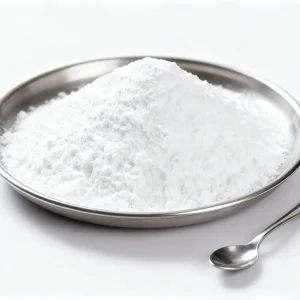
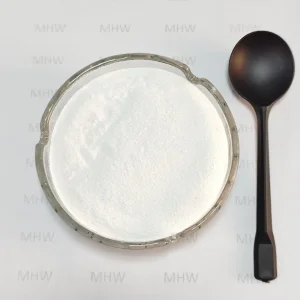
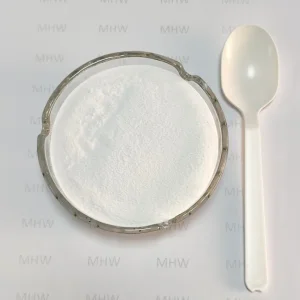
Recent scientific developments have transitioned the status of food additives from basic shelf-life enhancers to active health promoters. Our flagship biopolymer line, food-grade Sodium Hyaluronate, serves as a prime example of biological engineering. Through targeted Streptococcus zooepidemicus fermentation pathways, we extract high-purity hyaluronic acid molecules categorized into custom molecular weight zones to meet specific functional needs:
By combining these advanced bio-ingredients with high-grade citric acid for pH control and essential vitamins (such as pure Vitamin A and Vitamin C), food technologists in Jakarta can design novel shelf-stable wellness drinks, recovery jellies, and dietary supplements that align with modern consumer demographics.
Direct logistics coordination mapping into Jakarta's main shipping hubs including Tanjung Priok Port and Cengkareng Cargo hubs. This streamlines clearance procedures and maintains strict batch preservation.
Our R&D team provides specialized local assistance to Jakarta brands in chemical compound stabilization, pH adjusting solutions, active biological delivery vectors, and custom molecular matrix designs.
Every delivery includes certified documentation covering heavy metal analysis, GMO status, kosher/halal certificates, and full BPOM compliance data structures for smooth customs clearance.
Ready to source pure bio-nutrients, hyaluronate derivatives, and functional food additives? Contact our technical sales division for custom quotes and samples.
Get Free Samples TodayExpert answers addressing chemistry parameters, compliance strategies, and logistics execution in Jakarta.
Explore our extensive raw materials portfolio, formulated to deliver high assay levels and chemical integrity for domestic and export products.