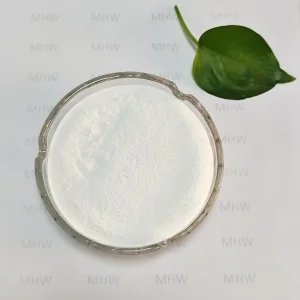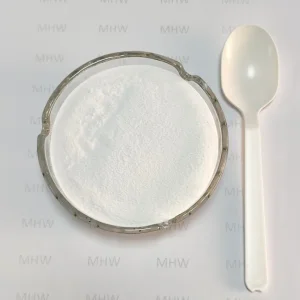
Functional Ingredients Supplier & Product in Toronto

Empowering Global and Local Food, Beverage, and Cosmetic Manufacturers with Biotech-Derived Bioactive Ingredients & High-Purity Raw Materials.

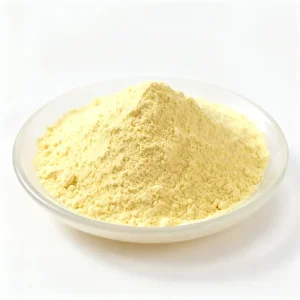
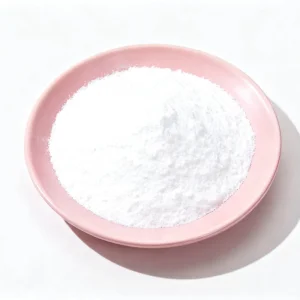
Featured Functional Ingredients for Toronto Industries

Premium functional raw materials designed for local dietary supplements, food acidulants, cosmetic formulations, and innovative food manufacturing processes.

Toronto's Functional Food & Ingredient Industry Landscape

The Greater Toronto Area (GTA) serves as Canada’s food processing epicentre, representing the second-largest food and beverage cluster in North America. Sourcing premium raw materials has transitioned from basic transactional buying to strategic, science-backed product development. Local manufacturers operating under Health Canada regulations and the Safe Food for Canadians Regulations (SFCR) face mounting pressure to produce clean-label, functional foods. The integration of high-purity bioactive agents—such as varying molecular weight Sodium Hyaluronates and pharmaceutical-grade active vitamins—remains central to this sector's local evolution.

Global & Regional Sourcing Realities: Supply Chain Integrity

Modern supply chain optimization necessitates partnerships that bridge international manufacturing efficiencies with local distribution standards. In the functional ingredient market, raw material purity (such as Citric Acid Assay ≥ 99.0% or exact microbial assay specifications for Sodium Hyaluronate) determines final batch stability and regulatory compliance. Food and beverage formulators in Ontario are increasingly seeking direct manufacturer relationships that offer comprehensive batch documentation, Kosher/Halal compliance, and ISO/GMP traceabilities.

Microbial Fermentation and Synthetic Biology: The China Manufacturing Advantage

China is a world leader in high-yield, bio-fermented ingredients. Advanced bacterial fermentation technology developed by Chinese manufacturing plants has dramatically reduced the cost of premium raw materials, particularly Sodium Hyaluronate (Hyaluronic Acid). By utilizing non-animal bio-fermentation methods (using strains like Streptococcus zooepidemicus), Chinese factories produce consistent, highly bio-available molecules ranging from ultra-low to ultra-high molecular weights. This technological edge provides up to a 40% cost reduction over traditional extraction, with scale capacities that guarantee year-round supply stability for global buyers.

Ingredient Group Core Applications (Toronto Market) Key Quality Standard / Assay Factory Sourcing Advantage
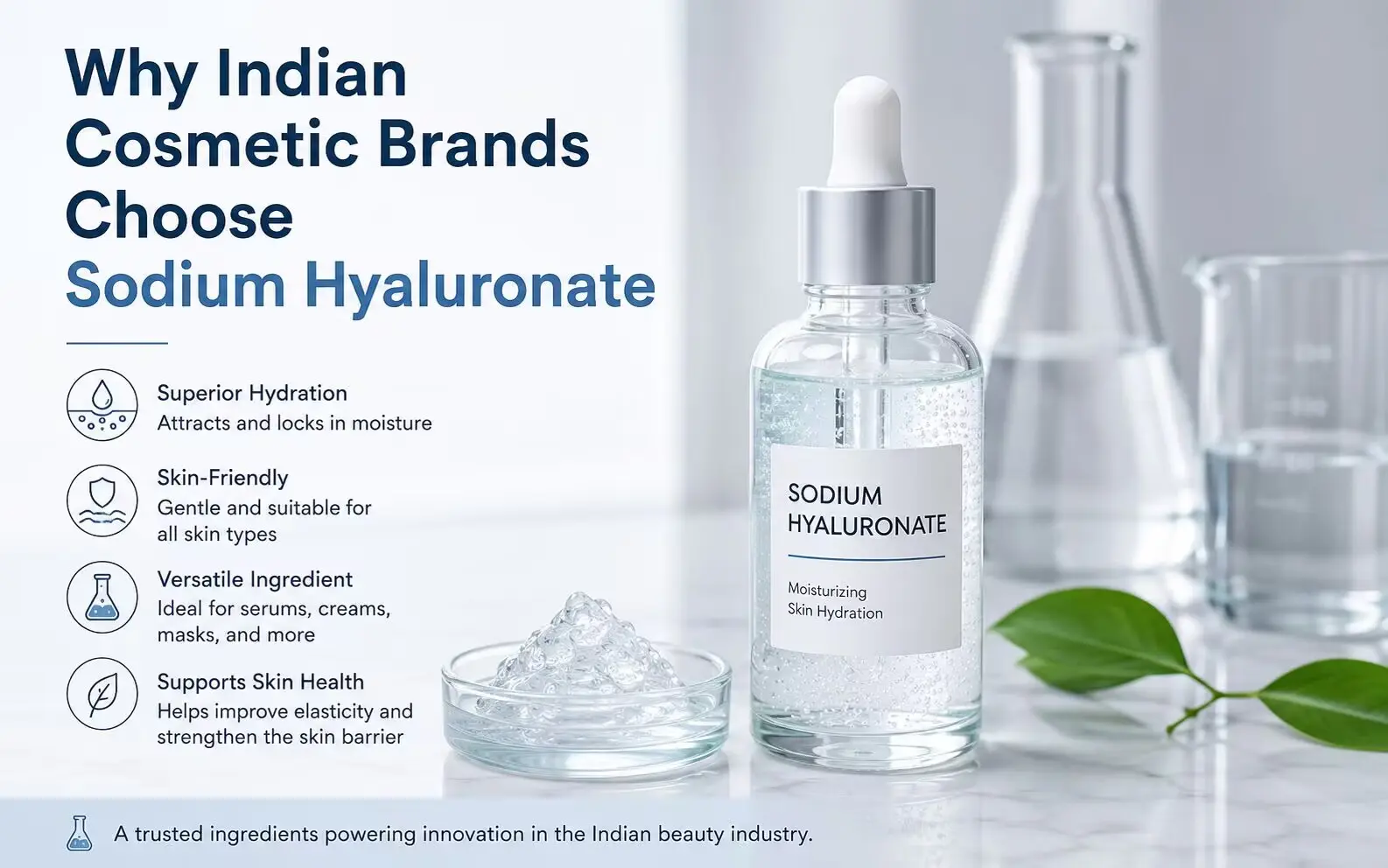
Sodium Hyaluronate Joint health gummies, nutraceutical drinks, anti-aging cosmetics Food & Cosmetic Grade, >95% Glucuronic Acid High-yield microbial fermentation, non-animal origin
Coenzyme Q10 Heart health supplements, softgels, skin serums USP / EP Standards, 98.0% - 101.0% Assay Enzymatic biosynthesis, superior heat and light stability
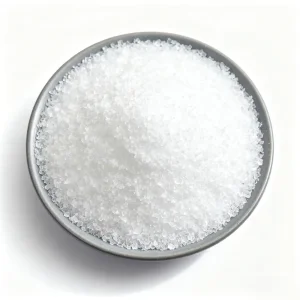
Citric Acid Anhydrous Beverage acidulant, shelf-life stabilizer, organic formulations BP / USP / FCC, 99.5% - 100.5% Assay Industrial-scale corn starch fermentation, optimized pricing
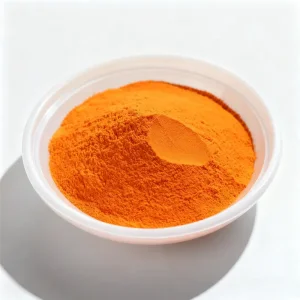
Vitamin A & C Powders Bakery fortification, functional juices, immune-support blends Water-dispersible powders, cold-water soluble (CWS) Advanced micro-encapsulation prevents rapid oxidation

Localized Application Scenarios in Ontario's Food & Cosmetic Sectors

For Toronto brands, functional ingredients are deployed across specific local consumer demands:

  • Premium Nutricosmetics (Beauty-from-within): Formulation of collagen-boosting ready-to-drink (RTD) beverages incorporating Low Molecular Weight Sodium Hyaluronate (LMW-HA) for accelerated dermal hydration from internal pathways.
  • Sports Nutrition & Joint Wellness: Synergy blends of High Molecular Weight Hyaluronic Acid combined with Chondroitin Sulfate to support synovial fluid viscosity in athletic formulations.
  • Clean-Label Beverage Preservation: Implementing ultra-high purity Citric Acid as a natural taste enhancer and pH regulator in craft breweries and artisanal soda companies throughout Southern Ontario.
9+
Years Sourcing Experience
500T
Annual Sourcing Capacity
20+
Export Nations Serviced
600+
Raw Materials Cataloged

The Science of Molecular Weights in Sodium Hyaluronate Sourcing

In Toronto's health and food supplement manufacturing networks, the biological activity of Sodium Hyaluronate depends heavily on its molecular weight. Traditional, low-technology suppliers offer generic grades that fail to meet biological targeted absorption standards. WFK Chem bridges this scientific gap with four distinct molecular thresholds:

1. High Molecular Weight (HMW) Sodium Hyaluronate (>1.6 Million Daltons)

HMW Hyaluronic Acid forms a dense molecular matrix upon hydration. Its high viscoelastic properties make it the premier choice for joint lubricating formulations (viscosupplementation) and gut mucosal lining barrier integrity. In food processing, it also behaves as a clean stabilizer, enhancing mouthfeel without requiring synthetic gums.

2. Medium Molecular Weight (MMW) Sodium Hyaluronate (800k - 1.5 Million Daltons)

MMW molecules offer balanced properties, maintaining structural moisture retention while facilitating moderate systemic transport. Ideal for general health supplements, energy bars, and premium functional yoghurts.

3. Low Molecular Weight (LMW) Sodium Hyaluronate (10k - 800k Daltons)

LMW forms are optimized for high metabolic absorption. The digestive tract breaks down LMW-HA rapidly, enabling fast bioavailability to joint tissues and connective cartilage. Widely utilized in capsule formulation and liquid health shots.

4. Oligo/Ultra-Low Molecular Weight (ULMW) Sodium Hyaluronate (<10k Daltons)

ULMW Hyaluronic Acid is synthesized via enzymatic degradation rather than aggressive chemical acid hydrolysis. This ensures the structural integrity of the individual disaccharide units, allowing deep penetration into skin layers when used in nutricosmetics or topical cosmetic applications.

Global Procurement Trends: What Buyers Demand in 2026

As functional food consumption moves from niche to mainstream, procurement directors in Toronto, Chicago, and Rotterdam are adjusting their buying behaviors. Modern parameters require suppliers to present clear certifications: ISO 9001, ISO 22000, HACCP, Halal, and Kosher. The demand for non-animal sourced (vegan) ingredients is at an all-time high, particularly in Canada where diverse populations and environmental values dictate dietary preferences. WFK Chem’s entire product line is derived from fermentation and bio-synthesis pathways, removing the risk of BSE/TSE and animal-related allergens.

Accelerate Your Functional Ingredient Pipeline
Request custom formulations, molecular weight alignments, and bulk price quotes directly from our manufacturing experts.
Send Inquiry Now

Global Market Insights & Sourcing Studies

Review the latest chemical manufacturing research, regional application reports, and regulatory guides from our global trade units.

Hyaluronic Acid Supply Chain Trends

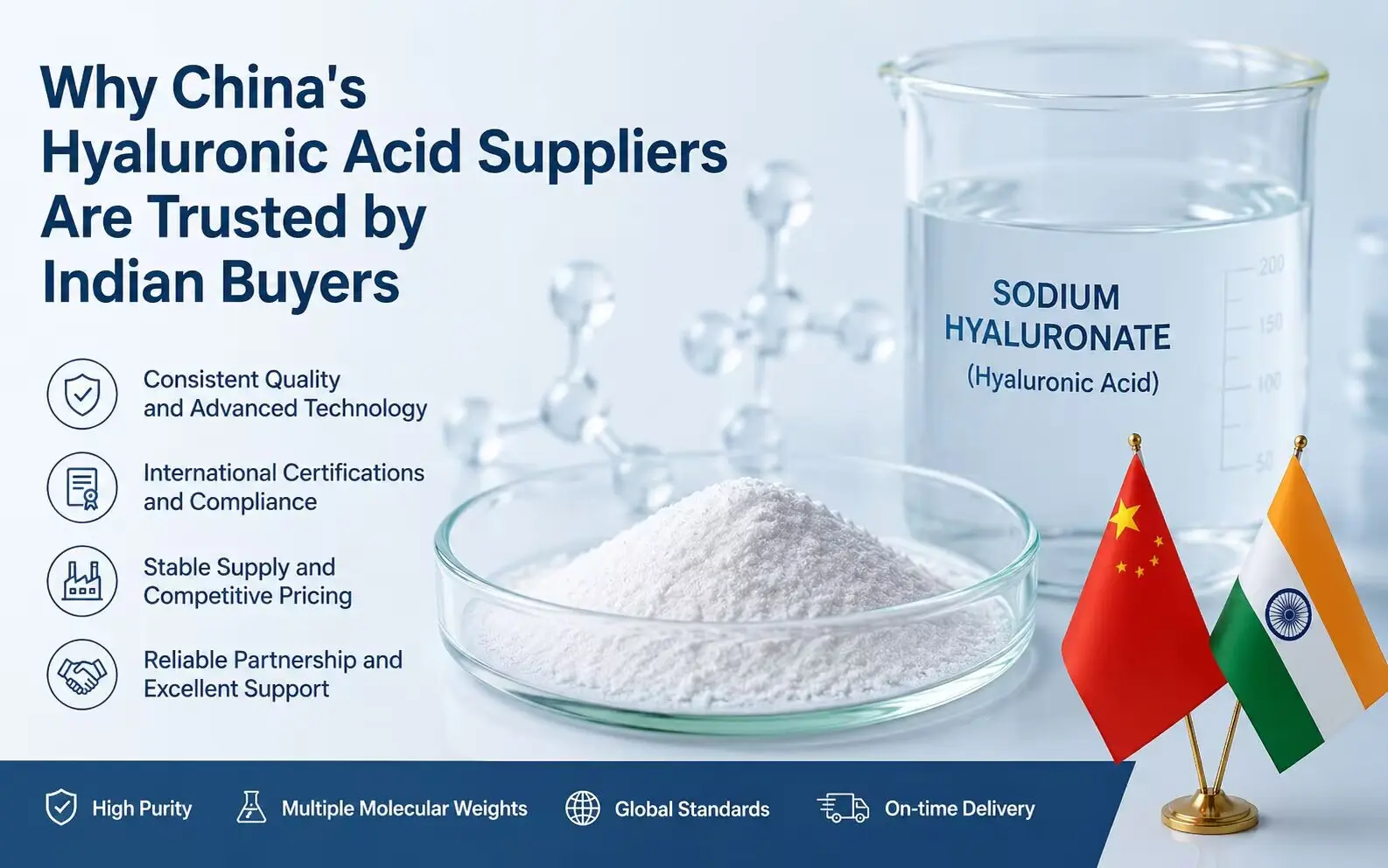
Why Chinese Hyaluronic Acid Suppliers Are Trusted by Global Buyers

An in-depth analysis of China's microbial fermentation tech, quality management protocols, and scale economies that satisfy North American import compliance.

Sodium Hyaluronate Cosmetics Industry

Why Global Brands Choose Sodium Hyaluronate for Advanced Skin Formulations

Examining clinical skin hydration, transdermal delivery mechanisms, and molecular purity indexes required by premium health and beauty developers.

Hyaluronic Acid Cosmetic Applications

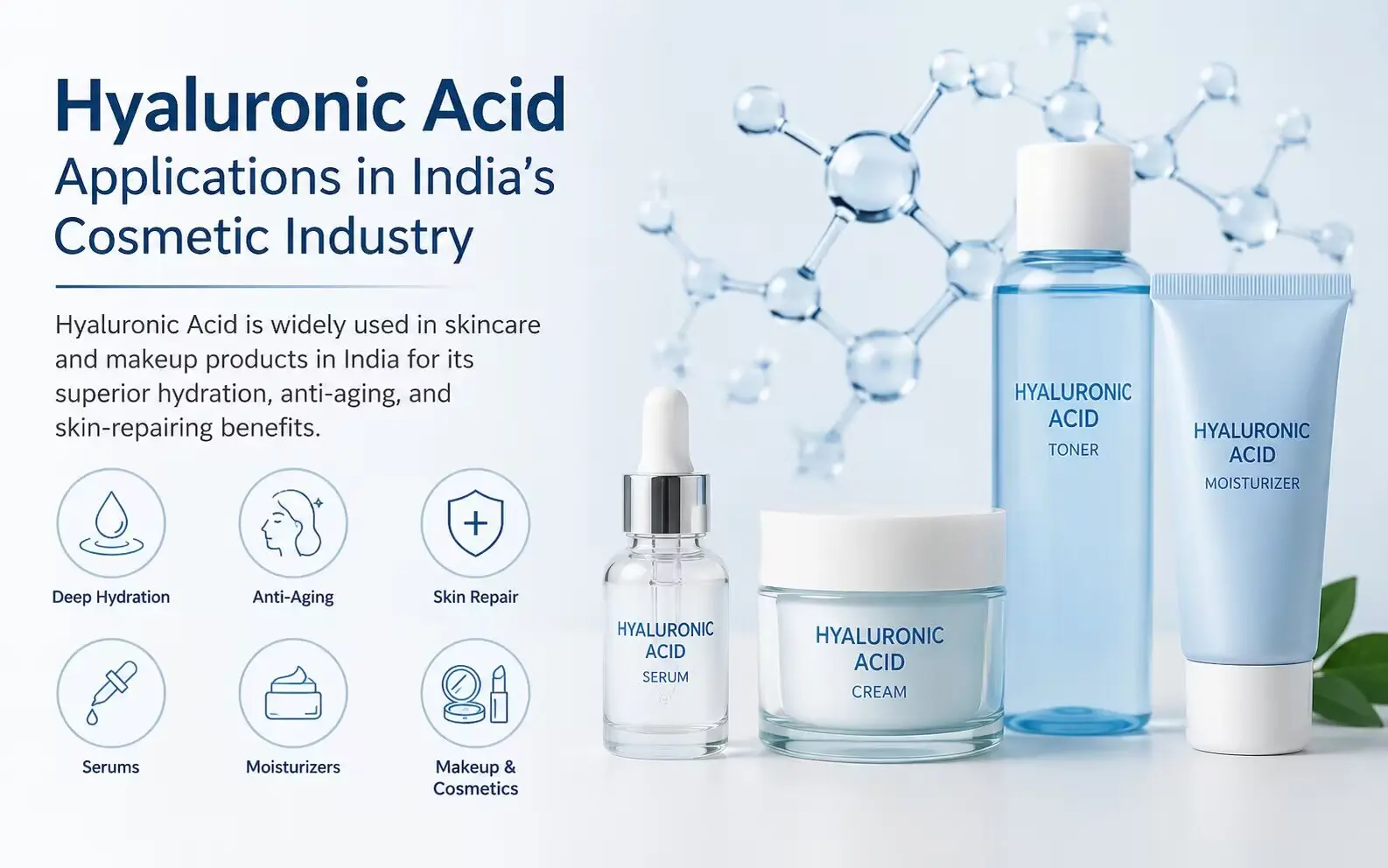
Hyaluronic Acid Applications in Emerging Cosmetic and Functional Food Markets

How dynamic bio-active formulation is creating new market segments in functional RTDs, gummies, and anti-aging topical solutions.

Frequently Asked Questions (FAQ)

Direct answers regarding molecular stability, safety protocols, international shipping, and OEM formulation specs.

What is the shelf life and storage conditions of food-grade Sodium Hyaluronate?
Our food-grade Sodium Hyaluronate has a shelf life of 24 months when stored in original, unopened packaging at a temperature below 20°C in dry conditions. Keeping it away from direct sunlight, oxygen exposure, and moisture preserves its exact molecular weight distribution.
How does WFK Chem ensure batch-to-batch molecular weight consistency?
We use advanced Size Exclusion Chromatography (SEC) and Multi-Angle Light Scattering (MALS) detection on every batch. This allows us to map the precise polydispersity index (PDI) of our Hyaluronic Acid products, ensuring the exact viscosity and physiological behavior required by your product formulation.
Can your Citric Acid Assay 99% be used in organic food processing?
Yes. Our Citric Acid is manufactured via the fermentation of natural corn starch. It complies with organic processing standards across major jurisdictions, including Canadian Organic Standards, USDA Organic, and European organic guidelines, provided that non-organic citric acid is permitted under specific category limitations.
What are the import procedures and lead times for shipments to Toronto/Canada?
Shipments to Toronto are coordinated via CIF, FOB, or DDP terms. Average ocean freight transit from Shanghai port to the Port of Montreal or Port of Vancouver (with intermodal rail to Toronto) is approximately 25-35 days. All products arrive with certified customs documentation, SDS, COA, and CFIA-compliant labeling.
Does your company provide custom premixes or ingredient ratios?
Absolutely. We specialize in customized ingredients, blending active vitamins (such as Vitamin C and Vitamin A) with targeted molecular weight Hyaluronic Acid or Chondroitin Sulfate to supply your production line with custom-designed functional blends.

Trusted Supply Partners

Connecting GMP-certified chemical manufacturing factories with international food, beverage, and pharma operations.

Global Supply Partner 1 Global Supply Partner 2 Global Supply Partner 3 Global Supply Partner 4 Global Supply Partner 5