The Science & Procurement of Modern Dermatological Formulations
A comprehensive research-based whitepaper outlining the biological compatibility, synthesis methods, global trade mechanics, and production workflows of Sodium Hyaluronate (Hyaluronic Acid) combined with Retinoid protocols.
1. The Molecular Synergy of Hyaluronic Acid & Tretinoin
In contemporary clinical dermatology, the concomitant formulation of Tretinoin (All-Trans Retinoic Acid - ATRA) and Sodium Hyaluronate (Hyaluronic Acid / HA) represents the gold standard for treating follicular hyperkeratinization, acne vulgaris, and photoaging. However, Tretinoin introduces a significant pharmacological challenge: it accelerates cellular turnover via binding to Retinoic Acid Receptors (RAR), which downregulates desmosome cohesion and transiently compromises the stratum corneum. This barrier disruption results in high levels of Transepidermal Water Loss (TEWL), manifest as "retinoid dermatitis" characterized by erythema, desquamation, and localized pruritus.
Intercellular Hydration Buffer
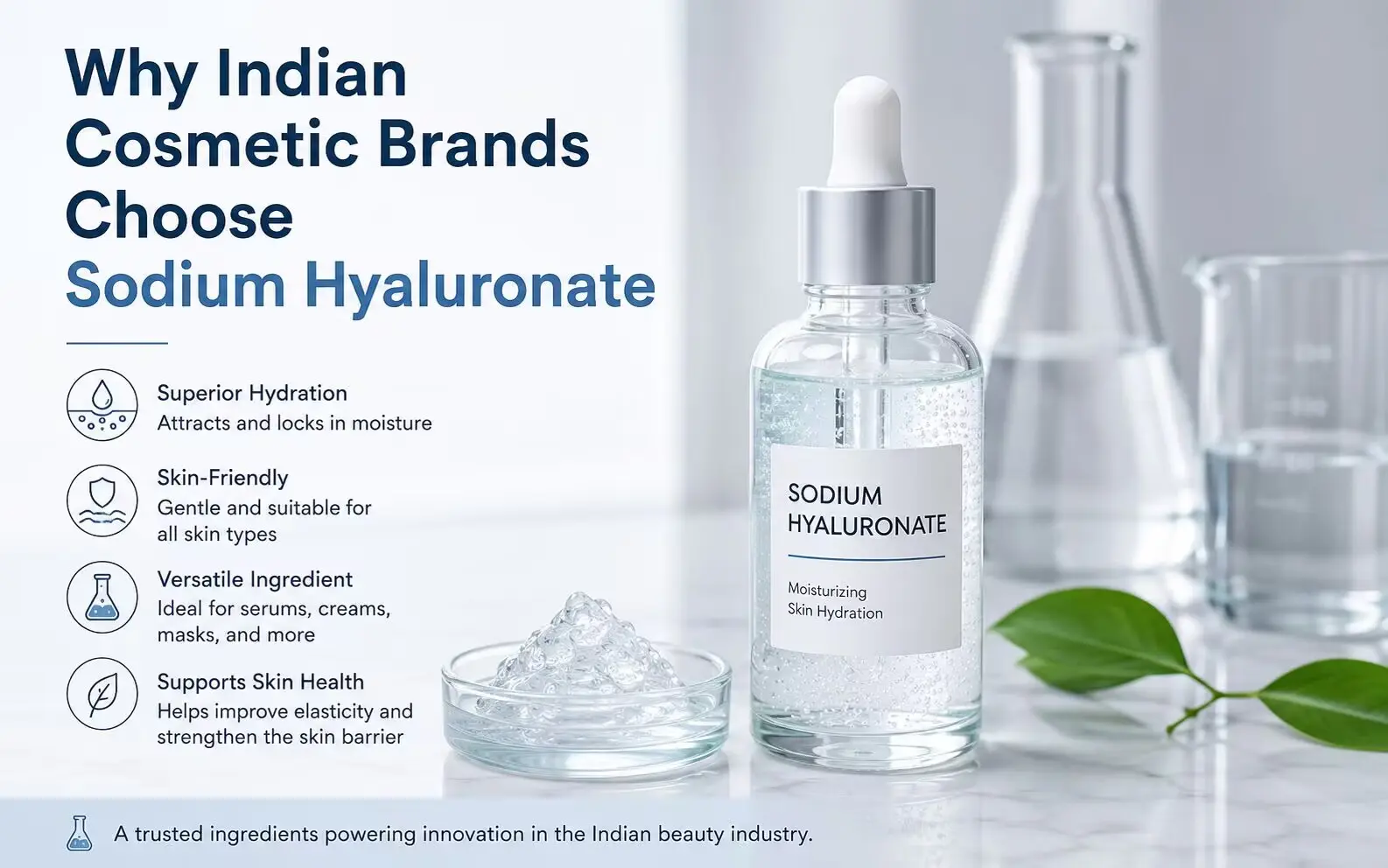
When paired alongside a multi-molecular weight Hyaluronic Acid framework, the trans-epidermal barrier receives an immediate, non-occlusive hydration cushion. High-molecular weight HA forms a breathable viscoelastic film that traps ambient moisture, while low-molecular-weight or hydrolyzed HA penetrates the intercellular spaces, reinforcing the tight junctions (Claudin-1 and Occludin) to prevent cellular dehydration.
By leveraging the biological pathways of both compounds, manufacturers can engineer topical skincare preparations that achieve maximum compliance and therapeutic efficacy. While Tretinoin works at the transcriptional level within the nucleus to increase collagen expression, Hyaluronic Acid maintains the extracellular matrix (ECM) homeostasis, ensuring that fibroblasts are suspended in an optimally hydrated physical state to produce structural proteins.
2. Global B2B Supply Chain Dynamics
The global marketplace for Hyaluronic Acid has shifted decisively toward sustainable and scalable microbial fermentation. Historically sourced from avian extraction (rooster combs), modern regulatory frameworks—specifically in the EU and North America—strongly prioritize vegan-certified, non-animal-derived raw materials to mitigate the risk of Transmissible Spongiform Encephalopathies (TSE) and avian pathogens.
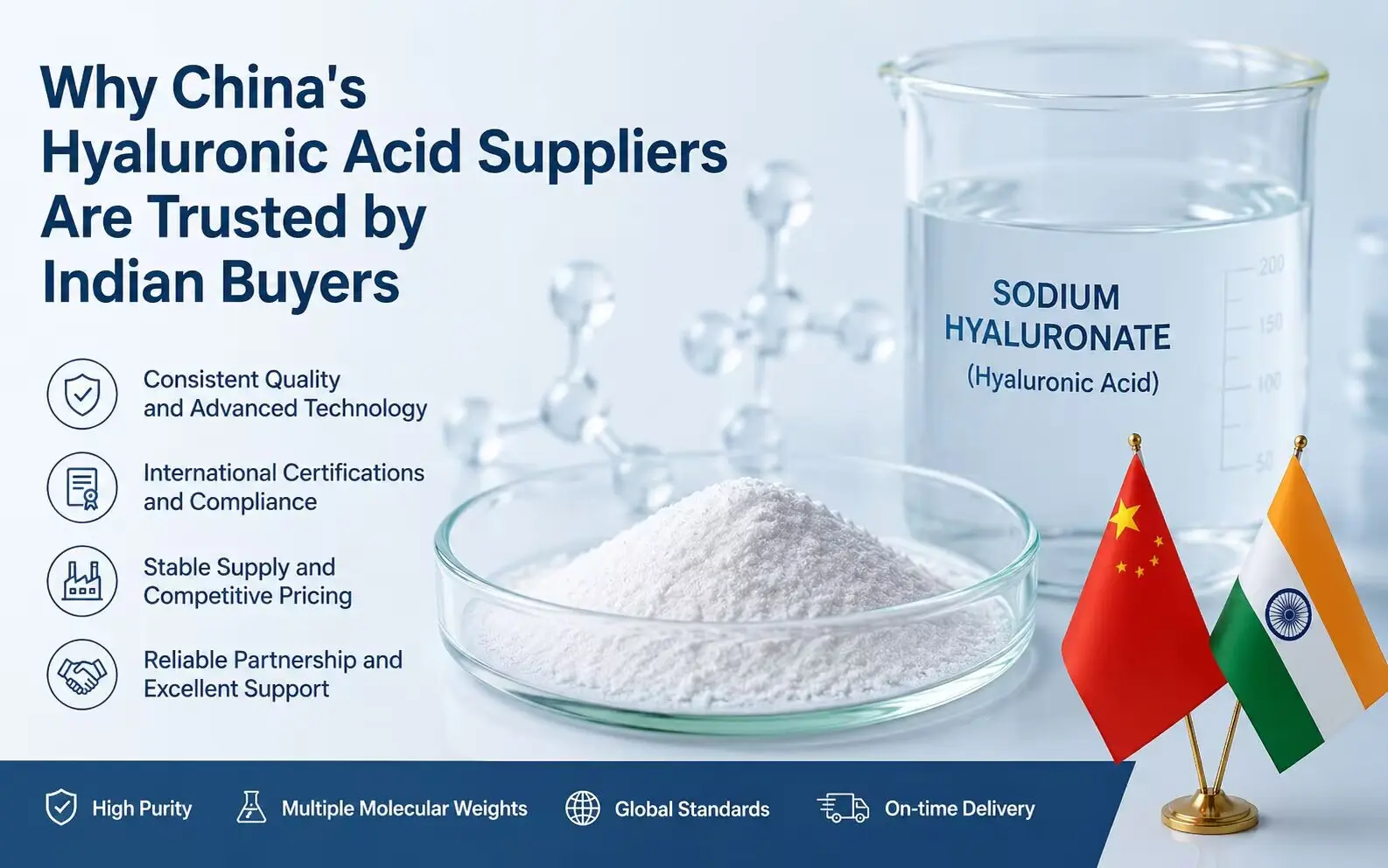
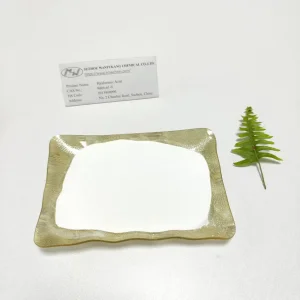
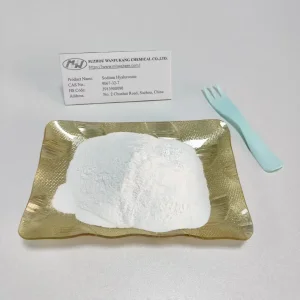
China remains the preeminent exporter, accounting for over 70% of the worldwide bulk supply of Sodium Hyaluronate, fueled by advanced bioreactor scaling in industrial hubs such as Shandong and Jiangsu. Leading manufacturers, including Suzhou Wanfukang Chemical Co., Ltd, supply specialized grades tailored to strict industry niches:
- Ophthalmic & Injection Grade: Characterized by ultra-low bacterial endotoxins (< 0.05 IU/mg) and optimized viscosity profiles for intra-articular injections and dry-eye solutions.
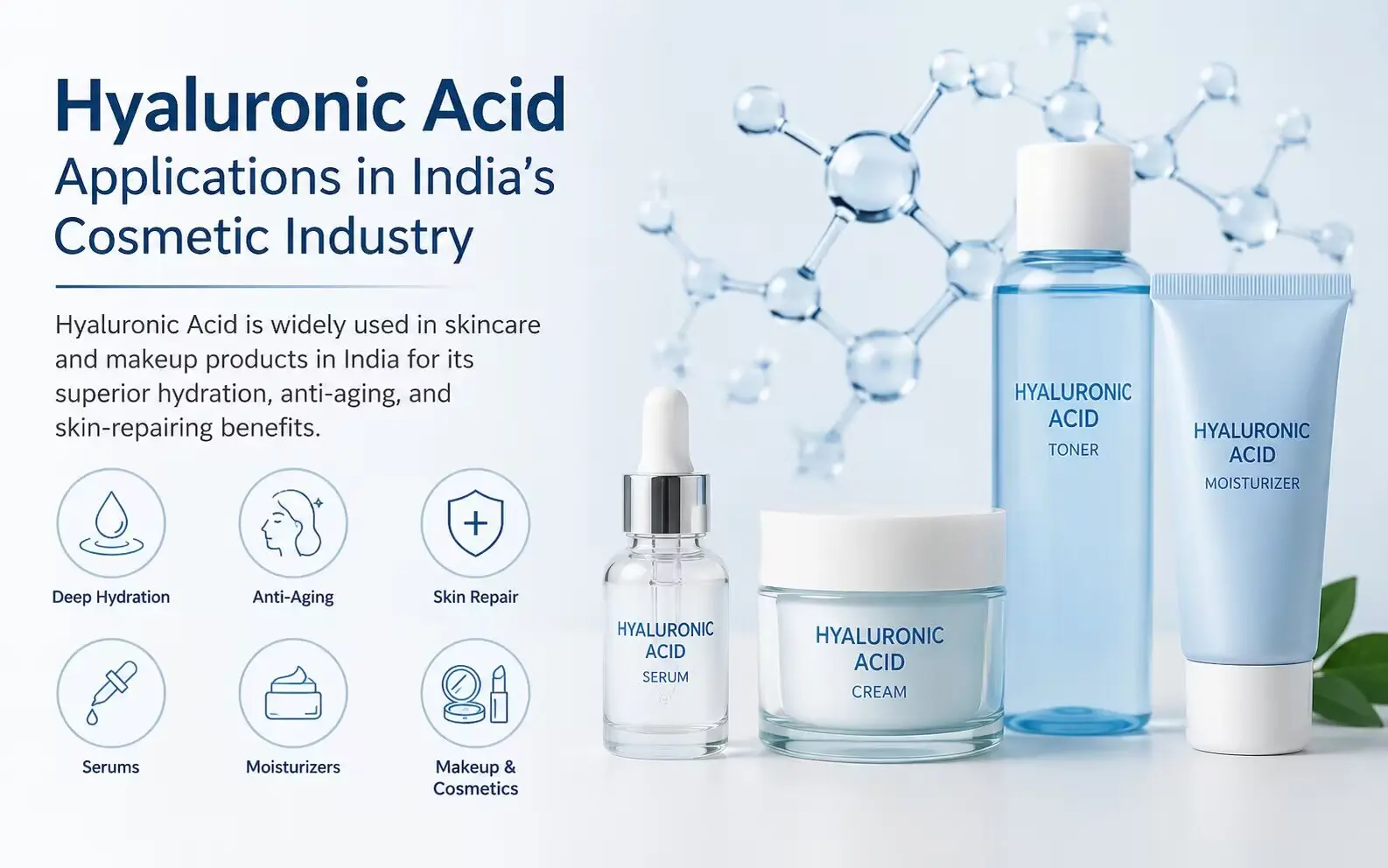
- Cosmetic Grade: Offered in varying Dalton weights (from Super Low Molecular Weight at < 10 kDa up to High Molecular Weight at > 1.8 MDa) for targeted cosmetic delivery systems.
- Nutraceutical/Food Grade: Formulated for high bioavailability to promote systemic hydration and joint health through oral supplementation.
3. Macro Industry Formulation Solutions
Brands seeking to enter the premium clinical skincare vertical face significant formulation challenges. Tretinoin is notoriously hydrophobic, chemically unstable, and highly susceptible to photo-isomerization when exposed to UV radiation. Traditional suspension methods often fail, leading to localized crystallization and uneven dosage distribution.
To solve this, advanced manufacturers adopt a multi-phase stabilization solution:
- Liposomal Encapsulation: Enveloping Tretinoin within a lipid bilayer shields the active molecule from oxidative stress and ambient light while improving delivery down through the lipidic pathways of the skin.
- Hydro-gel Crosslinking: Utilizing cross-linked Sodium Hyaluronate (Sodium Hyaluronate Crosspolymer) creates an elastic 3D matrix. This network suspends encapsulated retinoids evenly without requiring heavy oils or silicones that might exacerbate acneic conditions.
- Aqueous Vehicle Optimization: Offering pre-solubilized 1% Sodium Hyaluronate aqueous solutions to enable cosmetic chemists to easily incorporate hydration phases into emulsion lines without requiring high-shear dust extraction setups.
4. Technical Roadmap & Quality Controls
At the core of premium HA production lies the precision control of the fermentation pathway using Streptococcus zooepidemicus or genetically modified non-pathogenic bacillus strains. By tuning glucose feeding speeds, aeration rates, and temperature vectors within the bioreactor, the molecular weight distribution (polydispersity index) can be tightly managed.
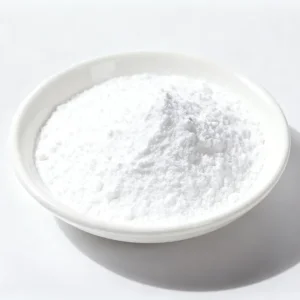
Post-fermentation processes include multi-stage filtration to eliminate cellular debris, followed by alcohol precipitation, membrane diafiltration, and vacuum drying under cleanroom conditions (Class 100 / ISO 5 equivalent). The resulting dry powder must yield an assay value of at least 98.0% to 102.0% pure Sodium Hyaluronate on a dry basis.
Core Molecular Weight Classifications
- High Molecular Weight (HMW-HA): > 1.5 MDa. Forms film barrier, controls TEWL, repairs skin surface.
- Medium Molecular Weight (MMW-HA): 1.0 - 1.5 MDa. Promotes long-term tissue hydration and cell proliferation.
- Oligo & Low Molecular Weight (LMW-HA): < 100 kDa. Deeply penetrates, stimulates endogenous HA production, reduces inflammatory cytokines.
5. Regulatory, Compliance & Certification Standards
B2B procurement programs must satisfy multi-jurisdictional compliance protocols before integration. For European Union markets, compliance with the European Cosmetics Regulation (EC No 1223/2009) and the registration of the manufacturing facility with the European Federation for Cosmetic Ingredients (EFfCI) GMP standard is required.
For nutraceutical and clinical applications, suppliers must verify their operations through:
- CEP/COS (Certificate of Suitability) for pharmaceutical grades crossing Schengen borders.
- US FDA Drug Master File (DMF) registration numbers for therapeutic applications.
- Halal & Kosher batch-level certifications, ensuring complete exclusion of animal-based residues during the nitrogen purification and fermentation process.