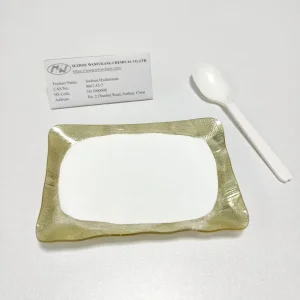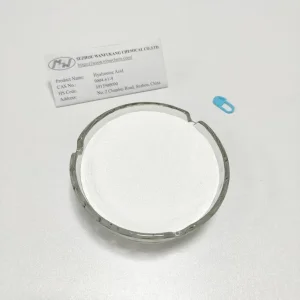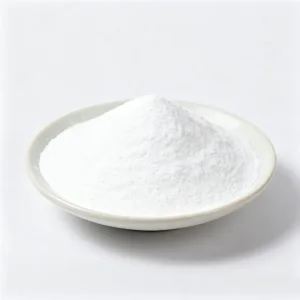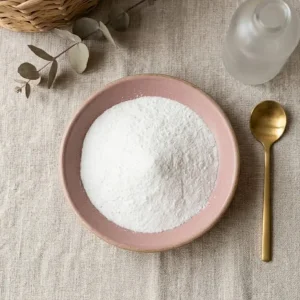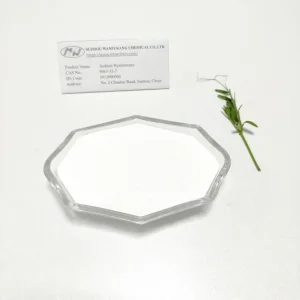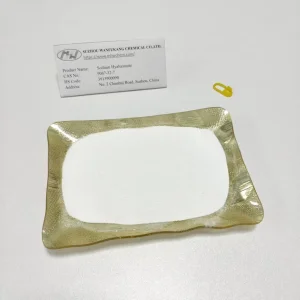
Reliable raw materials with industry-certified purity and quality assurances from Suzhou Wanfukang Chemical Co., Ltd.
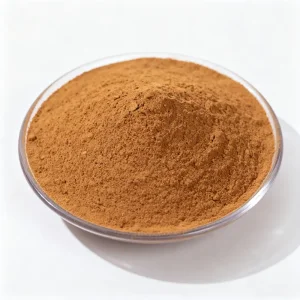
In the modern, highly demanding personal care and dermatological industries, the integration of L-Ascorbic Acid (Vitamin C) and Sodium Hyaluronate (Hyaluronic Acid) represents one of the most commercially validated ingredient synergies. While Vitamin C acts as a potent antioxidant that neutralizes free radicals, stimulates pro-collagen synthesis, and suppresses melanogenesis, Hyaluronic Acid provides unmatched humectant properties, drawing up to 1,000 times its molecular weight in water to the skin's extracellular matrix.
Globally, the market for anti-aging and hydration serums has experienced a monumental shift toward clean, dermatologically backed raw ingredients. B2B buyers—ranging from multinational personal care conglomerates to independent indie cosmetics brands—require reliable bulk suppliers capable of delivering highly stable, non-oxidizing Vitamin C formulations (such as Sodium Ascorbyl Phosphate or 3-O-Ethyl Ascorbic Acid) combined with optimized molecular weight Hyaluronic Acid.
SEO Insight & Intent: High-performance formulations rely heavily on the molecular structure of the raw inputs. Suzhou Wanfukang Chemical Co., Ltd. addresses this need by supplying pure active powders that retain bio-activity when formulated together, minimizing common issues such as formulation separation and rapid oxidation.
A common challenge for global formulators is the physical and chemical stabilization of Vitamin C in aqueous mediums, especially when combined with high-viscosity Hyaluronic Acid solutions. Vitamin C is highly sensitive to light, air, and temperature, leading to oxidation into dehydroascorbic acid, which discolors formulations.
By sourcing customized molecular fractions from a single-source GMP manufacturer like Suzhou Wanfukang Chemical, cosmetic chemists can formulate multi-depth hydration serums that stabilize active Vitamin C derivatives, ensuring high consumer satisfaction and longer shelf-life.
Reliable B2B chemical distribution and raw material manufacturing capability scale.
China stands as the global epicentre for the production and refinement of biopolymer raw materials, notably Sodium Hyaluronate. Due to advanced, large-scale microbial fermentation technology using non-animal media (such as streptococcus equi subsp. zooepidemicus fermentation), Chinese manufacturers produce extremely high-purity hyaluronic acid at a highly optimized cost-to-performance ratio.
Suzhou Wanfukang Chemical Co., Ltd. leverages this national industrial cluster to provide global buyers with significant logistics and pricing advantages. With state-of-the-art purification and sterilization processes, the bacterial endotoxin level in our injectable grades is controlled far below industry standards, making them highly sought after by medical aesthetics clinics and pharmaceutical companies across North America, Europe, and the APAC region.
Furthermore, our agility in custom molecular weight sizing, packaging customization, and rapid lead times enables brands to reduce inventory carrying costs and scale production quickly to meet shifting market trends.

When purchasing Vitamin C and Hyaluronic Acid raw materials, B2B procurement managers must examine analytical metrics beyond the base price. Below is the technical compliance checklist required for premium formulation:
| Parameter | Standard Specification | Industrial Relevance |
|---|---|---|
| Purity / Assay | ≥ 98.0% (HPLC) | Ensures minimal raw material impurities, preventing skin irritation. |
| Heavy Metals | ≤ 10 ppm | Crucial for global regulatory clearance (FDA, REACH, CFDA). |
| Endotoxin (Injectable Grade) | ≤ 0.05 IU/mg | Prevents inflammatory responses in dermal filler formulations. |
| Molecular Weight Range | Customizable (5 kDa - 3.0 MDa) | Determines skin penetration capacity and product texture. |
Market trends and sourcing strategies from global supply chain perspectives.
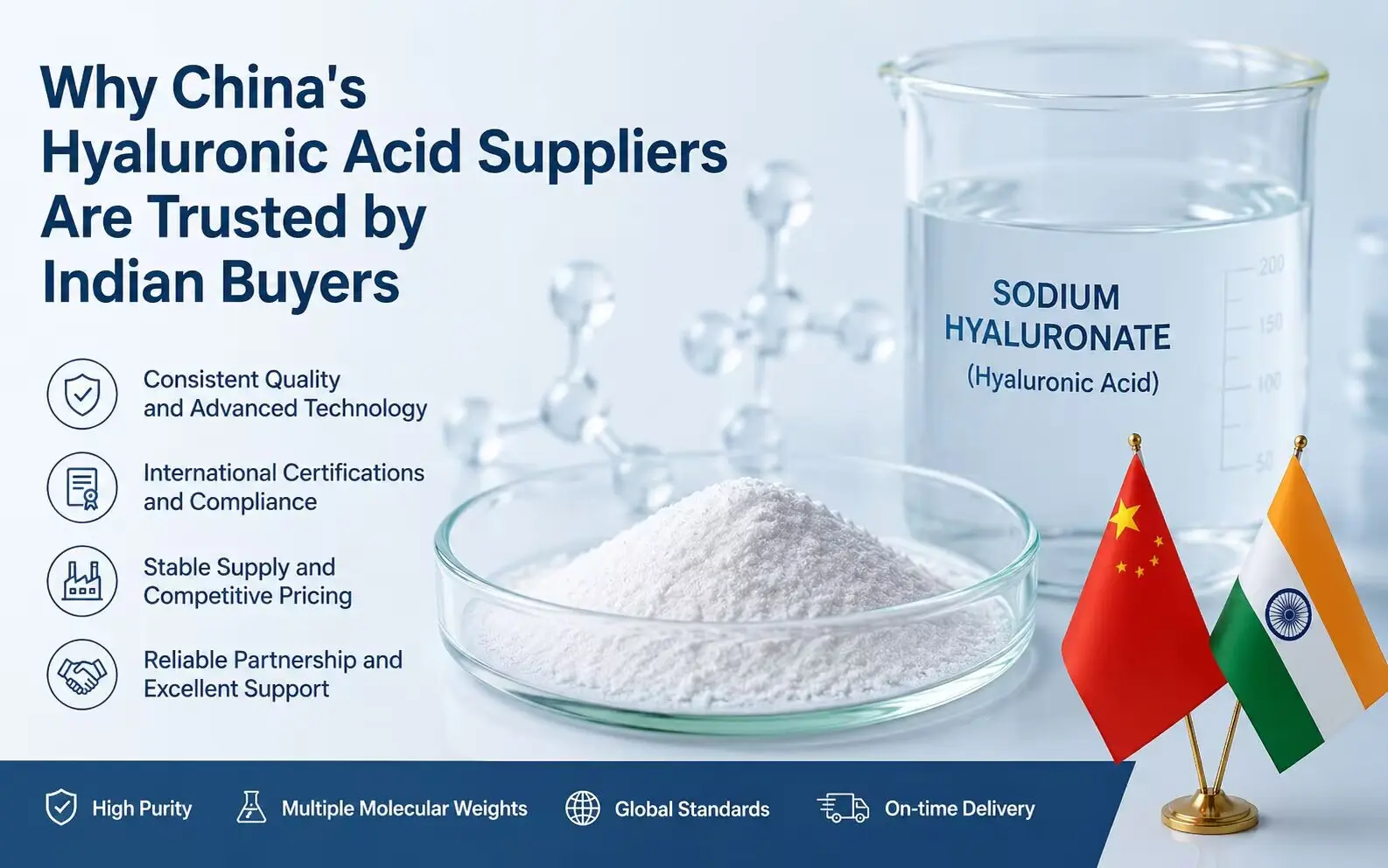
Explore the rapid growth of India's cosmetic and pharmaceutical sectors and the reasons behind the rising demand for high-quality Chinese imports.
Read Article →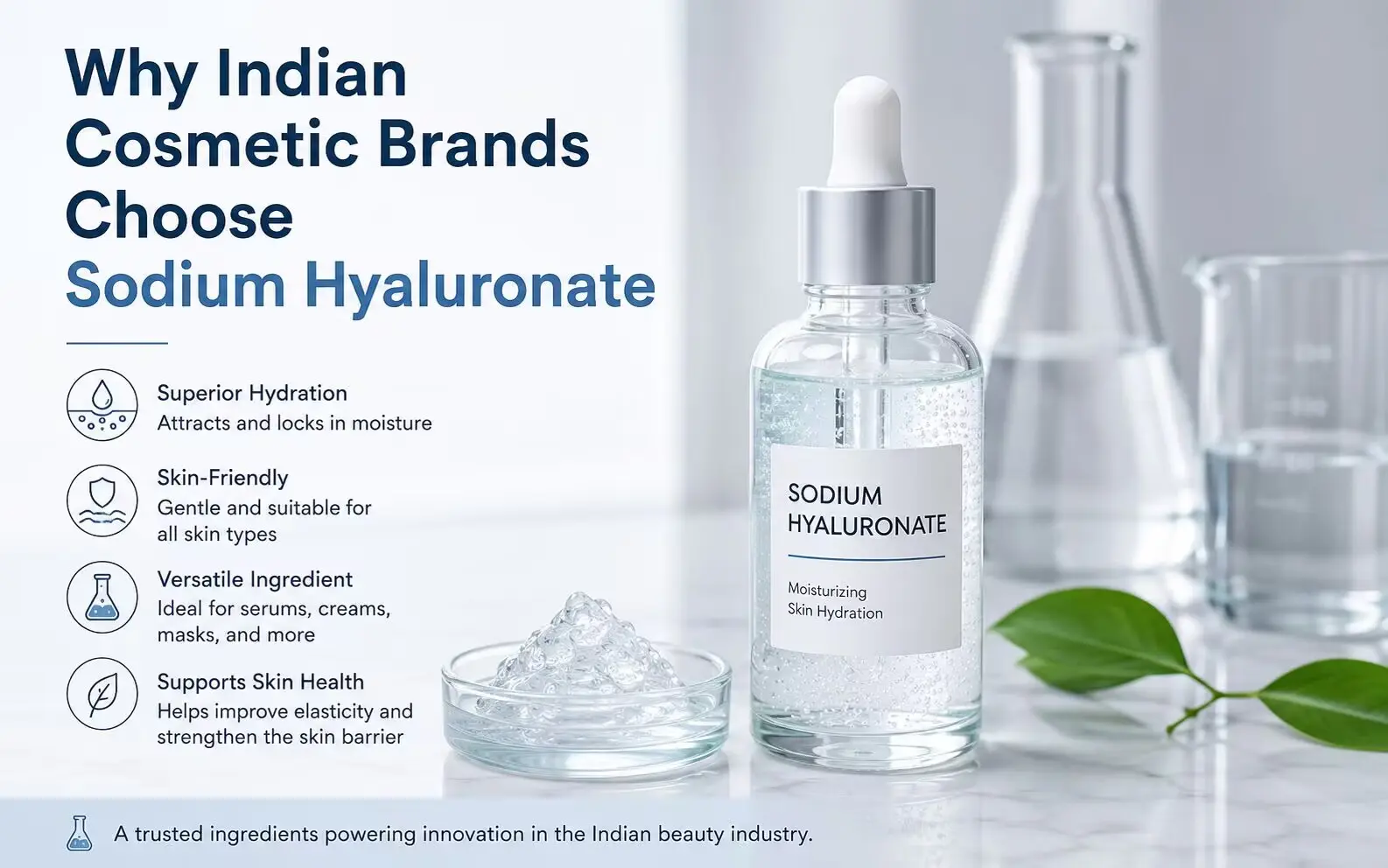
Detailing the rise in consumer demand for targeted skin therapies and active ingredient claims in emerging cosmetic markets like India.
Read Article →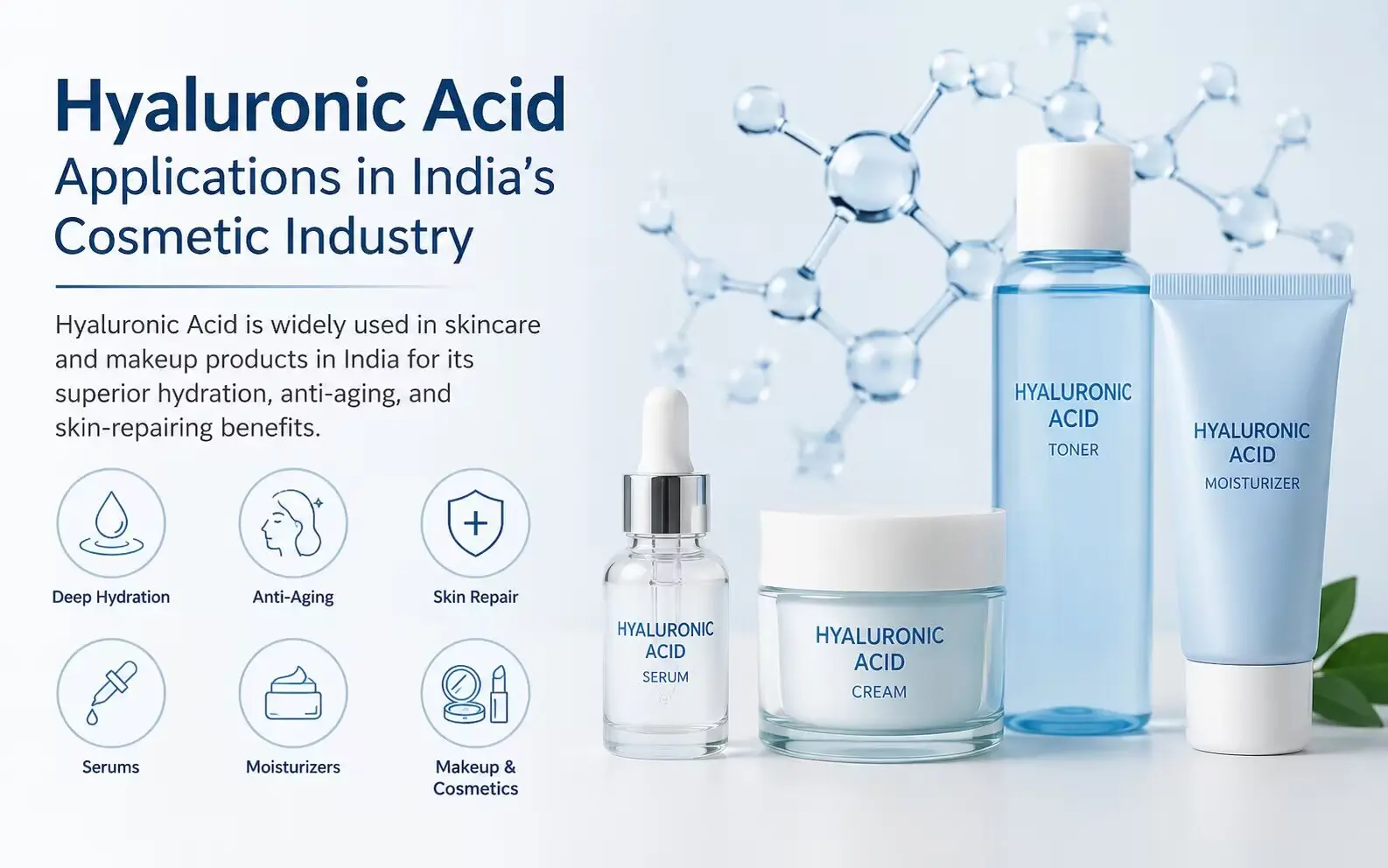
From hydration gels to active makeup formulations, understand how cosmetic formulators are incorporating Sodium Hyaluronate effectively.
Read Article →Providing technical answers for procurement specialists and cosmetic chemists.
Premium functional and food-grade raw materials to complete your product formulations.
Sustained raw material distribution relationships across global logistics grids.