China Vitamin C and Hyaluronic Acid Cream Suppliers & Products

A Professional Whitepaper on Global Procurement Standards, Synergy Formulations, and China Factory 4.0 Logistics Systems.

Featured Ingredients & Formulation Products

Premium grade Sodium Hyaluronate powders and specialized formulations for medical aesthetics, cosmetic application, and joint health supplements.
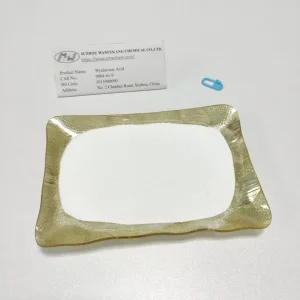
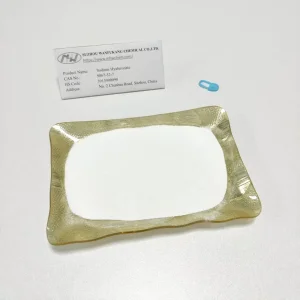
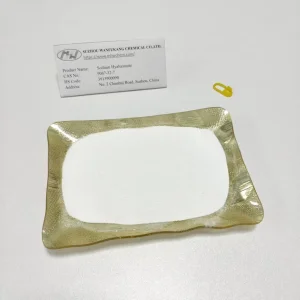
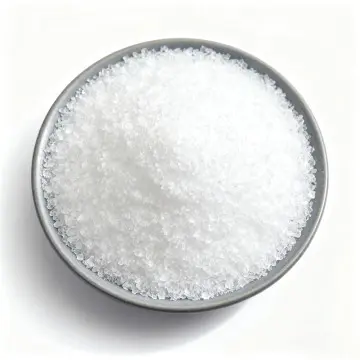
Famous Food Grade Hyaluronic Acid

Famous Food Grade Hyaluronic Acid White Powder for Joint Health Products, Exporter

Learn More
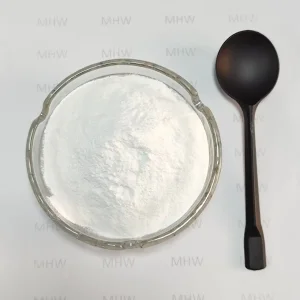
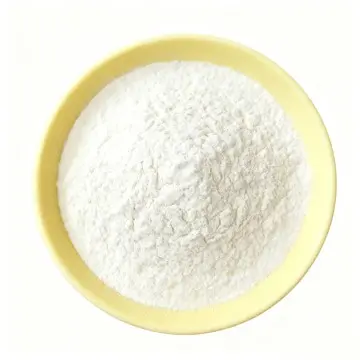
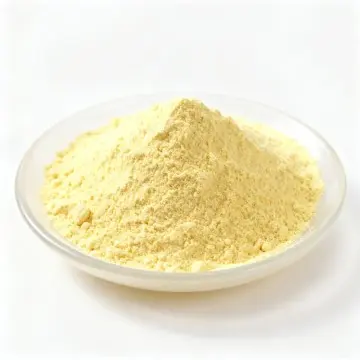
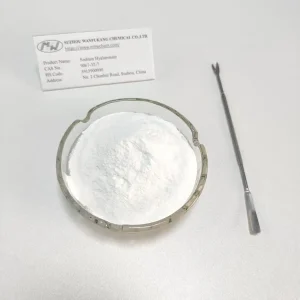
High-Quality Food Grade Sodium Hyaluronate

High-Quality High Purity Food Grade Sodium Hyaluronate for Joint Health Supplier, Exporter

Learn More
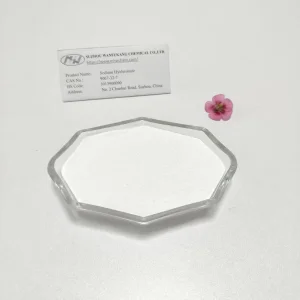
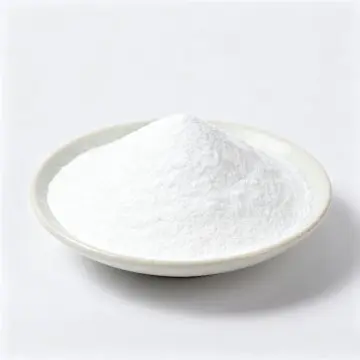
Cosmetic Formulation CAS No. 9067-32-7

High-Quality Sodium Hyaluronate Cosmetic Formulation CAS No. 9067-32-7 Manufacturer, Service

Learn More
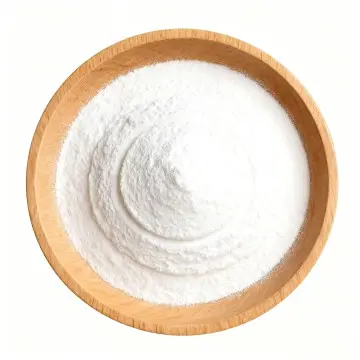
Ultra Low Molecular Weight Hyaluronic Acid

Buy Ultra Low Molecular Weight Cosmetic Grade Hyaluronic Acid 3–5 kDa Manufacturer, Supplier

Learn More
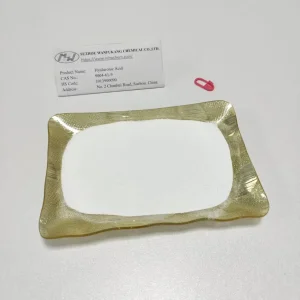
Injection Grade Hyaluronic Acid Powder

China Injection Grade Hyaluronic Acid Powder Microbial Fermentation Production Products, Factory

Learn More
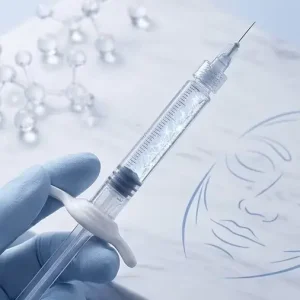
Hyaluronic Acid Lip Filler

Famous Lip Augmentation Filler Based on Hyaluronic Acid Gel Manufacturers, Exporter

Learn More
Sodium Hyaluronate Contact Lens Solution

China Eye Drop Grade Sodium Hyaluronate for Contact Lens Solution Product, Exporters

Learn More
Sodium Hyaluronate Powder Anti-wrinkle

Best Cosmetic Ingredient Sodium Hyaluronate Powder Anti-wrinkle Manufacturer, Products

Learn More

Understanding the Science: The Synergy of Vitamin C and Hyaluronic Acid

In modern cosmeceutical sciences, formulating high-performance anti-aging topicals demands a delicate balance of cellular hydration and cellular repair. A classic example of active synergy is the combination of Vitamin C (L-Ascorbic Acid or its stable derivatives) and Hyaluronic Acid (HA / Sodium Hyaluronate). When combined in an emulsion or cream base, these two ingredients address different levels of skin physiology:

  • Vitamin C (L-Ascorbic Acid): Operates primarily as a cellular antioxidant. It neutralizes reactive oxygen species (ROS) induced by ultraviolet radiation, inhibits melanogenesis by down-regulating tyrosinase activity, and serves as an essential cofactor for prolyl hydroxylase and lysyl hydroxylase, the enzymes responsible for stabilizing the collagen triple helix.
  • Hyaluronic Acid: A high-molecular-weight glycosaminoglycan that functions as a structural component of the extracellular matrix (ECM). Its primary mechanical property is humectancy—retaining up to 1,000 times its dry weight in water molecules via hydrogen bonding. This instant plumping of the stratum corneum smooths fine lines and restores epidermal barrier function.
E-E-A-T Formulation Principle: Developing a stable "Vitamin C + Hyaluronic Acid" cream requires addressing pH incompatibilities. While L-Ascorbic Acid requires a low pH (<3.5) for optimal transdermal absorption, Hyaluronic Acid can degrade in highly acidic, aqueous environments. Top-tier Chinese chemical manufacturers solve this issue by using stabilized Vitamin C derivatives like Sodium Ascorbyl Phosphate (SAP), Magnesium Ascorbyl Phosphate (MAP), or 3-O-Ethyl Ascorbic Acid, which remain highly stable at pH 5.5 to 6.5, the ideal range for Hyaluronic Acid integrity.

Global Industry Trends: Advanced Molecular Customization

The global skin-health sector has transitioned from generic skincare solutions to precise, targeted formulations. Buyers no longer request basic "Sodium Hyaluronate"; instead, they seek specific molecular weight distributions optimized for precise clinical functions.

Ultra-Low Molecular Weight (3–5 kDa)

Capable of penetrating the deepest layers of the stratum corneum. It triggers endogenous HA synthesis and accelerates cellular repair pathways, making it ideal for deep wrinkle reduction serums.

Cross-Linked Hyaluronic Acid

Forms a stable, three-dimensional physical gel barrier on the skin. It resists enzymatic degradation by hyaluronidase, providing long-lasting hydration and making it highly suitable for medical aesthetic fillers.

Non-Animal Source Fermentation

Derived via the microbial fermentation of Streptococcus zooepidemicus on vegetable substrates. This process yields raw material that is vegan, non-GMO, and free from animal-derived pathogens.

Additionally, the rise of "Ingestible Beauty" (nutricosmetics) has opened new avenues for food-grade HA and Vitamin C formulations. Supplement manufacturers are producing functional gummies and oral liquids that combine food-grade sodium hyaluronate with ascorbic acid to support joint lubrication and skin elasticity from within.

Our Product Series Portfolio

Suzhou Wanfukang Chemical Co., Ltd. specializes in the research, development, and export of cosmetic, food, and functional ingredients.
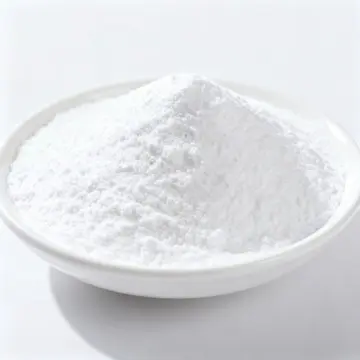
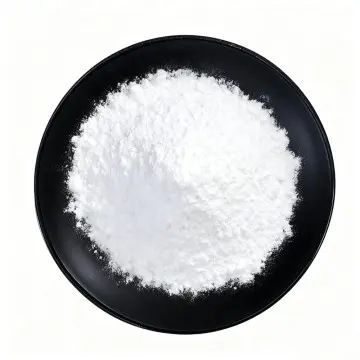
Cosmetic Grade Hyaluronic Acid

Cosmetic Grade Hyaluronic Acid Assay 98% Intense Moisturizing

View Details
High Assay Niacinamide Powder

High Assay Niacinamide Powder Skin Whitening

View Details
High Quality Arbutin

High Quality Arbutin Whitening Active Ingredient

View Details
Coenzyme Q10

Coenzyme Q10 Maintain Heart Health

View Details
Food Acidulant Citric Acid

Food Acidulant Citric Acid Assay 99%

View Details
Vitamin A Powder

Vitamin A Powder Maintain Vision Health

View Details
Chondroitin Sulfate

Chondroitin Sulfate Food Supplement Ingredient Maintain Joint Health

View Details
Vitamin C Food Additive

Vitamin C Food Additive Assay Above 99%

View Details

Global B2B Procurement Needs & Regulatory Compliance

B2B buyers, such as formulation chemists, brand procurement managers, and pharmaceutical compliance officers, face challenges when sourcing Vitamin C and Hyaluronic Acid ingredients. High-performance cosmetics require raw materials that meet strict purity standards and align with international regulatory frameworks:

  • Purity & Assay Consistency: Skincare creams require Sodium Hyaluronate with an assay ≥ 98.0% and Vitamin C derivatives with an assay ≥ 99.0%. Trace impurities, such as heavy metals (Pb, As, Hg) and residual proteins, must be kept below strict PPM thresholds to prevent skin sensitization and product discoloration.
  • Microbiological Purity: For eye drops, contact lens solutions, and injection-grade formulations, endotoxin levels are a critical metric. China suppliers offer specialized injection-grade HA with endotoxins < 0.05 IU/mg, processed under ISO Class 5 (Class 100) cleanroom conditions.
  • Regulatory Certification: Global entry requires adherence to compliance standards, including REACH (Europe), FDA/VCRP (USA), CDSCO (India), and cosmetic ingredient registrations in target regions. Sourcing certified organic and vegan raw materials (e.g., COSMOS, ECOCERT) is now a primary requirement for clean beauty brands.

To address these requirements, Suzhou Wanfukang Chemical Co., Ltd. provides comprehensive documentation support, including Certificate of Analysis (COA), Safety Data Sheets (SDS), Technical Data Sheets (TDS), and microbial analysis reports for every production batch.

China Factory 4.0: Supply Chain Resilience & Manufacturing Capacity

Suzhou Wanfukang Chemical Co., Ltd. leverages advanced industrial automation, high-yield bio-fermentation, and robust logistics to serve international B2B clients.

9+
Years of Industry Experience
500+ Tons
Annual Sales & Export Volume
20+
Export Destination Countries
600+
Comprehensive Raw Material Portfolio

China's chemical and bio-fermentation sectors lead the global market by integrating Factory 4.0 automation. Automated fermentation reactors continuously monitor and adjust pH, temperature, dissolved oxygen, and nutrient feed rates. This real-time control system ensures high yield, optimal molecular weight distribution, and consistent batch-to-batch quality.

Logistics Optimization: Located in the Yangtze River Delta industrial hub, Suzhou Wanfukang Chemical utilizes nearby container ports in Shanghai and Ningbo to support efficient ocean freight. For high-priority cosmetic manufacturers in Europe and Central Asia, rail freight options provide reliable overland transit times, ensuring fresh inventory arrives well within shelf-life specifications.

Localized Application Scenarios & Formulation Guides

Formulation demands vary significantly by region and end-user application. Here is how specialized grades of Hyaluronic Acid and Vitamin C are utilized across different target segments:

1. Clinical Dermatology & Post-Procedure Skin Recovery

Following chemical peels, microdermabrasion, or fractional laser treatments, the epidermal barrier is temporarily compromised. Clinical formulations utilize ultra-pure, non-animal-derived Sodium Hyaluronate combined with Magnesium Ascorbyl Phosphate. This combination provides hydration without causing stinging or redness, helping to accelerate barrier repair.

2. Daily Anti-Pollution & Anti-Aging Emulsions

Urban consumers face daily exposure to particulate matter and UV radiation. Anti-pollution creams incorporate medium-molecular-weight HA to create a surface film that helps prevent pollutant adhesion, alongside 3-O-Ethyl Ascorbic Acid to neutralize free radicals throughout the day.

3. Ophthalmology & Optical Contact Solutions

Eye drops and contact lens solutions require high-purity, ophthalmic-grade Sodium Hyaluronate. Its viscoelastic properties mimic natural tear film behavior, offering long-lasting lubrication and relief from dry eyes.

Industry News & Technical Insights

Stay informed with current market trends and analysis on Chinese chemical exports to key global regions.
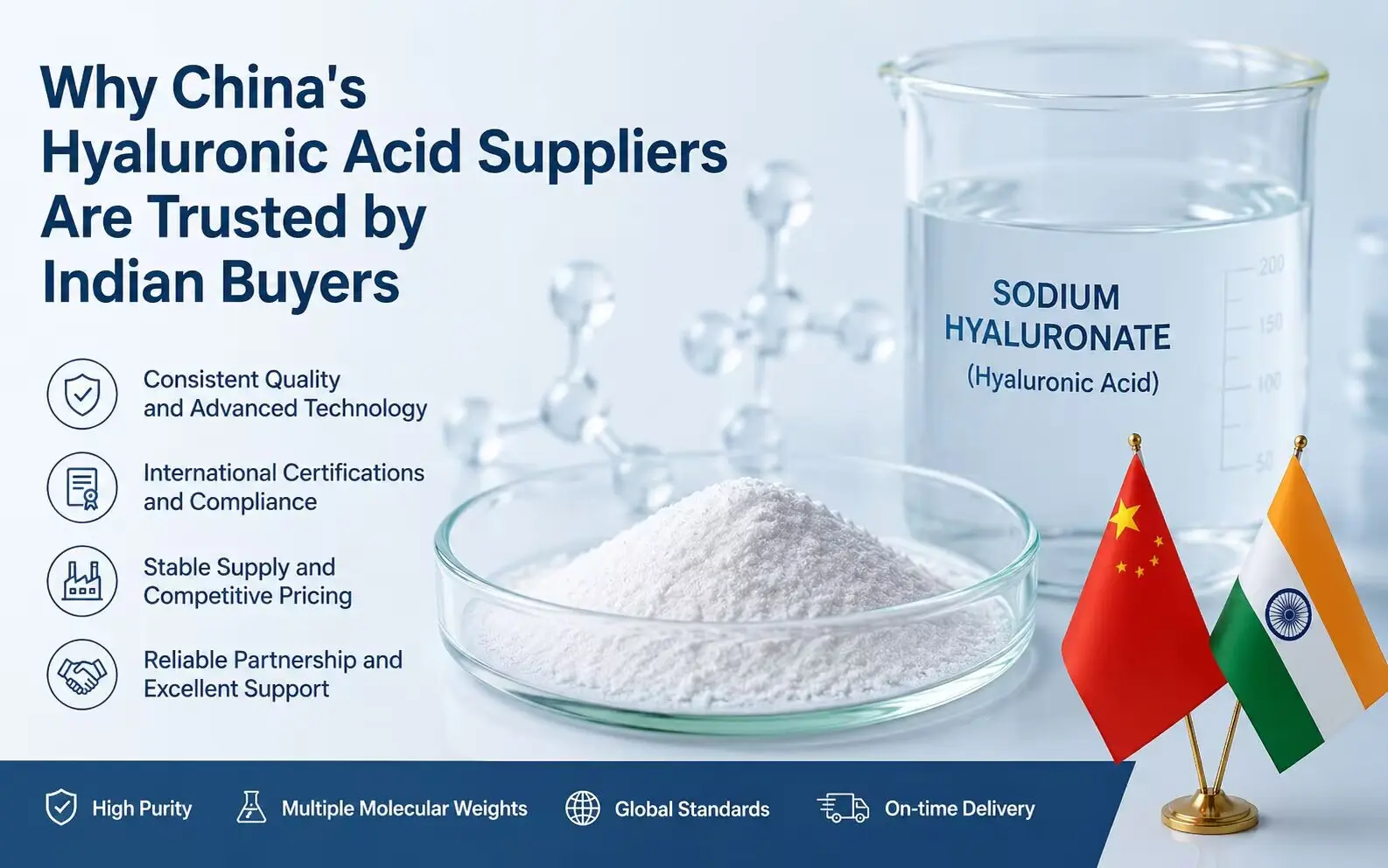
Chinese Hyaluronic Acid Suppliers Indian Buyers

Why Chinese Hyaluronic Acid Suppliers Are Trusted by Indian Buyers

India's cosmetic, pharmaceutical, and health supplement industries continue to see growing demand for hyaluronic acid (HA) and sodium hyaluronate. Indian buyers rely on Chinese suppliers for consistent material quality, competitive pricing, and regulatory compliance.
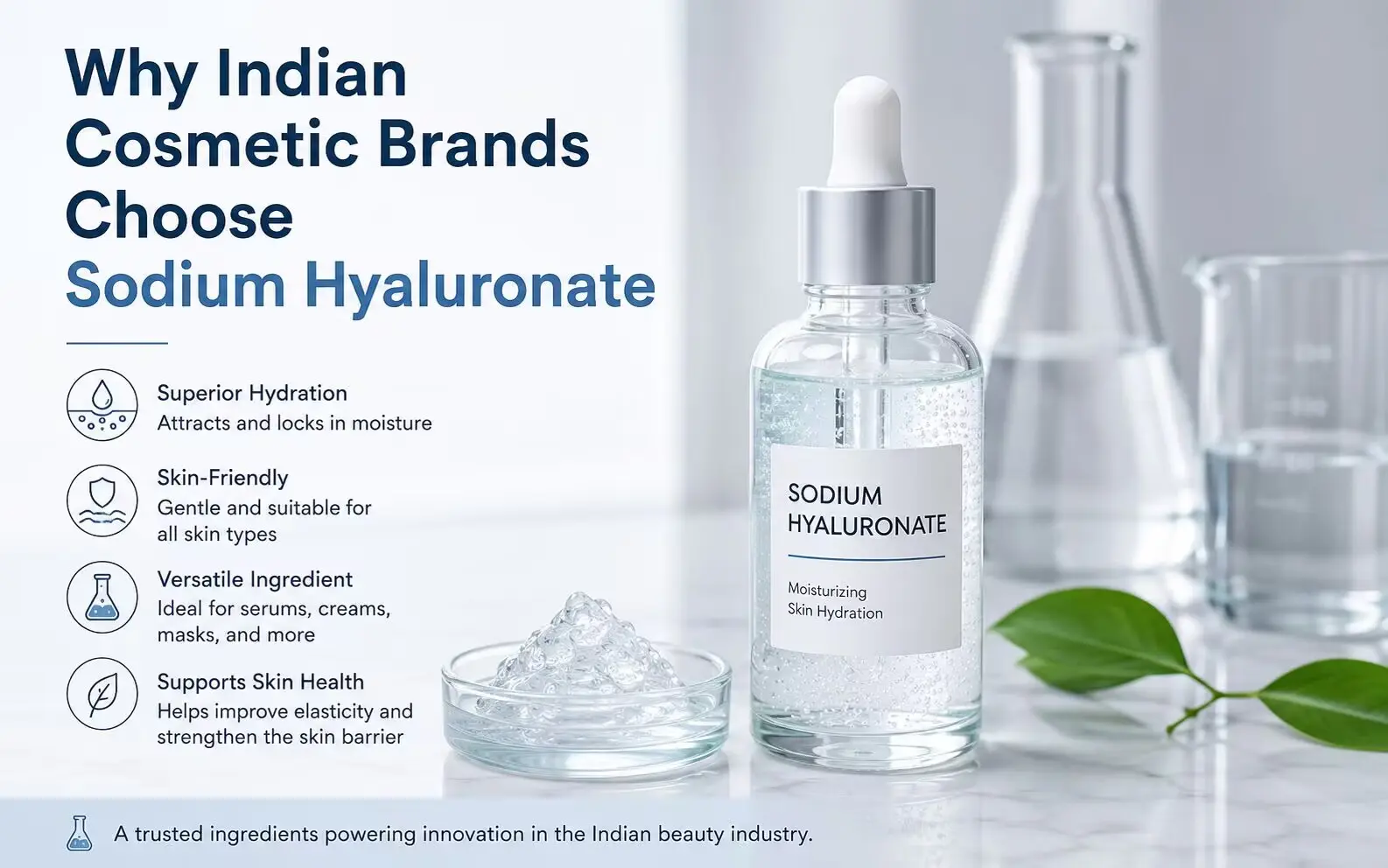
Indian Cosmetic Brands Sodium Hyaluronate

Why Indian Cosmetic Brands Choose Sodium Hyaluronate

Indian personal care brands are incorporating sodium hyaluronate into functional products like serums, creams, and sunscreens to meet consumer demand for reliable hydration and skin barrier support.
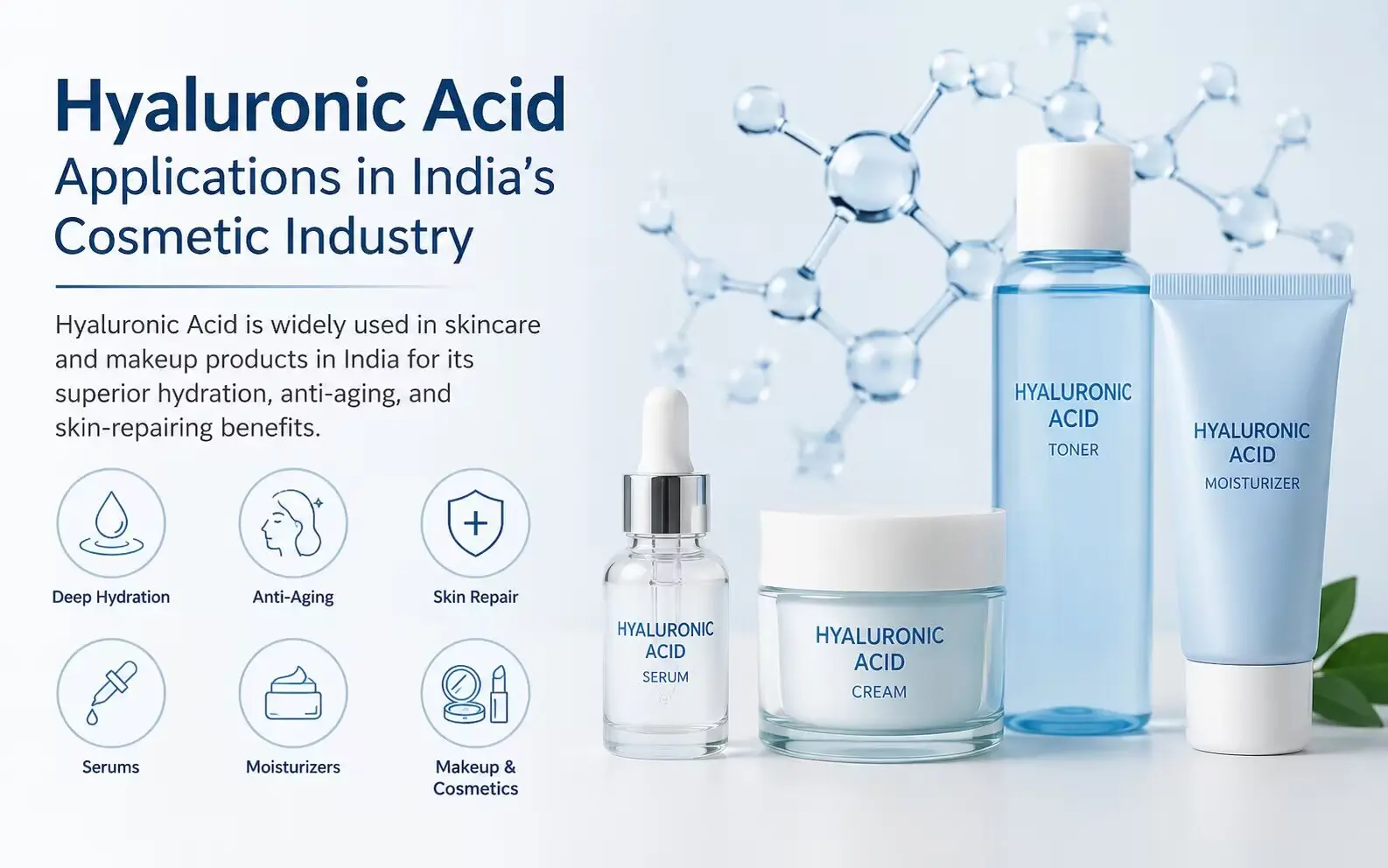
Hyaluronic Acid Applications India

Hyaluronic Acid Applications in India's Cosmetic Industry

From daily skincare emulsions to professional cosmetics, hyaluronic acid remains a foundational active ingredient in the Indian market, valued for its hydration capacity and formulation versatility.

Technical FAQ: B2B Sourcing & Formulation Questions

Expert answers to common questions about sourcing raw materials, stability testing, and formulation compatibility.

Q1: How do you prevent L-Ascorbic Acid oxidation in water-based Hyaluronic Acid creams?
A1: L-Ascorbic Acid degrades quickly in the presence of water, light, and oxygen. To stabilize this active in water-rich Hyaluronic Acid emulsions, we recommend substituting pure Ascorbic Acid with stable etherified derivatives, such as 3-O-Ethyl Ascorbic Acid, or using oil-soluble options like Tetrahexyldecyl Ascorbate. You can also utilize micro-encapsulation technologies to isolate the active until application.
Q2: What molecular weight of Sodium Hyaluronate is best for skin barrier repair creams?
A2: A multi-molecular weight strategy yields the best results. High molecular weight HA (1.0–1.8 MDa) forms a protective surface barrier to reduce transepidermal water loss (TEWL), while low molecular weight HA (10–100 kDa) or ultra-low molecular weight HA (3–5 kDa) penetrates deeper to support epidermal hydration and cellular signaling.
Q3: How does microbial fermentation compare to animal-derived sourcing for Hyaluronic Acid?
A3: Microbial fermentation using non-animal substrates (typically corn or wheat) produces a high-purity, vegan-friendly ingredient. It eliminates the risk of animal-borne pathogens, offers consistent batch quality, and aligns with the clean beauty standards required by European and North American regulatory bodies.
Q4: What certifications are available for food-grade and injection-grade HA?
A4: Our manufacturing processes are certified under ISO 9001, ISO 22000, and HACCP for food-grade products. For medical and cosmetic applications, we provide raw materials certified under COSMOS, ECOCERT, HALAL, and KOSHER, alongside complete documentation support including USP/EP monograph analysis.
Q5: What are your shipping and storage guidelines for large volume HA powder?
A5: Hyaluronic Acid powder is highly hygroscopic and should be stored in tightly sealed, double-layer food-grade plastic bags inside fiber drums. Store in a cool, dry place between 2–10°C, protected from light. Under these conditions, the raw material remains stable for up to 24 months.

Sourcing Catalog: Hyaluronic Acid & Formulation Ingredients

Preserving precise product specifications and raw material options for cosmetic, pharmaceutical, and dietary supplement formulations.
Cosmetic Grade Hyaluronic Acid Moisturizing Factor

Famous Cosmetic Grade Hyaluronic Acid Natural Moisturizing Factor Company, Products

Learn More
Injection Grade Hyaluronic Acid Filler Material

Buy Injection Grade Hyaluronic Acid Medical Aesthetic Filler Material Product, Service

Learn More
Low Molecular Weight Hyaluronic Acid Powder

Famous Low Molecular Weight Hyaluronic Acid Powder for Serum Supplier, Products

Learn More
High Assay Sodium Hyaluronate Powder

Famous High Assay Sodium Hyaluronate Powder for Eye Care Products Company, Service

Learn More
High Purity Sodium Hyaluronate Powder

Buy High Purity Sodium Hyaluronate White Powder for Injection Use Manufacturers, Company

Learn More
Cosmetic Grade Hyaluronic Acid 7-10 kDa

China Cosmetic Grade Hyaluronic Acid Ultra Low Molecular Weight 7–10 kDa Manufacturers, Company

Learn More
Edible Safety Grade Hyaluronic Acid

China Edible Safety Grade Hyaluronic Acid White Powder Factories, Service

Learn More
Food Grade Hyaluronic Acid Fermentation Source

Famous Food Grade Hyaluronic Acid Microbial Fermentation Source Manufacturer, Exporters

Learn More

Trusted by Global Brands