Understanding Dietary Hyaluronic Acid: The Scientific Paradigm of Oral Bioavailability
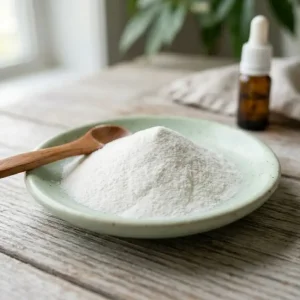
For decades, Hyaluronic Acid (HA) was revered primarily as a topical humectant or an injectable dermal filler. However, the scientific landscape of wellness and preventive anti-aging has experienced a paradigm shift towards nutricosmetics—specifically, **dietary hyaluronic acid**. As a high-molecular-weight glycosaminoglycan naturally distributed throughout the extracellular matrix of human connective tissues, skin, and synovial fluid, dietary HA functions via intestinal lymphatic absorption to systemically replenish endogenous HA levels.
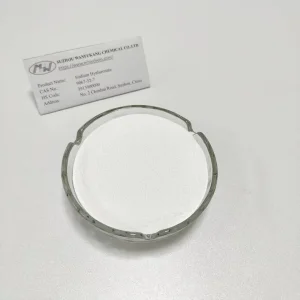
When ingested, dietary sodium hyaluronate undergoes enzymatic cleavage by intestinal bacteria into smaller oligosaccharides. These low molecular weight fragments trigger the activation of toll-like receptor 4 (TLR4) in the gut, signaling fibroblasts and chondrocytes in the peripheral tissues to stimulate *de novo* synthesis of high-molecular-weight hyaluronic acid. This systemic distribution explains why oral supplementation of food-grade HA delivers compound physiological benefits, targeting not just localized cutaneous hydration, but also improving joint mobility by increasing the viscosity of synovial fluids.
- Intestinal Permeability: Optimized fermentation limits polymer size distribution to ensure effective transmucosal absorption.
- Fibroblast Activation: Oral HA signals natural cellular repair mechanisms to produce endogenous collagen and HA.
- Joint Lubrication: Enhances viscoelastic properties of joint synovial fluid, mitigating mechanical abrasion.