Engineered for clinical-grade sun recovery solutions, medical-grade ocular lubricants, and intensive dermatological therapies.
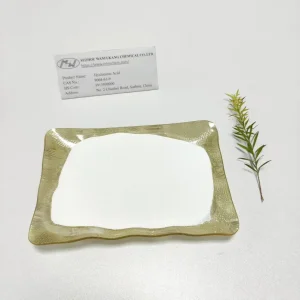
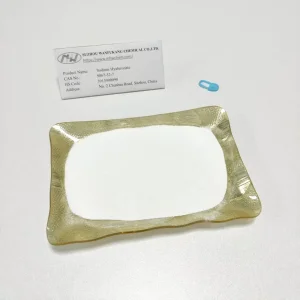
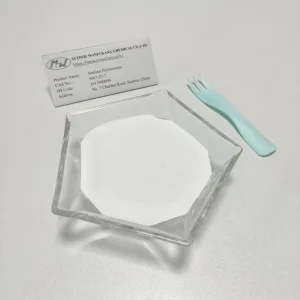
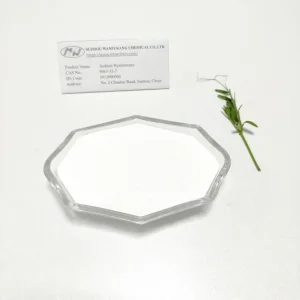
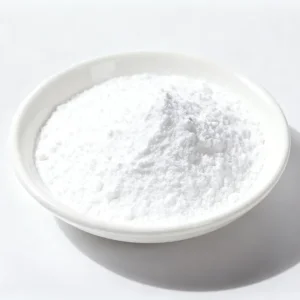
Understanding the cellular pathology of UV-induced injury and the physical intervention of multi-weight sodium hyaluronate.
Acute exposure to ultraviolet (UV) radiation triggers complex biological processes within the epidermis. High-energy UVB photons directly damage DNA, resulting in the creation of cyclobutane pyrimidine dimers (CPDs), cellular apoptosis, and the release of inflammatory cytokines such as interleukin-1 (IL-1), interleukin-6 (IL-6), and tumor necrosis factor-alpha (TNF-α). This molecular surge leads to vasodilation, characterized by erythema, heat, pain, and localized edema.
Simultaneously, UVA exposure creates reactive oxygen species (ROS), depleting the intracellular pool of natural glycosaminoglycans (GAGs). Consequently, the skin barrier becomes compromised, causing a sharp rise in Trans-Epidermal Water Loss (TEWL). Without prompt intervention, this barrier failure prolongs inflammation, delays repair pathways, and increases the risk of desquamation (peeling) and scarring.
Sodium Hyaluronate acts as a natural structural scaffold for skin healing. Utilizing a range of molecular weights creates a targeted, multi-tier recovery response:
Traditional remedies like aloe vera and petrolatum-based gels often fall short. Aloe vera offers temporary relief but lacks sustained hydration and tissue-restructuring capabilities. Petrolatum forms an occlusive seal that traps heat, potentially worsening UV-induced thermal damage.
In contrast, Sodium Hyaluronate is highly biocompatible and can hold up to 1,000 times its weight in water without trapping body heat. It balances moisture levels, calms inflammation, and accelerates dermal repair, making it the ideal active ingredient for advanced, dermatologically tested post-sun recovery products.
Analysis of shift in purchasing criteria, regulatory expectations, and clinical backing in Europe, North America, and APAC.
The global B2B cosmetics and skincare sectors are undergoing a significant shift toward clinical efficacy and ingredient transparency. Sun damage recovery has evolved from seasonal skin relief into a year-round component of anti-aging and preventative skincare lines. As a result, cosmetic brands are actively reformulating products with high-purity, bio-fermented Sodium Hyaluronate to satisfy consumers who expect clinically proven results.
Corporate buyers in Europe and North America now prioritize certifications like ECOCERT, COSMOS, and non-animal-derived origins. The growing demand for vegan and cruelty-free ingredients has rendered rooster comb extraction obsolete. Buyers instead seek microbial fermentation sources that offer consistent batch quality, low heavy metal content, and endotoxin levels that meet or exceed strict pharmaceutical and medical-grade standards.
Moreover, B2B procurement strategies are pivoting toward customized molecular weight blends. Instead of purchasing generic, single-weight powders, manufacturers are opting for custom-tailored cross-linked HA and complex multi-weight configurations. This approach allows brands to formulate targeted solutions for diverse cosmetic, oral nutraceutical, and medical applications.
Leveraging automated bio-fermentation, strict quality management systems, and a robust global logistics framework.
As a professional supplier of Sodium Hyaluronate and Hyaluronic Acid, Suzhou Wanfukang Chemical Co., Ltd. has established a strong presence in cosmetic, food, and pharmaceutical ingredient supply chains. Over nearly a decade, we have scaled our production to deliver exceptional reliability and competitive pricing to global buyers.
Our state-of-the-art Chinese manufacturing facilities use automated fermentation vessels, advanced purification technologies, and real-time HPLC testing. This level of control ensures that every batch meets exact purity and molecular distribution standards. By integrating smart manufacturing with scale, we mitigate supply chain disruptions and offer stable pricing to our global partners.



Browse our catalog of cosmetic, food-grade, functional, and customized raw materials designed to meet diverse product formulation requirements.
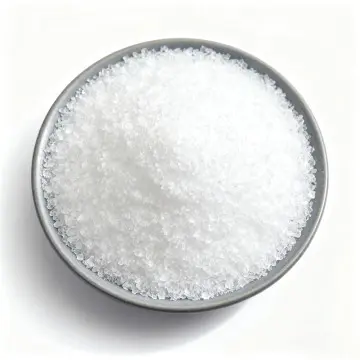
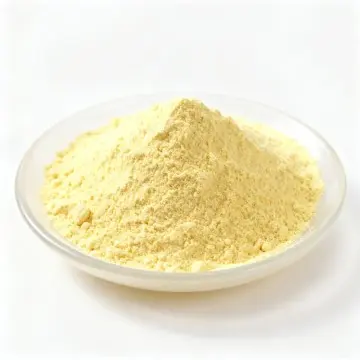
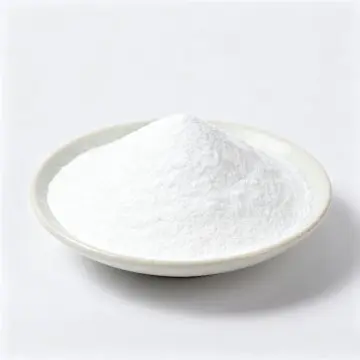
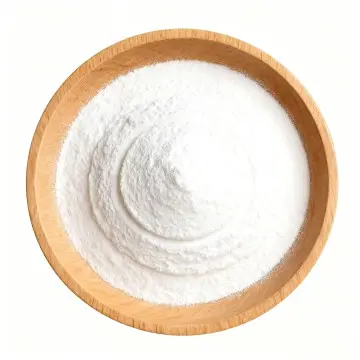
How global manufacturers leverage specific grades of HA to build high-performance skincare, dietary, and medical products.
In after-sun formulations, Sodium Hyaluronate is often paired with soothing agents like D-panthenol, Allantoin, and Aloe Vera extract. Using LMW and HMW HA in a 1:1 ratio helps establish a protective barrier that seals in moisture while penetrating deep into the epidermis to calm redness. These formulations are ideal for sun care lines distributed across high-UV index regions, including Australia, the Middle East, and parts of the United States.
Following medical aesthetics procedures like fractional CO2 laser resurfacing, chemical peels, or micro-needling, the epidermal barrier is intentionally disrupted. Medical-grade, low-endotoxin Sodium Hyaluronate is used to formulate sterile hydrogels. These products speed up re-epithelialization, cool the skin, and minimize patient downtime without causing irritation.
Ophthalmic-grade Sodium Hyaluronate is valued for its unique viscoelastic properties. When used in eye drops, it adheres to the ocular surface, stabilizing the tear film and providing long-lasting hydration. This grade must comply with strict microbiological specifications to ensure user safety.
Modern wellness trends emphasize "beauty from within." Food-grade, low-molecular-weight Hyaluronic Acid is absorbed through the digestive tract and delivered to the dermis via the bloodstream. Regular intake helps replenish the body's natural GAG reserves, improving systemic hydration, skin elasticity, and joint health.
Analyzing key trends in regulatory compliance, regional market growth, and ingredient preferences across emerging economies.
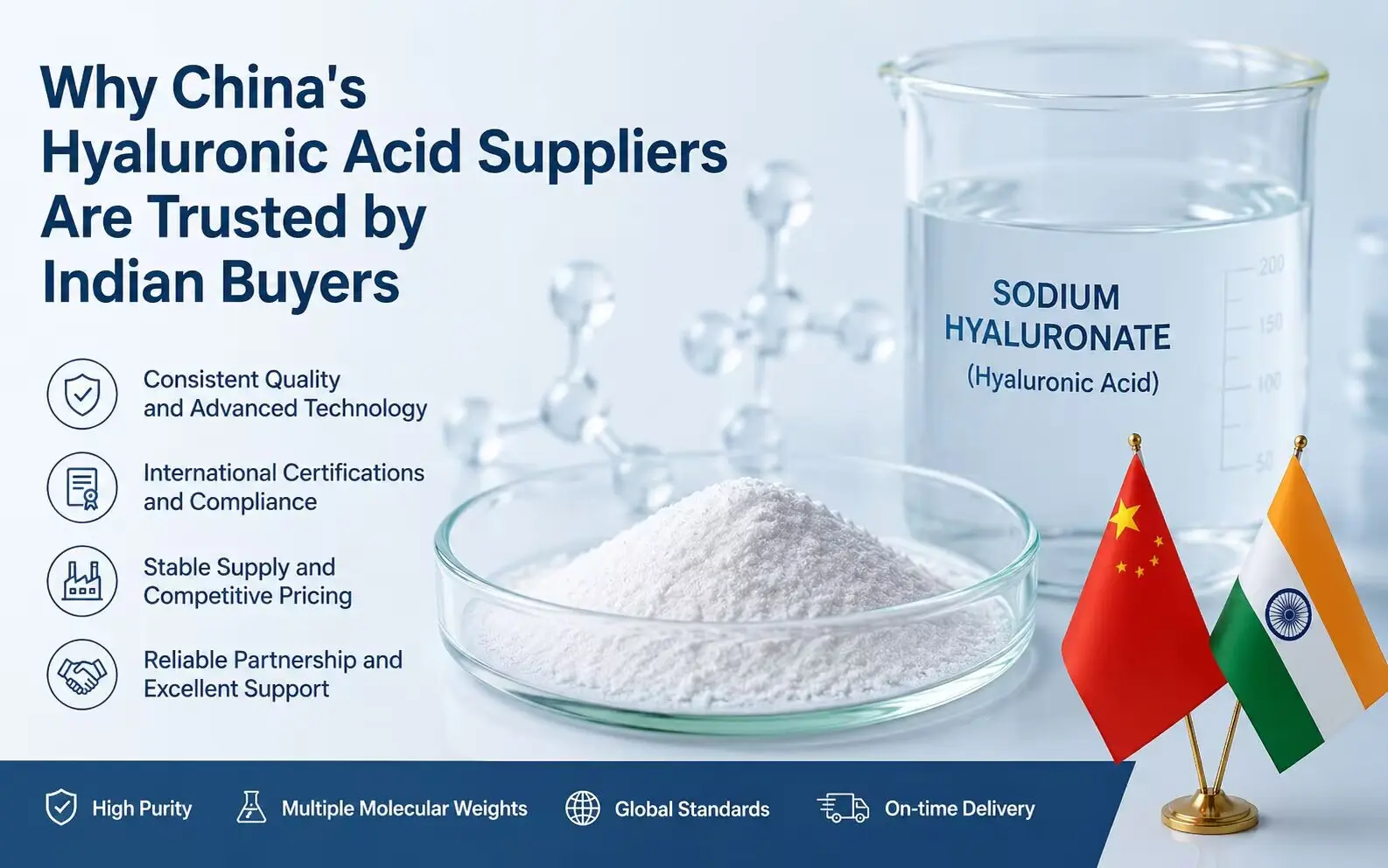
With the rapid growth of India's cosmetic, pharmaceutical, and nutraceutical industries, demand for Sodium Hyaluronate is rising. Chinese suppliers have become key partners by offering high-purity ingredients, reliable batch consistency, and navigate regulatory requirements efficiently.
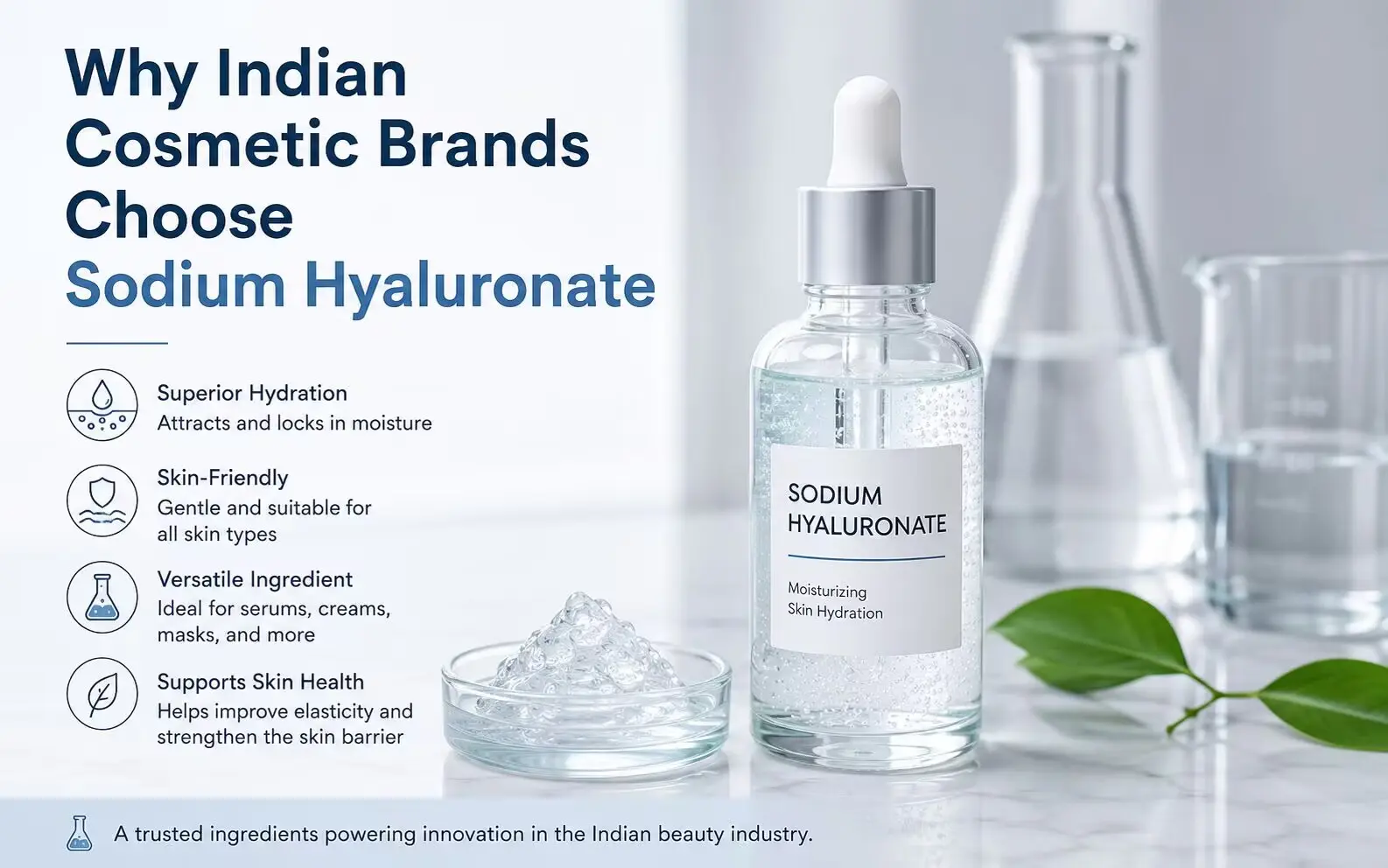
As Indian beauty brands expand their product offerings, formulation teams are prioritizing safe and effective actives. Sodium Hyaluronate has become a go-to ingredient for hydrating serums, daily moisturizers, sunscreens, and makeup, thanks to its ability to perform well in hot and humid climates.
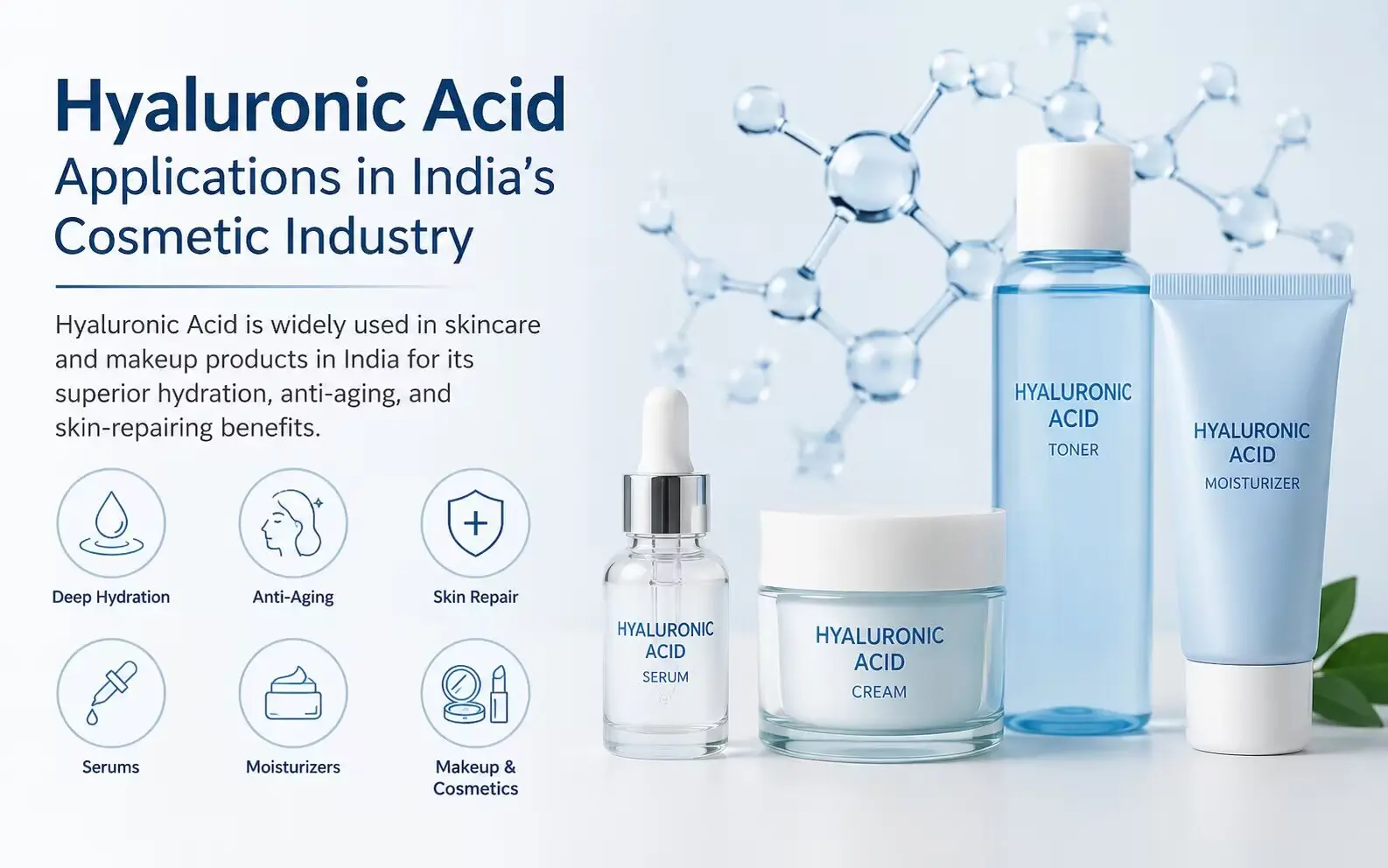
From lightweight face gels to post-treatment recovery balms, Hyaluronic Acid is finding a home in a variety of new formulations. This versatility helps brands cater to consumers looking for reliable, high-performance skincare solutions.

Technical and commercial answers for B2B buyers, formulation scientists, and quality assurance leads.
Aloe vera provides temporary relief by cooling the skin, but it doesn't effectively restore the dermal barrier. Sodium Hyaluronate is highly biocompatible and binds significant amounts of moisture without trapping heat. This helps lower Trans-Epidermal Water Loss (TEWL) and supports natural tissue regeneration.
A blend of molecular weights works best. High Molecular Weight (HMW) HA forms a protective, hydrating layer on the skin's surface to soothe irritation. Low Molecular Weight (LMW) HA penetrates deeper to quiet inflammatory signals and support the repair of photodamaged skin.
Our Sodium Hyaluronate is produced through bacterial fermentation using non-GMO, non-animal-derived sources. Every batch is tested to ensure low endotoxin levels, minimal heavy metal content, and a clear molecular weight distribution, making it suitable for cosmetic, food, and pharmaceutical applications.
Yes. Research shows that ingested food-grade Hyaluronic Acid is absorbed in the gut and distributed to the skin. This systemic hydration supports the body's natural defenses, improves skin elasticity, and helps rebuild damaged tissue from the inside out.
We maintain a steady inventory of popular grades and work with global logistics partners to coordinate shipments. Our documentation, including COAs, MSDS sheets, and export paperwork, is prepared carefully to ensure smooth customs clearance and on-time delivery.
Engineered for high-purity dermal fillers, daily moisturizing creams, joint health supplements, and contact lens solutions.