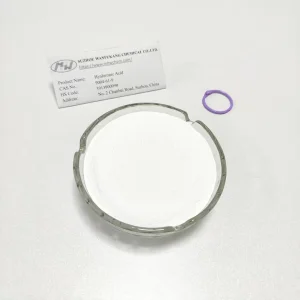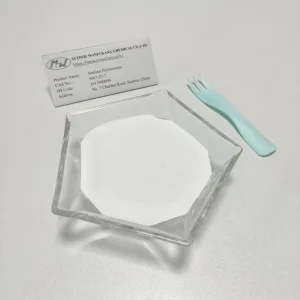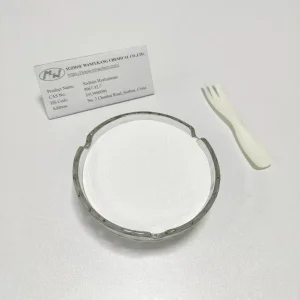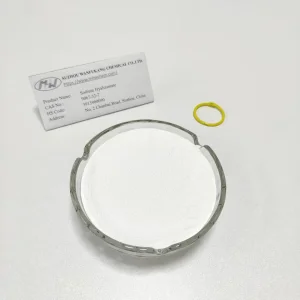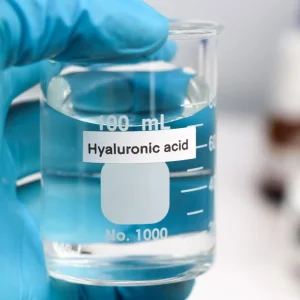
Explore our industrial-grade, certified Hyaluronic Acid configurations engineered for stability and clinical-level efficacy.
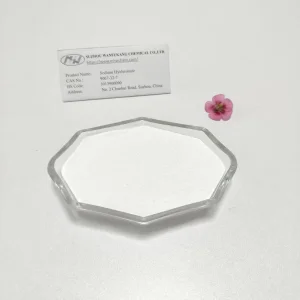
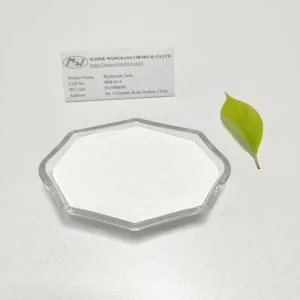
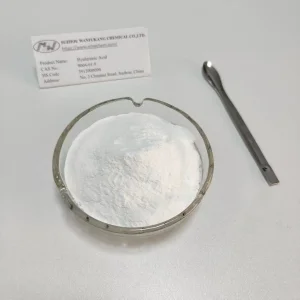
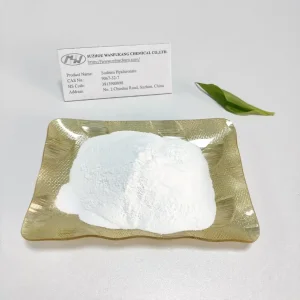
A comprehensive analysis of molecular synergy, clinical stabilization pathways, and large-scale manufacturing protocols.
In modern dermocosmetic formulation, pairing retinoids (Vitamin A) with humectants represents a foundational standard for anti-aging efficacy. Retinol acts at the cellular level by binding to specific nuclear retinoic acid receptors (RAR and RXR), accelerating epidermal turn-over, stimulating fibroblast proliferation, and boosting collagen synthesis. However, this process alters the stratum corneum structure, causing transient transepidermal water loss (TEWL), desquamation, and localized inflammation—a clinical phenomenon commonly known as "retinoid dermatitis."
Hyaluronic Acid (specifically in a multi-molecular-weight configuration) acts as the biological offset. High molecular weight (HMW) sodium hyaluronate (typically 1.5–2.0 MDa) forms a non-occlusive, viscoelastic moisture film on the skin surface, suppressing TEWL. Concurrently, low molecular weight (LMW) and Oligo Hyaluronic Acid (<10 kDa) penetrate deep into the dermal matrix, binding to CD44 receptors to activate endogenous hyaluronic acid production and stabilize intercellular matrices.
Key Insight: The dual action of cell-turnover stimulation and instantaneous moisture replenishment creates a kinetic synergy: Hyaluronic Acid strengthens the skin barrier, enabling sustained tolerability to high-potency (0.5%–1.5%) active Retinol treatments without inducing epidermal distress.
Formulating Retinol and Hyaluronic Acid together presents complex physical-chemical challenges. Retinol is highly sensitive to photolysis, thermal degradation, and oxidation. When exposed to light and ambient oxygen, the conjugated polyene structure of retinol isomerizes from the active all-trans form into inactive cis-isomers, reducing product potency and forming degradation products.
Our research and development laboratories have resolved these hurdles via two advanced technology routes:
At our state-of-the-art facilities in Suzhou, we have integrated Industry 4.0 automation systems to manufacture Cosmetic, Food, and Pharmaceutical grades of Sodium Hyaluronate. Our biotechnology production line uses optimized Streptococcus zooepidemicus fermentation techniques, avoiding animal-derived materials to yield highly pure, non-animal origin products.
Through real-time digital monitoring of fermentation pH, dissolved oxygen levels, and temperature cycles, we maintain batch-to-batch consistency that complies with international standards. Our automated purification systems eliminate nucleic acids, proteins, and bacterial endotoxins, yielding cosmetic-grade materials with over 98% assay purity, alongside injectable-grade options that meet strict European Pharmacopoeia (EP) guidelines.
Years of R&D Experience
Annual Production Capacity
Export Destination Countries
Active Raw Material Portfolio
Wanfukang specializes in the design, optimization, and wholesale export of advanced cosmetics, health food, and functional pharmaceutical raw materials.
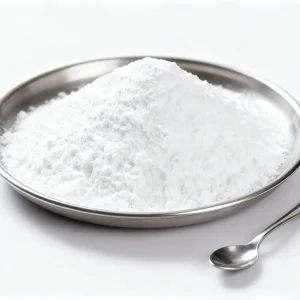
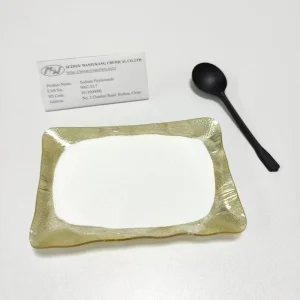
High-grade cosmetic raw material with over 98% assay purity, perfect for anti-aging serums and intensive moisture creams.
Ultrapure Vitamin B3 powder designed to address hyperpigmentation, strengthen the skin barrier, and regulate sebum production.
An effective brightening compound that targets melanin synthesis, helping fade age spots and post-inflammatory pigmentation.
An oil-soluble antioxidant raw material that protects skin cells against environmental oxidative stress and supports cellular health.
An anti-aging powder that supports skin rejuvenation, enhances cell turnover, and reduces the appearance of fine lines and wrinkles.
Highly purified glycosaminoglycan designed for dietary supplements to support joint flexibility and cartilage health.
Food and cosmetic grade active powder with an assay above 99%, widely used for collagen synthesis support and product preservation.
An essential acidity regulator with 99% purity, widely used as an stabilizing and preservative agent across the food and beverage industry.
Ensuring smooth import processes, fast customs clearance, and adherence to international regulatory standards.
Our raw materials comply with ISO 9001:2015 standards, and we provide complete documentation, including COA, MSDS, HPLC test chromatograms, and Heavy Metal analyses for every batch.
We leverage long-term logistics partnerships to offer flexible shipping solutions (FOB, CIF, CFR) with customized protective packaging, ensuring stability and preventing thermal degradation during transit.
Our application engineers collaborate with brand client teams, providing formulation guidelines, pH buffering solutions, compatibility assays, and customized packaging options.

Suzhou Wanfukang Chemical Co., Ltd. is a dedicated, multi-year manufacturer and supplier of Sodium Hyaluronate and Hyaluronic Acid. Over years of development, we have extended our services from basic chemical supply to advanced research and manufacturing across cosmetic, food, and pharmaceutical fields.
Our raw materials are widely utilized in joint health supplements, pharmaceutical-grade eye drops, non-animal biocompatible dermal fillers, and specialized anti-aging cosmetic serums worldwide. By integrating our scientific expertise with production efficiency, we deliver customized purity grades and packaging solutions to meet the demanding standards of global skincare and pharmaceutical brands.
Stay informed with updates on global demand, chemical application trends, and supply chain updates.
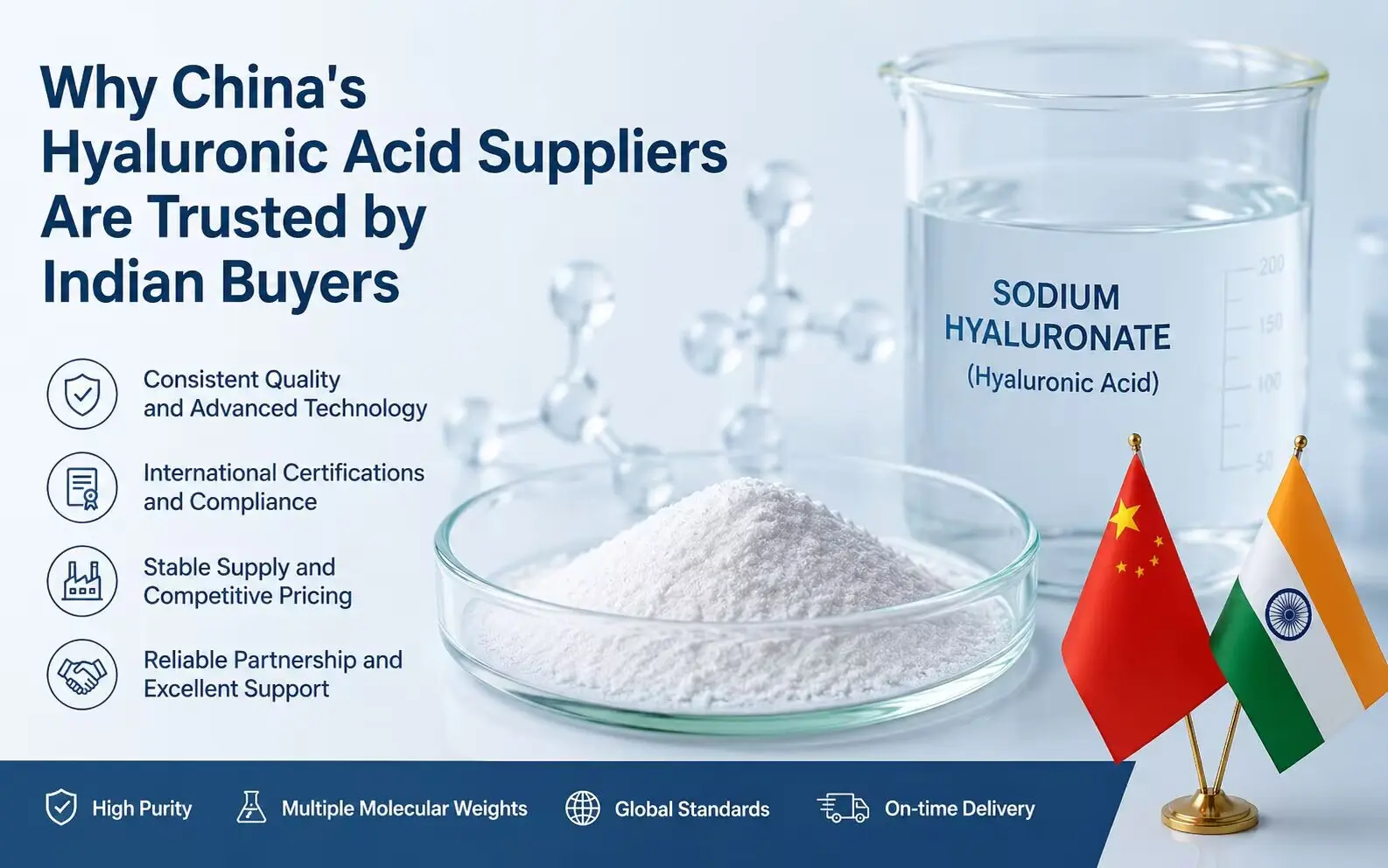
With the rapid development of India's cosmetics, pharmaceutical, and health product industries, the market demand for hyaluronic acid (HA) and sodium hyaluronate continues to grow. Discover why Chinese suppliers have earned the long-term trust of Indian buyers.
Read Full Report →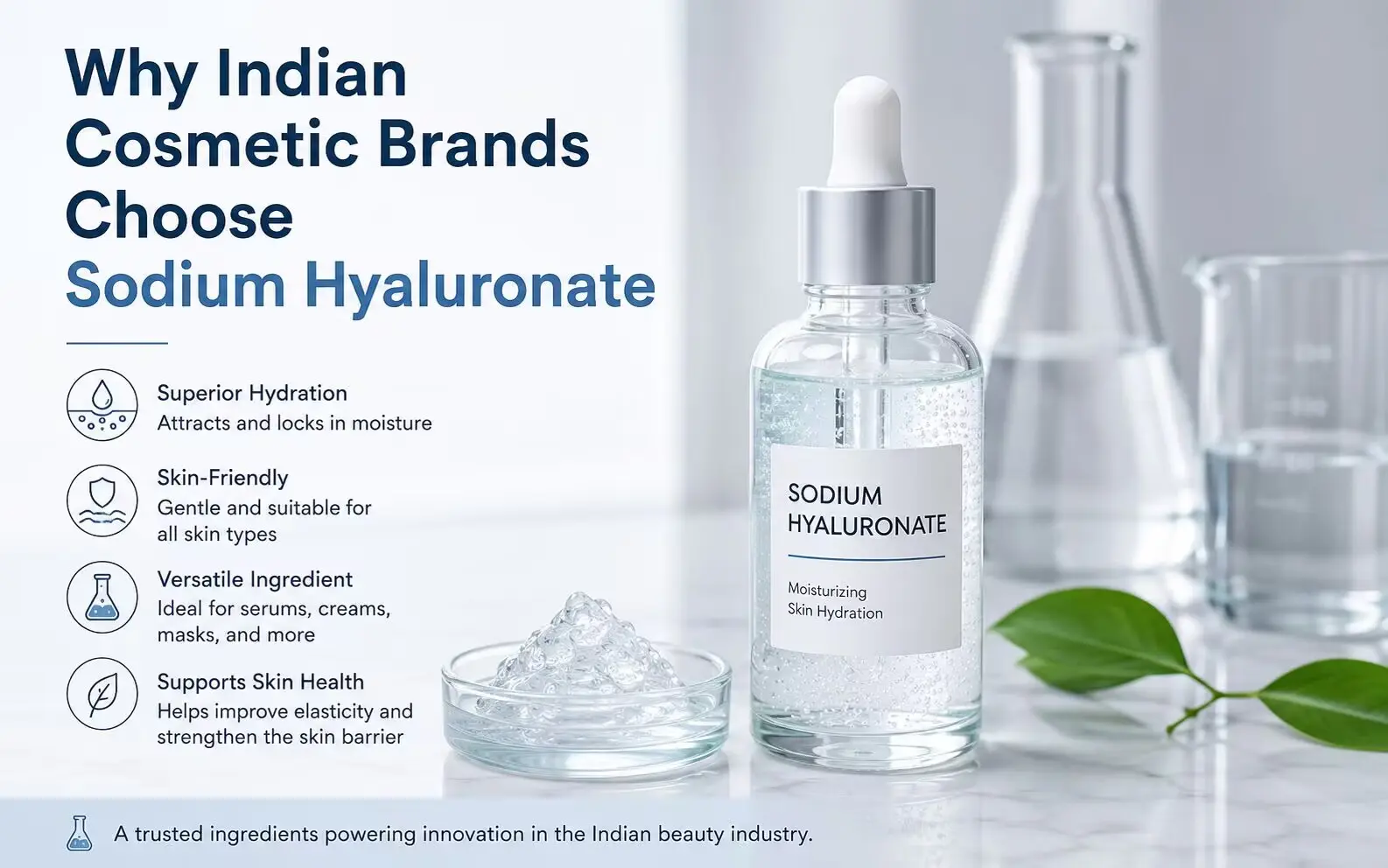
As India's personal care market continues to grow, consumers are increasingly seeking highly effective, safe skincare options. Sodium hyaluronate has become a go-to moisturizing and barrier-supporting ingredient in serums, creams, and sunscreens.
Read Full Report →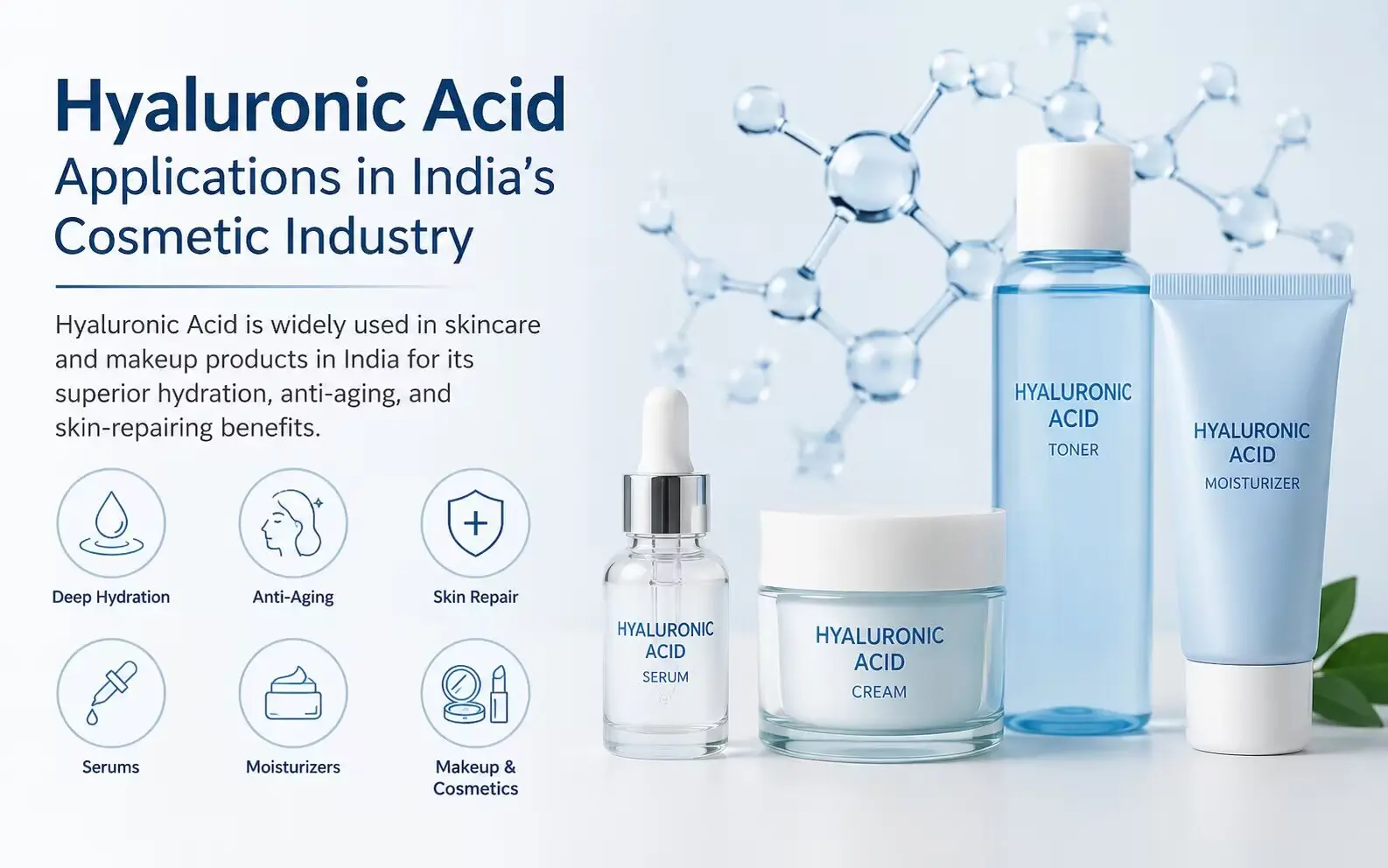
Driven by the expansion of the cosmetics market and consumer demand for premium skincare, hyaluronic acid (HA) has become one of the most widely used functional ingredients in formulation design.
Read Full Report →Technical guidance from our research laboratory team on manufacturing, formulating, and sourcing Retinol and Hyaluronic Acid.
Explore our complete product catalog, featuring injectable-grade and highly stable cosmetic-grade hyaluronic acid solutions.