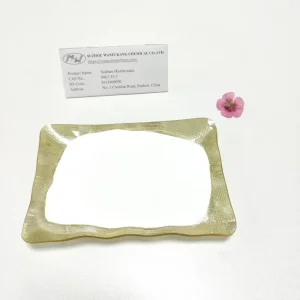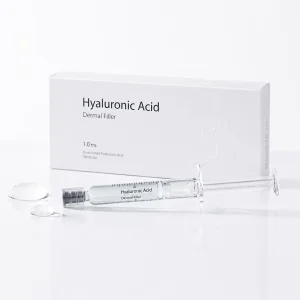
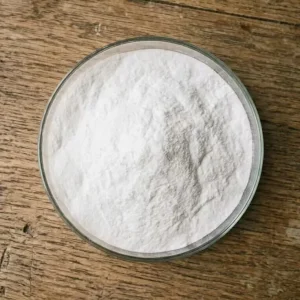
Select from our certified high-performance bio-fermented Sodium Hyaluronate range designed for rapid transdermal delivery and deep tissue cellular hydration.
A definitive guide to molecular engineering, industrial application pathways, and global sourcing strategies for advanced glycosaminoglycans.
Sodium Hyaluronate, the sodium salt of Hyaluronic Acid (HA), is a naturally occurring linear polysaccharide composed of repeating disaccharide units of D-glucuronic acid and N-acetyl-D-glucosamine. Historically, standard high molecular weight (HMW) hyaluronic acid was favored for its superficial humectant barriers. However, its high molecular mass (typically > 1.8 MDa) impedes skin penetration.
Through advanced enzymatic degradation and controlled bio-fermentation processes, manufacturers like Suzhou Wanfukang Chemical Co., Ltd. can now synthesize Low Molecular Weight (LMW) Sodium Hyaluronate. Operating across molecular weight profiles ranging from 10 kDa to 1,000 kDa, and even ultra-low oligomeric variations below 10 kDa, these advanced molecules traverse the stratum corneum, enabling targeted hydration of the epidermal layers, active synthesis of endogenous collagen, and accelerated tissue healing.
Understanding the precise physiological impact of different molecular weights is vital for choosing the right raw material. The table below represents our engineering parameters for various target applications:
| Molecular Weight Range | Classification | Primary Biological Mechanism | Key Applications |
|---|---|---|---|
| < 10 kDa (Oligo) | Oligomeric Hyaluronate | Deep dermal penetration, CD44 receptor activation, cellular repair signalling. | Anti-aging serums, regenerative clinical cosmetics. |
| 10 kDa - 100 kDa | Low Molecular Weight (LMW) | Transdermal hydration, intercellular matrix stabilization, cytokine regulation. | Anti-wrinkle creams, essence liquids, oral beauty beverages. |
| 100 kDa - 1,000 kDa | Medium Molecular Weight (MMW) | Reinforces skin barrier, long-lasting surface moisture retention. | Body lotions, daily moisturizers, topical wound therapies. |
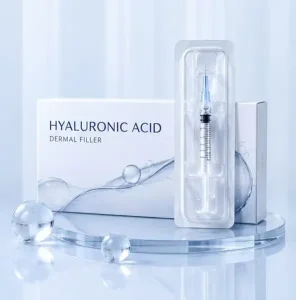
| > 1,800 kDa | High Molecular Weight (HMW) | Forms a non-occlusive hydrating film, high viscoelasticity. | Moisturizing creams, eye drops, lubricating medical fillers. |
Our manufacturing pipeline relies on the non-pathogenic fermentation of Streptococcus zooepidemicus, grown on a vegan vegetable carbon source. Post-fermentation, the broth is processed through strict microfiltration, followed by controlled enzymatic hydrolysis. Unlike chemical degradation methods which alter the native molecular backbone, our enzyme-based cutting process keeps the purity above 98%, maintains the molecular structure, and leaves zero chemical residues.
The global commercial demand for LMW Sodium Hyaluronate has transitioned from premium niche skincare to macro-industrial sectors. This includes functional foods, functional beverages, and clinical post-operative wound care.
Cosmeceuticals Sector: Consumers are shifting away from surface-level cosmetics to deep-penetrating skincare. For instance, brands in the European and East Asian markets are formulating multiple molecular weights into single products. This multi-stage hydration system targets different depths of the skin, increasing demand for specific molecular profiles.
Nutraceuticals & Functional Food: Oral consumption of LMW Sodium Hyaluronate is clinically proven to improve skin hydration and joint lubrication. This has led to high demand from health food manufacturers in North America and Asia-Pacific.


When purchasing bulk active ingredients, R&D departments and procurement managers face major challenges, such as:
To address these concerns, our manufacturing plants run a multi-step quality control system. Our molecular weight distribution is verified for every batch using gel permeation chromatography (GPC). By using precise purification technologies, we keep heavy metals under 10 ppm and protein levels below 0.1%.
Sourcing active raw materials globally requires strict adherence to international regulatory standards. Different markets have specific verification processes:
We provide full regulatory support, including complete SDS sheets, COA data, and technical dossiers to ensure smooth customs clearance and regulatory approval.
The future of hyaluronic acid technology lies in custom molecular weight complexes. Standard single-MW formulations are being replaced by tailored combinations of ultra-low, medium, and high molecular weight hyaluronates. By combining these different sizes, we create a matrix that targets multiple skin layers at once.
Additionally, cross-linked hyaluronate matrices are proving to be much more stable against enzymatic breakdown, making them highly effective for long-lasting cosmetic products and targeted skin delivery systems.
Developed by Suzhou Wanfukang Chemical Co., Ltd, specializing in advanced food and cosmetic active ingredients.
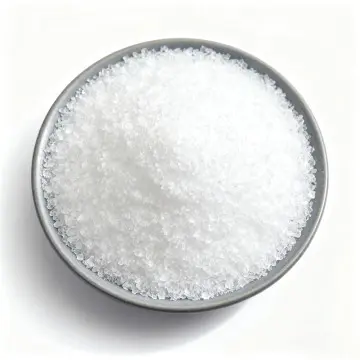
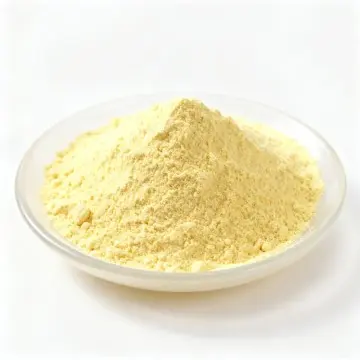
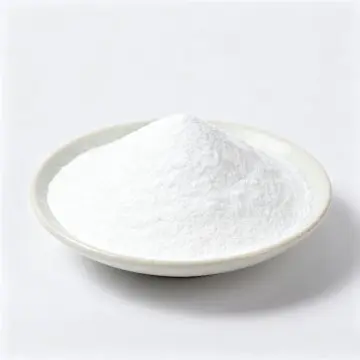
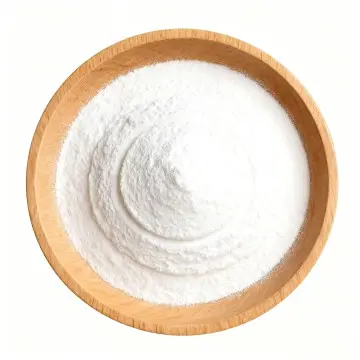
Globally trusted, high-purity chemical components and raw matrices optimized for immediate manufacturing formulation.



Suzhou Wanfukang Chemical Co., Ltd. is a dedicated, global supplier of high-purity Sodium Hyaluronate and Hyaluronic Acid compounds. With specialized research and high-yield fermentation facilities, we supply food grade, cosmetic grade, and pharmaceutical grade raw ingredients.
Over years of expansion, our product catalog has grown to cover a wide range of functional cosmetic components, nutritional materials, and customized active compounds. We deliver active solutions to pharmaceutical, nutraceutical, and chemical manufacturers across 20+ countries.
Learn More About UsCrucial biological and regulatory answers compiled by our chief research chemists for R&D directors and global buyers.
Technical articles explaining chemical procurement trends, raw material supply dynamics, and product formulation shifts.
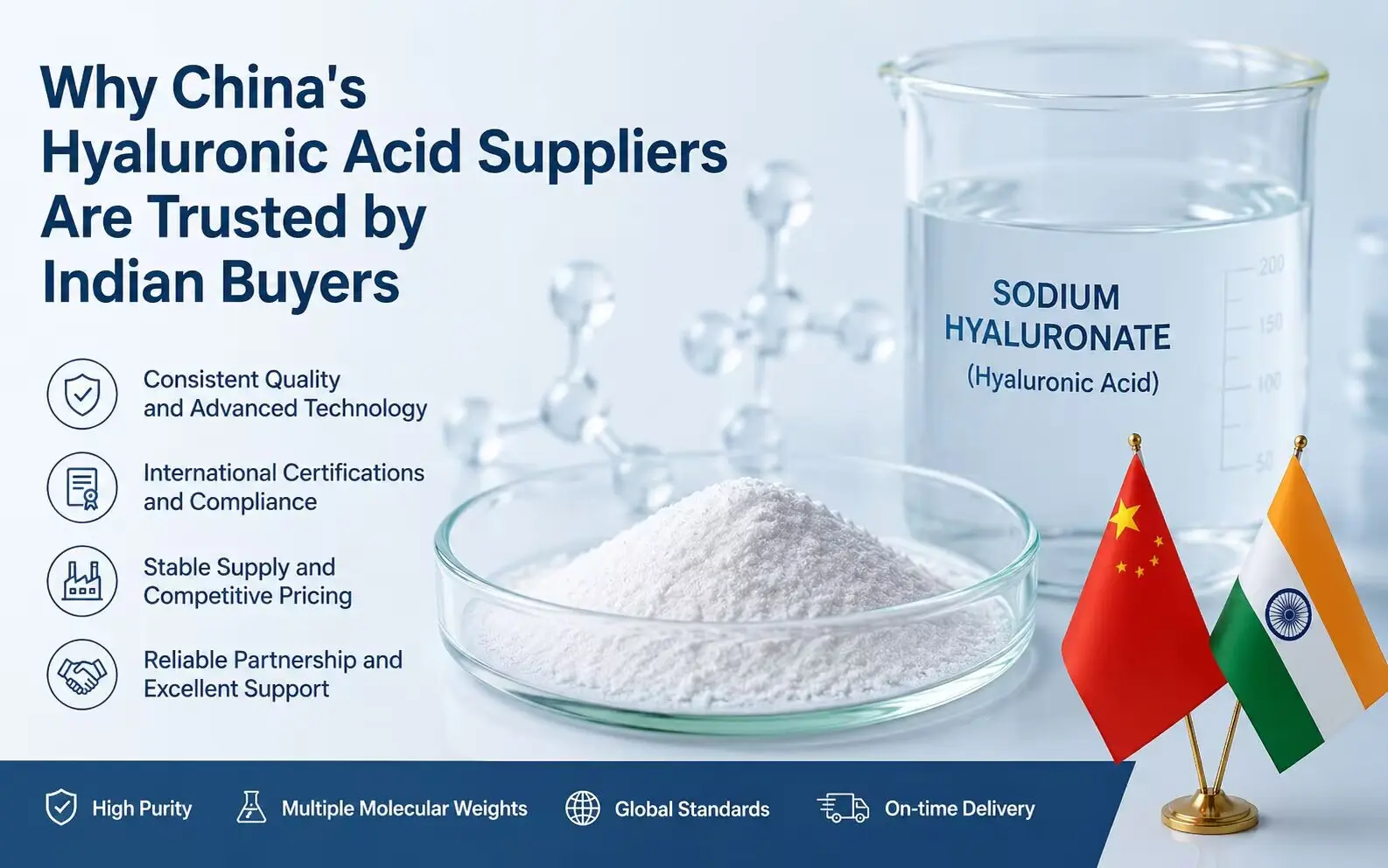
India's cosmetics and health supplement sectors are growing rapidly, leading to high demand for hyaluronic acid (HA) and sodium hyaluronate. More Indian buyers are partnering with Chinese suppliers due to their large-scale production capacity, consistent batch-to-batch quality, and reliable pricing.
Read Article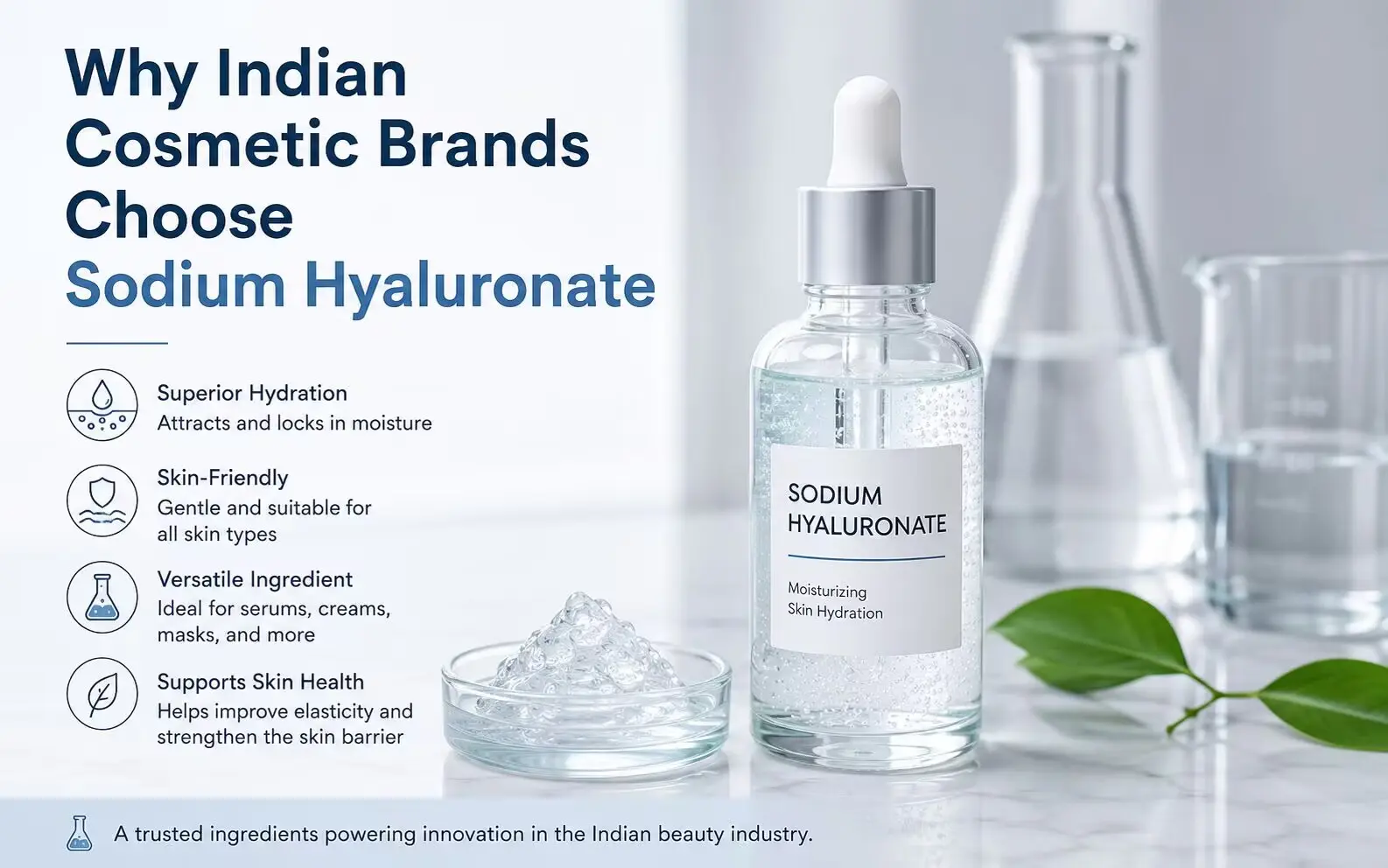
As India's personal care market expands, demand is rising for active, reliable ingredients. Sodium hyaluronate is now widely used in local formulations, including facial serums, daily creams, sheets masks, and light sunscreens, to deliver deep hydration suited for tropical climates.
Read Article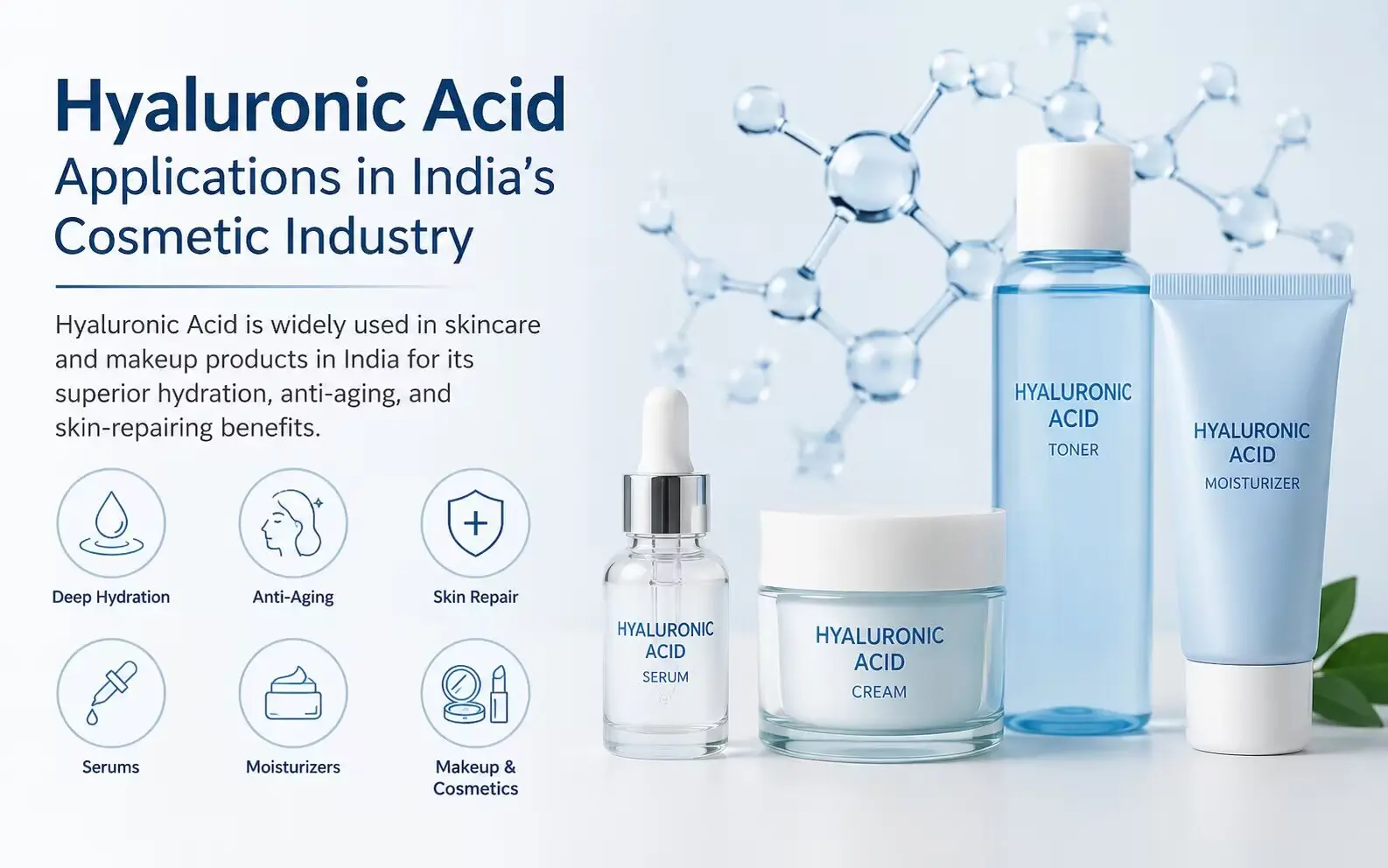
With consumers seeking targeted skin benefits, hyaluronic acid (HA) has become a key ingredient in modern formulations. This article explores how manufacturers combine low and high molecular weights to create effective hydrating and skin-barrier products.
Read Article


Premium active materials optimized for biological absorption, high hydration, and clinical application.