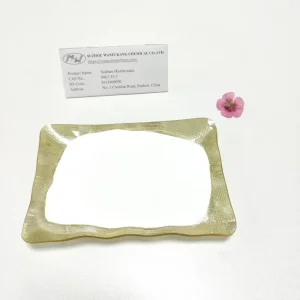
Explore our foundational range of certified pure Hyaluronic Acid and customized bio-active components engineered for diverse global application standards.
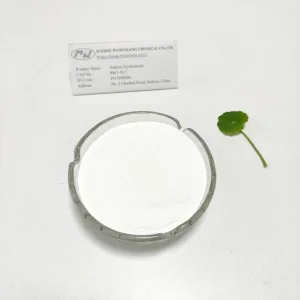
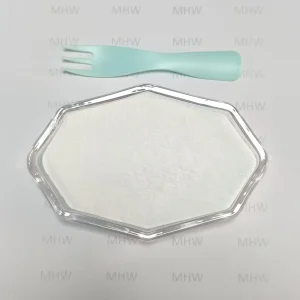
An authoritative technical whitepaper on pure Hyaluronic Acid synthesis, molecular structural variations, global regulatory frameworks, and market distribution strategies.
Executive Summary: Modern medical-grade and high-performance cosmetic markets demand strict control over molecular weight ranges, heavy metal residues, and endotoxin thresholds. This documentation compiles the technical standards, supply chain operations, and compliance vectors managed by Suzhou Wanfukang Chemical Co., Ltd.
The procurement of raw Hyaluronic Acid (HA) has moved from simple bulk sourcing to highly detailed, task-specific molecular customization. Industrial buyers categorise HA based on molecular weight (MW) to match specific absorption behaviors:
For business buyers, selecting a reliable manufacturer requires a clear balance of consistent molecular distribution, vegan-friendly origins, and stable supply networks. This ensures product stability and batch-to-batch consistency.
Modern HA manufacturing has shifted away from animal tissues (such as rooster combs) to advanced microbial fermentation. This process uses non-pathogenic strains (e.g., Streptococcus zooepidemicus or engineered Bacillus subtilis) grown in vegan, nutrient-rich media.
The bio-fermentation process offers several technical advantages:
Pure Hyaluronic Acid and its sodium salt (Sodium Hyaluronate) are key ingredients across three main sectors:
The HA industry is moving toward complex, hybrid formulations. Manufacturers are investing in cross-linking technologies (using reagents like BDDE) to extend the stability of dermal fillers inside the body. Enzymatic degradation techniques are also being refined to produce ultra-low molecular weight Oligo-HA without using harsh chemical acids.
At the same time, green chemistry is driving efforts to reuse fermentation byproducts, lower water consumption, and transition to biodegradable packaging. This aligns with the sustainability goals of international consumer brands.
Verified manufacturing capacity, global logistics reach, and raw material portfolio diversity of Suzhou Wanfukang Chemical Co., Ltd.
China has become a major global supplier of high-purity Hyaluronic Acid. Manufacturers there combine advanced fermentation technologies, cost-efficient production, and strict compliance with international standards.
For buyers in rapidly growing markets like India, working with experienced Chinese exporters ensures a steady, high-volume supply of cosmetic, food, and injection-grade HA. It also helps local brands scale up production smoothly.
In addition, reliable suppliers offer complete documentation—including MSDS, COA, Kosher, Halal, and ISO certifications. This simplifies custom clearance, speeds up registration with agencies like the CDSCO, and shortens product launch timelines.
Our QA protocols monitor critical attributes: Transmittance (≥ 99.0%), Glucuronic Acid content (≥ 44.0%), Heavy Metal thresholds (≤ 10ppm), and overall bacterial limits to meet strict USP/EP requirements.
Review Compliance Documentation →Common questions from pharmaceutical, cosmetic, and nutraceutical procurement specialists regarding raw material grades and processing.
Pure cosmetic and pharmaceutical-grade Sodium Hyaluronate typically carries a purity assay of no less than 98.0% (calculated on a dry basis). The key purity marker is the Glucuronic Acid content, which should be ≥ 44.0%.
Our processes keep total heavy metals under 10 ppm, with arsenic capped at 2 ppm. The raw material undergoes strict alcohol precipitation, microfiltration, and sterile crystallization to remove foreign proteins, nucleic acids, and potential allergens.
Yes, all grades of Hyaluronic Acid and Sodium Hyaluronate produced are derived from microbial fermentation (using non-animal raw materials), making them 100% vegan-friendly and free from bovine/poultry contaminants.
Sodium Hyaluronate is the sodium salt form of Hyaluronic Acid. It is more stable, less prone to oxidation, and has a smaller molecular size. This makes it easier to handle during formulation and improves skin penetration in topical applications.
Premium functional food ingredients, specialized low-molecular variants, and high-purity injection grades for advanced applications.
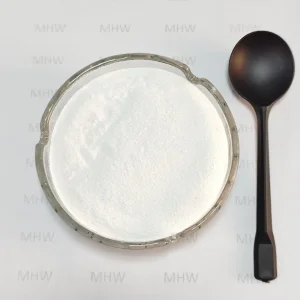
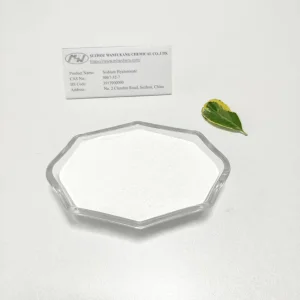
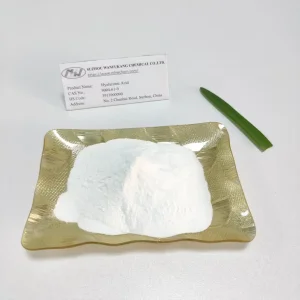
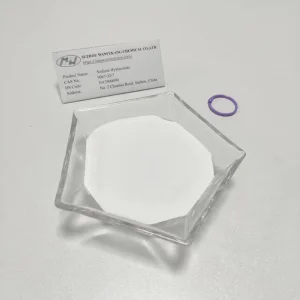
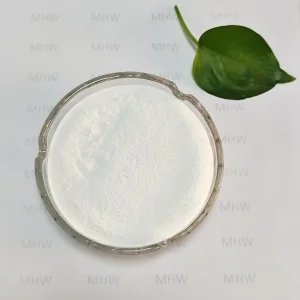
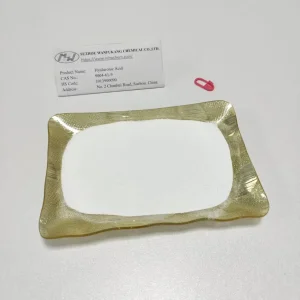
WFKCHEM collaborates with top raw material distributors and logistics agencies to ensure reliable global delivery.