Explore our globally certified chemical and biological ingredients engineered for high stability and maximum bioavailability.
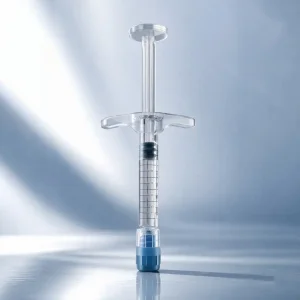
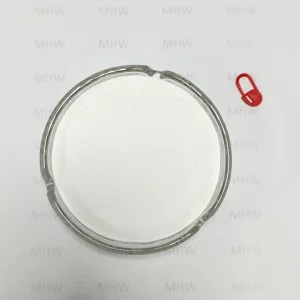
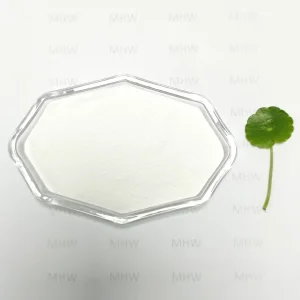
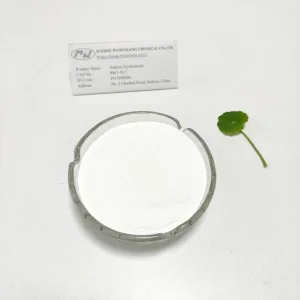
In the modern pharmacological and cosmeceutical landscape, the intersection of active retinoids and biological humectants represents a cornerstone of dermal therapeutics. Tretinoin (all-trans retinoic acid) and Hyaluronic Acid (HA / Sodium Hyaluronate) represent two of the most clinically verified molecules in dermatology. While Tretinoin works at the gene-transcription level to promote cellular renewal, accelerate desquamation, and stimulate collagen synthesis, Hyaluronic Acid maintains the structural integrity of the extracellular matrix (ECM) by binding up to 1,000 times its weight in water.
The global market for these materials is undergoing a structural transition. Demand is no longer localized in premium Western cosmetic brands; instead, there is rapid growth in the Asia-Pacific region, Latin America, and the Middle East. Pharmaceutical companies and cosmetic formulators are shifting toward high-purity, bio-fermented materials to meet stringent regulatory environments. This has generated a surge in demand for reliable B2B chemical suppliers capable of delivering multi-ton shipments that comply with USP, EP, and JP pharmacopeias.
Furthermore, the convergence of green chemistry and synthetic biology has forced suppliers to transition away from traditional animal-derived sources (such as rooster combs) to advanced microbial fermentation techniques. Modern manufacturers utilize genetically optimized strains of Streptococcus zooepidemicus or Bacillus subtilis to produce vegan-friendly, ultra-pure Sodium Hyaluronate, minimizing immunogenic responses and maximizing formulation safety.
Understanding the biological synergy between Tretinoin and Hyaluronic Acid is essential for product development teams. Tretinoin is highly effective at reverse photocompounding, acne mitigation, and skin thickening. However, it is notorious for causing "retinization"—a process marked by erythema, severe dryness, barrier disruption, and trans-epidermal water loss (TEWL).
By introducing specific molecular weights of Sodium Hyaluronate into the formulation or post-treatment regimen, cosmetic chemists can neutralize these adverse effects:
| Active Ingredient Grade | Molecular Weight Range | Primary Cosmetic/Pharma Application | Key Quality Standard / Compliance |
|---|---|---|---|
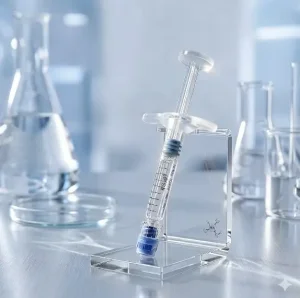
| Injection Grade HA | 1.0M – 3.0M Da | Dermal Fillers, Intra-articular Injections | Endotoxin < 0.05 IU/mg, GMP, CEP Certified |
| Eye Drop Grade HA | 1.5M – 2.5M Da | Ophthalmic Lubricants, Dry Eye Therapeutics | Sterile Production, Low Heavy Metals |
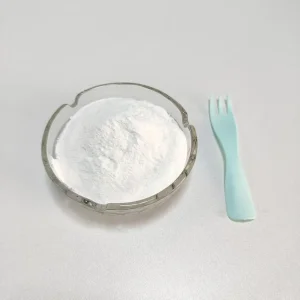
| Cosmetic Grade HA | 7 kDa – 2.0M Da | Serums, Anti-aging Creams, Hydrogels | Assay ≥ 98.0%, Vegan-Fermented |
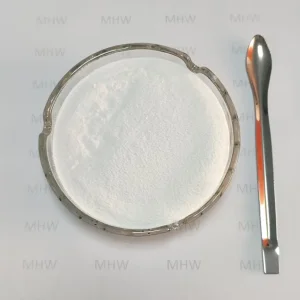
| Pharmaceutical Tretinoin | Active Powder | Acne Gels, Anti-wrinkle Ointments | USP/EP Compliance, High Stability Crystals |
China is the world's leading producer and exporter of Sodium Hyaluronate, controlling over 70% of the global volume. Factories in regions like Shandong and Jiangsu have modernized raw material sourcing through heavy investment in biotechnology and automated fermentation infrastructure. Suzhou Wanfukang Chemical Co., Ltd. leverages this ecosystem to deliver high-quality ingredients at competitive prices.
The efficiency of Chinese manufacturing is built on three key pillars:
Recent industry reports indicate a significant rise in imports of Chinese Hyaluronic Acid by Indian cosmetics brands. The primary driver is the balance between cost efficiency and high purity. This combination enables local brands to formulate high-performance products that compete effectively with established global players.
Our proven track record ensures supply chain resilience for global buyers.
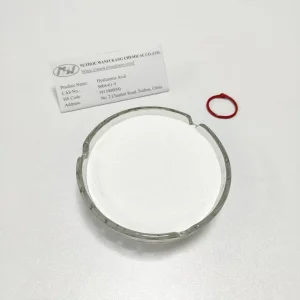
Suzhou Wanfukang Chemical Co., Ltd. is an established supplier of Sodium Hyaluronate and Hyaluronic Acid.
We provide all grades of sodium hyaluronate, including food grade, cosmetic grade, and pharmaceutical grade. Over time, our portfolio has expanded into key cosmetic ingredients, health food raw materials, and pharmaceutical active ingredients. Our products are widely used in professional cosmetics, joint health supplements, and medical devices.
By prioritizing rigorous quality control, stable supply channels, and customer support, we help global buyers formulate, scale, and launch innovative products.


Select a category to view high-demand active ingredients supplied by Wanfukang Chemical.

High-efficacy moisture-binding agent suitable for anti-aging serums and day creams.

Vitamin B3 active targeting hyperpigmentation, uneven skin tone, and barrier repair.

Alpha/Beta Arbutin sourced for brightening formulations and melasma control.

Antioxidant compound for cardiovascular supplements and topical skincare.
Sourcing raw materials on a global scale demands strict verification processes. When requesting quotes for Tretinoin or Sodium Hyaluronate, your technical and quality departments should verify the following parameters to ensure product quality and regulatory compliance:
Hyaluronic acid behaves differently based on its molecular weight. Injectables require high viscoelasticity, while eye drops need specific rheological behavior to lock in moisture without blurring vision. Ensure your exporter offers precise grading options, such as low (7–10 kDa) or medium (200-600 kDa) molecular weights.
For Tretinoin API, require an assay purity of ≥ 99% with strict limits on single impurities (≤ 0.1%). For Hyaluronic Acid, look for glucuronic acid assays ≥ 45% (which translates to a Sodium Hyaluronate assay ≥ 98.0%).
Topical and oral formulations must limit heavy metals (Pb, As, Hg, Cd) to < 10ppm. Total Plate Count (TPC) should be < 100 CFU/g for cosmetics, and yeast/molds must remain under < 10 CFU/g.
Tretinoin is highly sensitive to light and air. Ensure the raw active pharmaceutical powder is stored in amber glass vials or hermetically sealed double-layer polyethylene bags, packed under nitrogen gas, and shipped in temperature-controlled environments.
Key growth drivers transforming the global active ingredients landscape through 2030.
Dermal filler technology is moving beyond simple linear polymer chains. Cross-linked hyaluronic acid technology (using agents like BDDE) extends the duration of fillers within tissue, raising the requirements for high-density polymer materials.
Global animal welfare standards and vegan consumer trends have made non-animal origin (NAO) fermentation standard. Products made via non-animal bacterial fermentation dominate import requests from European and North American buyers.
Brands are formulating clinical-strength, pre-packaged active ingredient complexes. Products that combine Retinol/Tretinoin derivatives with multi-molecular-weight HA in a single emulsion are seeing increased consumer demand.
Insights on key trends shaping the global supply chain.
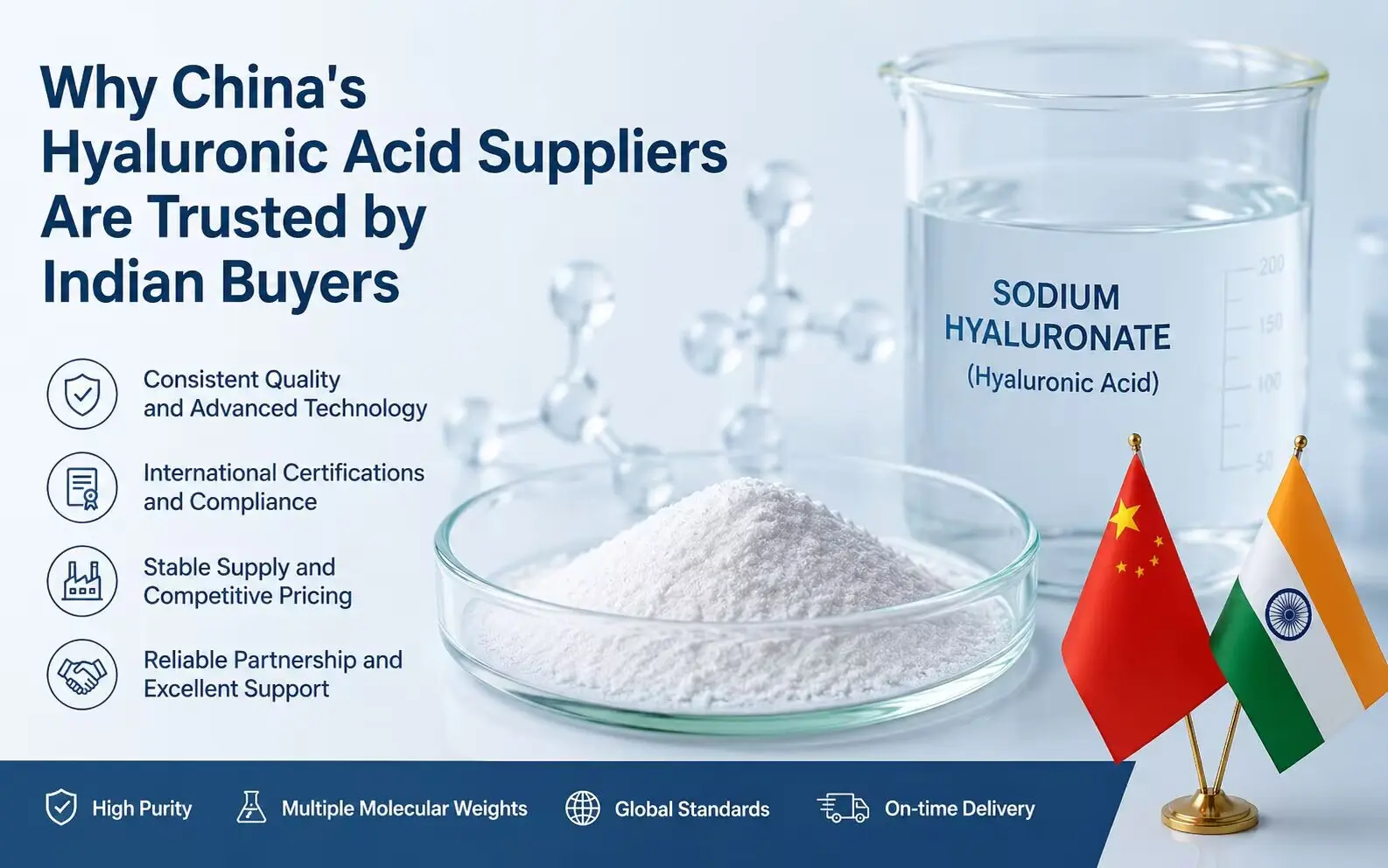
With the development of India's cosmetics and pharmaceutical sectors, demand for hyaluronic acid (HA) continues to rise. More Indian buyers are partnering with Chinese suppliers due to their consistent quality and competitive pricing.
Read Full Article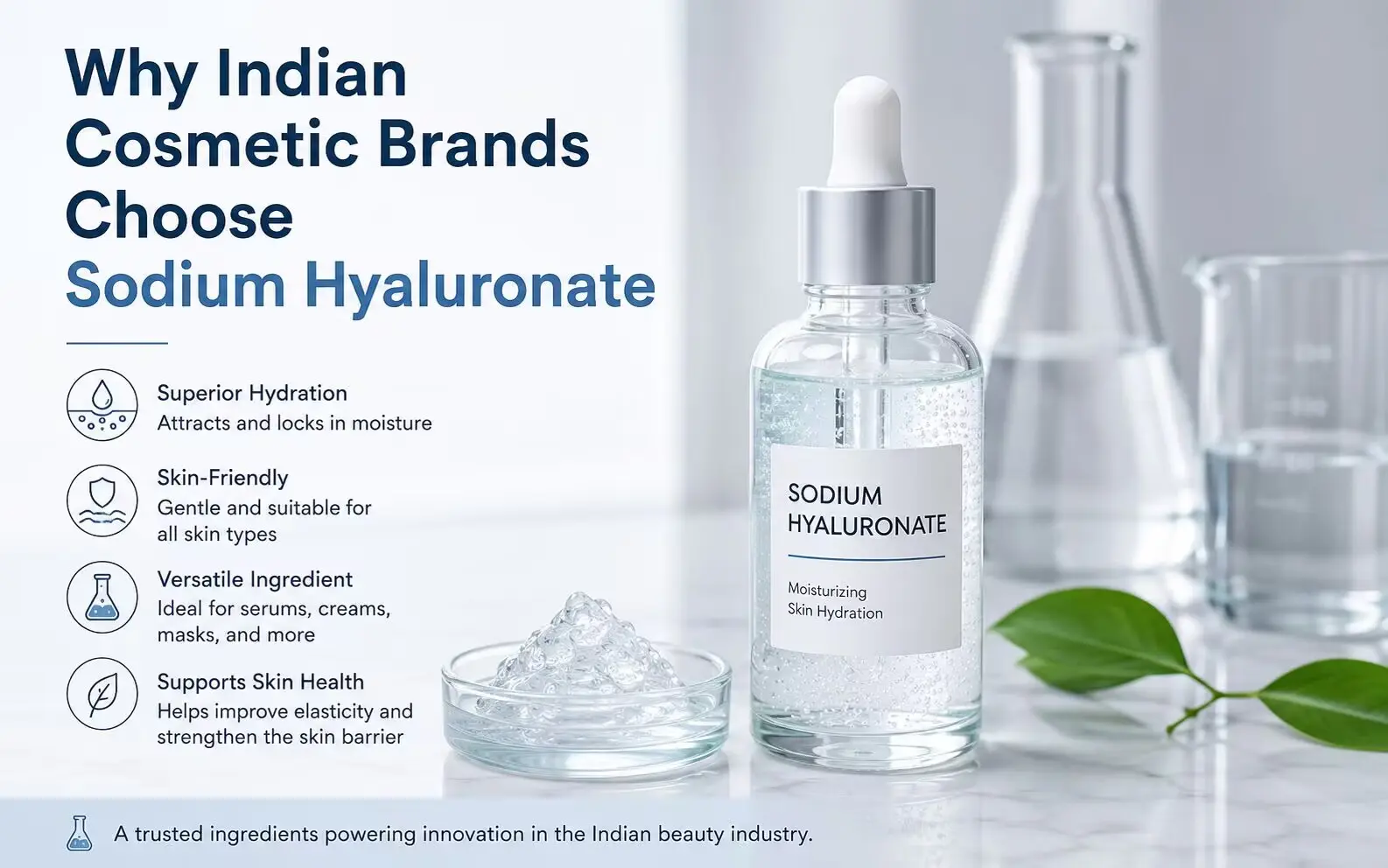
As Indian consumer demand for effective skincare products grows, sodium hyaluronate has become a key ingredient in local formulations, including serums, creams, and sunscreens.
Read Full Article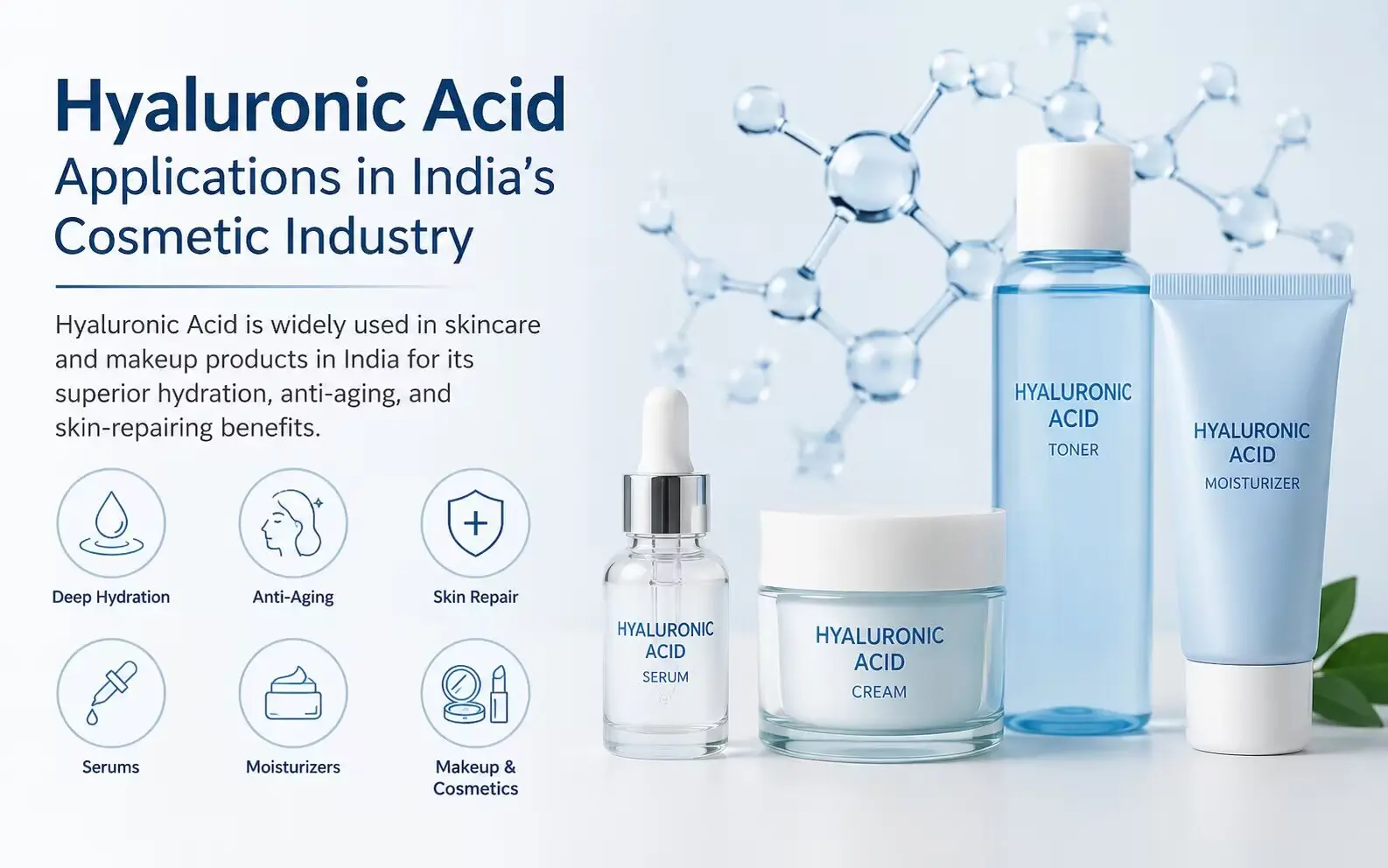
Analyzing the rise of anti-aging and hydration products in India, and how local brands utilize hyaluronic acid to formulate for diverse consumer skin types.
Read Full ArticleDirect, technical answers to common questions about sourcing active ingredients.
Select any product below to access full chemical specifications, MSDS, and volume pricing tables.