
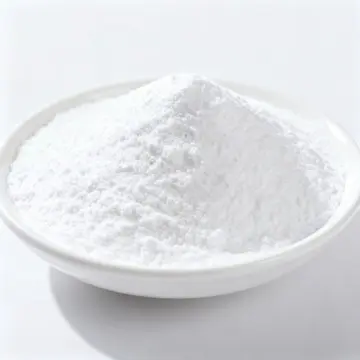
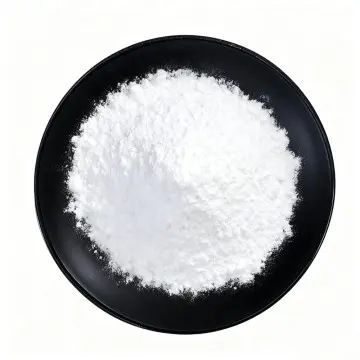
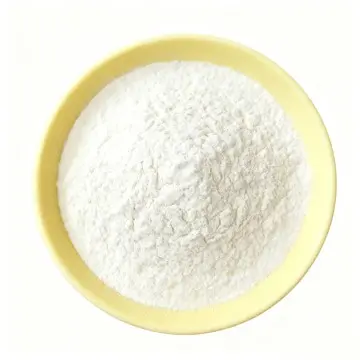
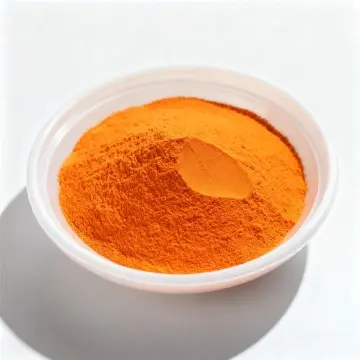
We provide four core biotechnological and acidulant food ingredients, synthesized under strict ISO & GMP configurations, tailored for Bulgarian and wider European food applications.
Bulgaria is strategically positioning itself as a central gateway for biotechnology, agriculture, and chemical synthesis within the Eastern European economic zone. Long celebrated for its rich history in natural fermentation—most notably the traditional isolation of Lactobacillus bulgaricus in dairy products—the nation is now undergoing a profound transition. Industrial hubs around Sofia, Plovdiv, and Varna are integrating modern molecular biology and advanced chemical manufacturing processes to meet the demands of global food producers.
This industrial pivot is fueled by the European Union’s push toward circular bio-economies and localized manufacturing. Raw agricultural resources from the Danube plain and Thrace are increasingly paired with refined, functional food ingredients to produce highly functional foods, nutraceuticals, and clean-label beverages. In this landscape, food ingredients factories operate under stringent EU guidelines, serving a double function: preserving traditional organoleptic profiles of Balkan foods while infusing modern, scientifically backed active compounds for enhanced gut, joint, and cellular health.
At Suzhou Wanfukang Chemical Co., Ltd, we recognize the distinct demands of the Bulgarian food and cosmetic industries. Combining our production advantages in raw material purification (specifically in fermentation-derived Sodium Hyaluronate, vitamins, and organic acidulants like Citric Acid) with localized European warehouse and supply structures, we provide Bulgarian manufacturers with direct access to high-purity ingredients. This synergy enables local brands to formulate products that meet the expectations of modern, health-conscious consumers who demand traceable, bio-compatible inputs.
Bulgaria’s strategic logistics corridors simplify the distribution of functional ingredients across Central, Eastern, and Western Europe, dramatically shortening lead times.
Building upon a legendary culture of lactic fermentation, local industries are exceptionally receptive to bio-fermented ingredients like Sodium Hyaluronate.
All processes strictly align with European Food Safety Authority (EFSA) regulations, ensuring zero trace metals, low heavy metals, and high safety thresholds.
The global market for active food ingredients is experiencing a significant shift in buying behavior. Food processors are moving away from synthetic preservatives and low-cost fillers toward physiologically active, high-purity, bio-sourced compounds. The rise of functional foods—such as active yogurts, fortified baked goods, and beauty-from-within functional waters—has driven demand for complex macromolecules like Sodium Hyaluronate (HA) and Chondroitin Sulfate, alongside vital cofactors like Coenzyme Q10.
In Europe, this shift is heavily governed by the European Food Safety Authority (EFSA) and regulatory frameworks that prioritize safety and transparency. Under these frameworks, ingredient suppliers must prove that functional materials, such as our non-animal origin Food Grade Sodium Hyaluronate, are produced using pure bacterial fermentation (e.g., Streptococcus zooepidemicus) and are free of dangerous chemical residues. Furthermore, global supply chain disruptions have highlighted the value of choosing raw material partners who offer consistent quality, comprehensive documentation (including COA, MSDS, ISO, and Kosher/Halal certifications), and high annual volumes.
Suzhou Wanfukang Chemical Co., Ltd bridges this market gap. By maintaining an annual sales volume exceeding 500 tons and exporting to more than 20 countries, we ensure that bulk food and cosmetic manufacturers in Bulgaria and across Europe receive reliable, uninterrupted shipments. Our factory controls every stage of production—from glucose fermentation raw materials to purification, molecular weight manipulation, and final dry packaging—guaranteeing that every batch meets global standards for food, cosmetic, and pharmaceutical-grade ingredients.
To successfully integrate functional ingredients into foods, manufacturers must understand their underlying physical and chemical properties. For instance, the behavior of Sodium Hyaluronate in a food matrix varies significantly depending on its molecular weight. Selecting the correct molecular size is critical for achieving the desired viscosity, texture, and absorption profiles:
In addition to hyaluronic acid, active cofactors like Coenzyme Q10 (Ubiquinone) are highly valued for their role in cardiovascular health and cellular energy. However, because CoQ10 is naturally hydrophobic, it requires specialized formulation techniques—such as micro-encapsulation or lipid-carrier blending—to ensure stability in aqueous food systems. Similarly, stabilizing vitamins (such as Vitamin A and Vitamin C) in food requires carefully managing temperature, pH, and oxidation during processing. Understanding these dynamics is essential for producing high-quality, shelf-stable foods.
| Ingredient Category | Main Functional Mechanism | Key Applications in Bulgaria | EFSA/Quality Target |
|---|---|---|---|
| Sodium Hyaluronate (All Grades) | Water retention, joint tissue lubrication, gut mucosal protection | Nutricosmetic juices, fermented dairy products, joint capsules | Non-animal origin, Heavy Metals < 10ppm, Assay > 95% |
| Coenzyme Q10 | Mitochondrial ATP synthesis support, powerful antioxidant protection | Softgel capsules, fortified energy bars, active aging drinks | Assay 98% - 101%, USP / EP Standards compliance |
| Citric Acid 99% | Natural acidity regulator, metal chelating agent, natural preservative | Beverage buffering, fruit syrup preservation, confectionery souring | BP / USP / FCC, clean white crystals, zero synthetic additives |
| Vitamins (A, C, B3) | Cell growth support, immune system maintenance, antioxidant defense | Flour fortification, functional foods, regional juices | High bioavailability, heat-stable coating options available |
In modern industrial food manufacturing, sourcing single ingredients is rarely enough. Success requires comprehensive formulation solutions. For example, producers in Bulgaria’s booming dairy and beverage sectors frequently face stability challenges when adding bioactive compounds to complex food matrices. To address this, Suzhou Wanfukang Chemical Co., Ltd offers tailored formulation solutions designed to keep functional ingredients stable, bioavailable, and sensory-friendly throughout a product’s shelf life.
Consider the production of fortified Bulgarian yogurts and probiotic kefirs. Introducing high-purity Sodium Hyaluronate into a fermented dairy system requires careful control over pasteurization temperatures and lactic acid levels. Our technical team helps manufacturers select the optimal molecular weight of hyaluronic acid to prevent unwanted protein precipitation. By working closely with local R&D teams, we help brands create smooth, stable functional foods that retain their active properties from the factory floor to the consumer's table.
In the functional beverage and active supplements sector, combining ingredients like Chondroitin Sulfate, hyaluronic acid, and ascorbic acid (Vitamin C) creates highly effective joint-health products. We supply these ingredients in precisely matched mesh sizes, ensuring fast dissolution, consistent mixing, and excellent clarity in liquid formulations. These complete solutions help European food brands accelerate product development, meet strict regulatory requirements, and launch highly successful products.
Explore our primary export selection of high-stability food acidulants, bio-fermented sodium hyaluronates, and heart-health active ingredients.
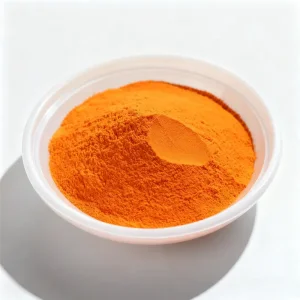
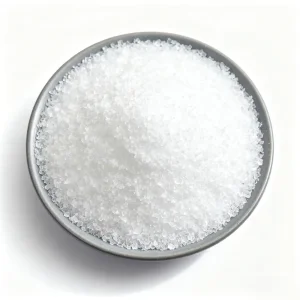
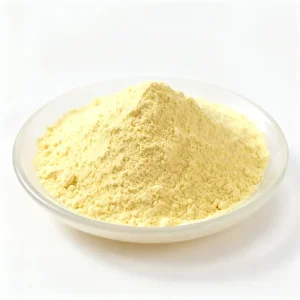
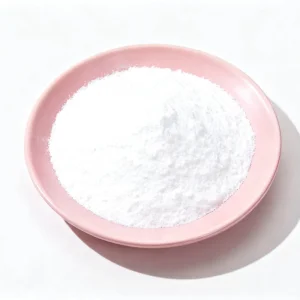
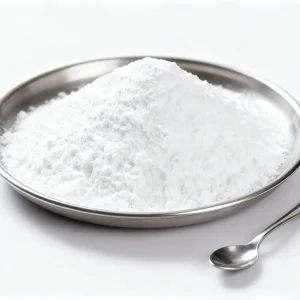
Suzhou Wanfukang Chemical Co., Ltd has built a strong reputation as a trusted global supplier of Sodium Hyaluronate, Hyaluronic Acid, and functional food ingredients. We specialize in producing and exporting high-purity raw materials for the cosmetics, dietary supplement, and food industries worldwide. Over years of steady growth, we have expanded our product line to meet the diverse needs of modern manufacturers, establishing ourselves as a reliable partner in the international supply chain.
We provide a comprehensive range of sodium hyaluronate grades, including food, cosmetic, and pharmaceutical grades. Our portfolio also includes essential functional ingredients like Niacinamide, Coenzyme Q10, Citric Acid, and key vitamins. Our state-of-the-art manufacturing partners employ advanced bio-fermentation processes to ensure that all ingredients are highly pure, safe, and stable, making them ideal for the strict demands of European and Bulgarian markets.
By prioritizing quality, reliability, and excellent service, we support our clients through every step of production. From custom molecular weights to detailed documentation, we deliver ingredients that perform consistently and help our partners succeed in competitive markets.



Stay informed with the latest updates on hyaluronic acid sourcing, cosmetic trends, and ingredient selection across international markets.
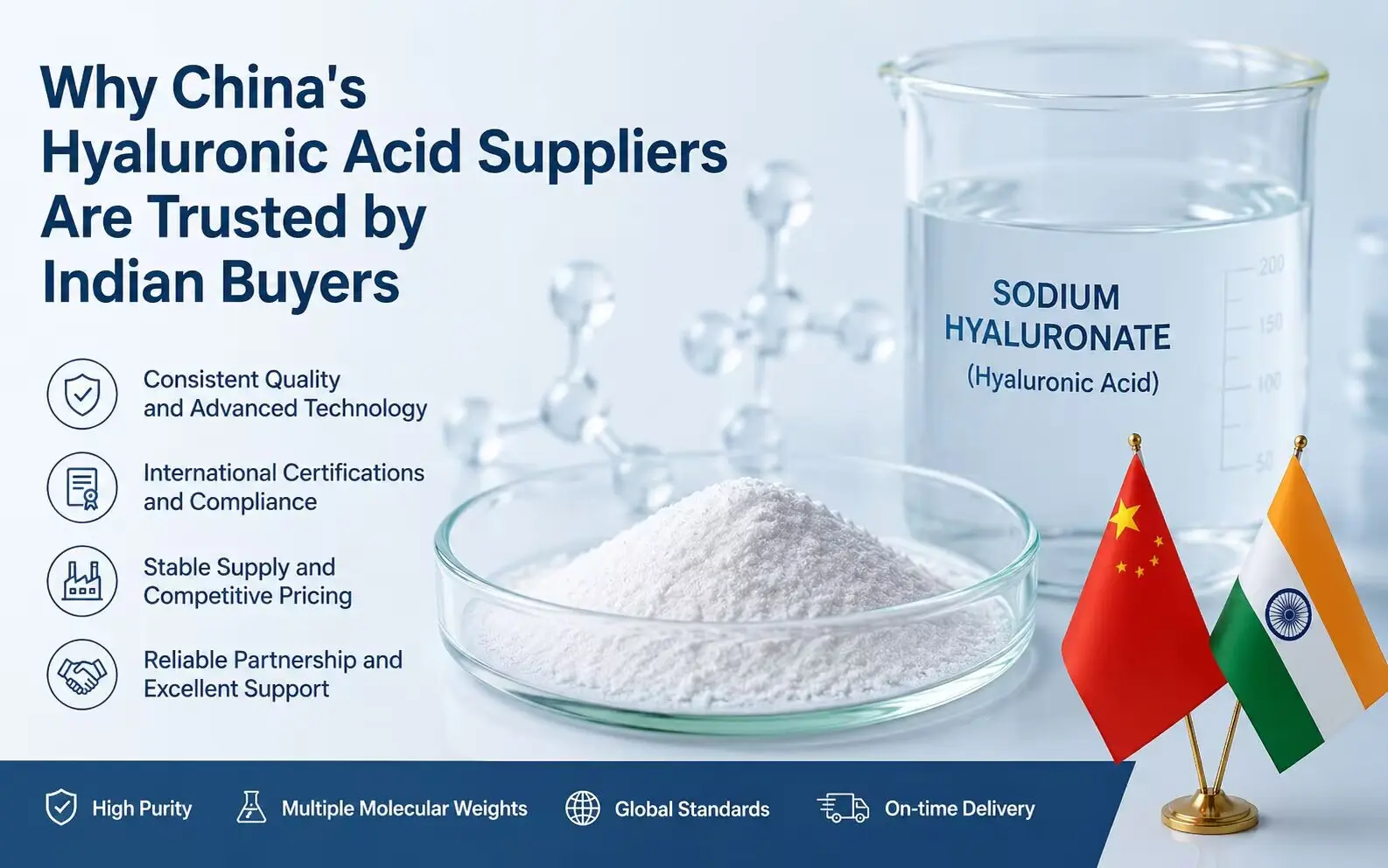
With the steady expansion of the beauty and supplement industries, international buyers are turning to Chinese suppliers for consistent high purity, stable volumes, and complete EFSA/FDA regulatory compliance.
Global Sourcing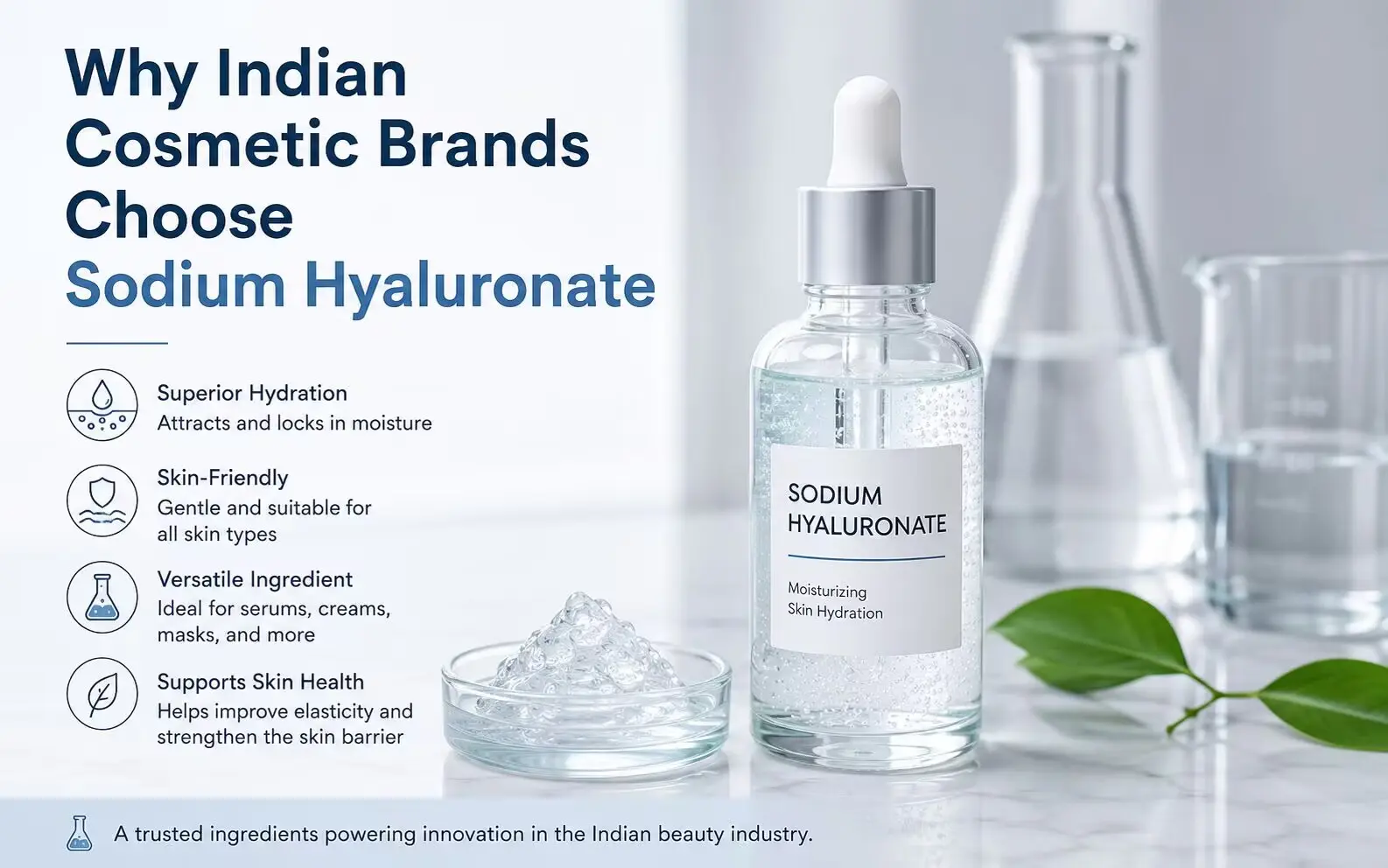
As the demand for safe, clean-label personal care products rises, bio-fermented sodium hyaluronate has become the go-to active ingredient for moisturizing formulations worldwide.
Market Trends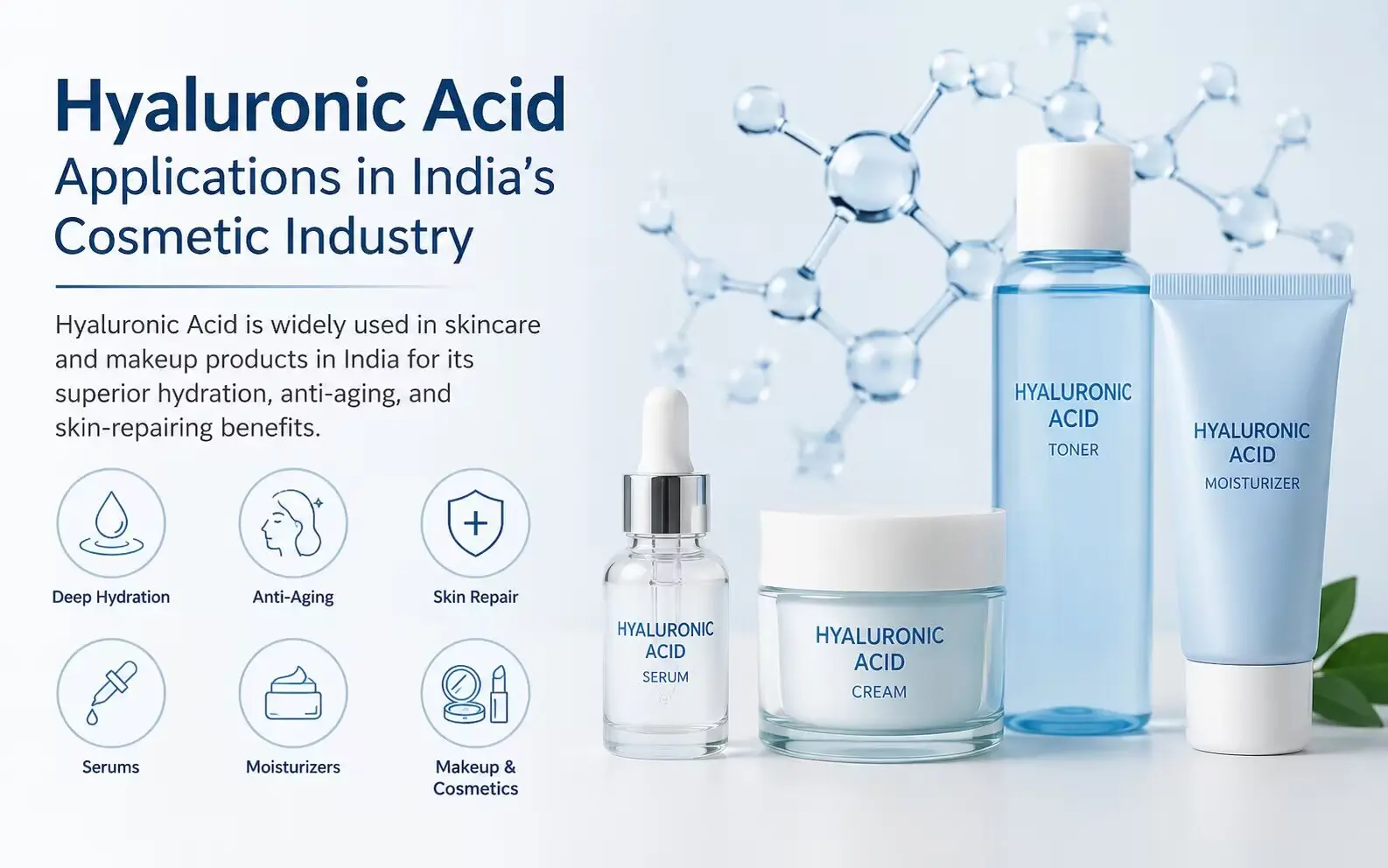
Discover how food scientists integrate different molecular weights of hyaluronic acid into sports drinks and beauty beverages to support joint health and skin hydration.
R&D InnovationsWe preserve and guarantee trace access to all historical custom catalog batches listed below. Explore our specialized ingredient range:
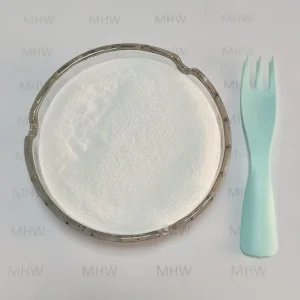
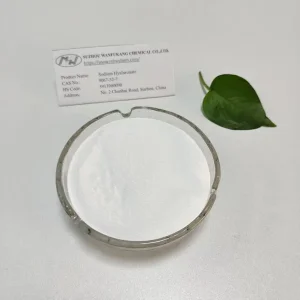
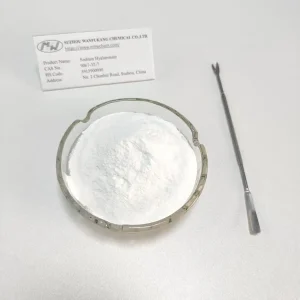
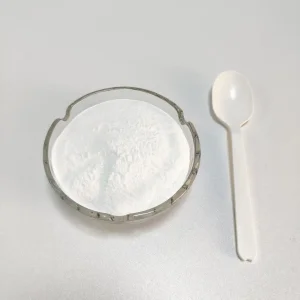
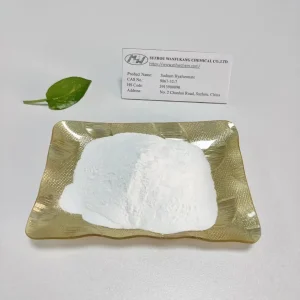
We work closely with leading pharmaceutical, food, and cosmetic companies worldwide to deliver high-quality ingredients and reliable supply chain solutions.


Find answers to technical questions about molecular weights, regulatory compliance, and formulation stability for food ingredients.
Get in touch with our technical sales team today to request samples, detailed specifications, or custom quotes for your production needs in Bulgaria and Europe.
Send Inquiry Now