Providing direct integration into Benelux functional food formulations, dietary supplements, and nutraceutical distribution channels.
A Comprehensive Analytical Whitepaper for Food Technologists, Procurement Directors, and Regulatory Affairs Managers in the Benelux and European Union Markets.
The Netherlands occupies a position of pre-eminence within the global agri-food infrastructure. Representing the second-largest agricultural exporter globally, the country operates as the central logistics engine for Europe. The Wageningen Food Valley ecosystem serves as the epicentre of research and development, constantly pushing the boundaries of plant-based proteins, novel ingredients, and bio-technological innovations. In this highly sophisticated market, food ingredients are scrutinized under the strictest quality parameters. The demand is heavily steered by clean-label directives, non-GMO requirements, and functional verification.
As a leading supplier of bio-fermented ingredients, including Food Grade Sodium Hyaluronate (Hyaluronic Acid), Coenzyme Q10, and high-purity vitamins, Suzhou Wanfukang Chemical Co., Ltd. aligns its processing matrices with the demands of Dutch manufacturers. Our primary objective is to supply premium-grade molecules that satisfy the technological thresholds expected by Benelux food processing complexes. This is achieved by combining scalable Chinese manufacturing capacity with local regulatory compliance systems that align with the requirements of the NVWA (Netherlands Food and Consumer Product Safety Authority).
"The Dutch food industry is characterized by its reliance on high-throughput automation and strict traceability protocols. For a global raw material manufacturer to effectively serve this hub, they must demonstrate not only chemical assay precision but also full supply chain transparency and alignment with EFSA scientific opinions."
Operating a functional food or dietary supplement production facility within the Netherlands requires navigating complex procurement timelines. Over 70% of raw functional ingredients imported into the EU pass through the Port of Rotterdam. However, transit reliability, batch-to-batch consistency, and allergen cross-contamination remain high risks for supply chain executives. Suzhou Wanfukang Chemical addresses these challenges through a systematic approach to supply chain resilience:
The Dutch population shows a growing preference for healthy aging products. The market for joint health formulations, bone density supports, and nutricosmetics (beauty-from-within) has expanded beyond traditional capsules into functional beverages, gummies, and functional dairy. Formulators in Utrecht, Amsterdam, and Eindhoven are faced with formulation challenges that require specialized raw materials:
A. Joint Health Formulation Upgrades (Sodium Hyaluronate + Chondroitin Sulfate): Traditional joint supplements relied on heavy animal-derived glues. Today, the shift towards non-animal origin Sodium Hyaluronate (from microbial fermentation) combined with Chondroitin Sulfate is the industry standard. Sodium Hyaluronate acts to replenish the viscoelastic properties of synovial fluid, reducing friction in weight-bearing joints.
B. Bioavailable Coenzyme Q10 in Functional Foods: As a hydrophobic molecule, incorporating Coenzyme Q10 into water-based beverages poses dispersibility challenges. Suzhou Wanfukang provides technological options to modify crystal structures or deliver custom-milled powders that improve solubility in food matrices without altering taste or mouthfeel.
C. Acidulation and Preservative Matrices (Citric Acid Assay 99%): As the backbone of organic acidulation in beverages, Citric Acid must maintain a high assay value with absolute purity to prevent precipitation or color shift in delicate formulations.
In the field of oral administration of Hyaluronic Acid, molecular weight dictates physiological pathways and formulation stability. Suzhou Wanfukang Chemical Co., Ltd. has developed a proprietary bio-fermentation platform that controls polymer chain length, offering a precise range of molecular weights for the European market:
Molecular weight > 1.6 MDa. Formulates excellent moisture-retention barriers in gel systems and supplements targeting gastric mucosal lining support.
Molecular weight 0.8 MDa – 1.5 MDa. The universal choice for synovial joint health products, balancing absorption profiles with structural viscosity.
Molecular weight < 0.8 MDa down to 10 kDa. Designed for rapid intestinal mucosal absorption, triggering endogenous HA synthesis in systemic tissue.
Exporting ingredients to the Netherlands requires strict compliance with European food legislation. Food Grade Sodium Hyaluronate must meet the requirements of Directive 2002/46/EC and Regulation (EC) 1925/2006 on vitamins, minerals, and other substances added to foods. Under the current EU regulatory framework, ensuring your ingredients do not violate the Novel Food Regulation (EU) 2015/2283 is vital for market access.
Suzhou Wanfukang's quality management system is structured around the principles of Hazard Analysis Critical Control Point (HACCP), ISO 22000, and GMP+ standards. Each batch of raw material is audited for heavy metals (such as Pb, As, Hg, Cd), microbiological counts (Total Plate Count, Yeast & Mold, E. coli, Salmonella), and assay percentages via validated HPLC testing. This level of technical oversight is essential to support our Dutch partners in their documentation for the EFSA (European Food Safety Authority).
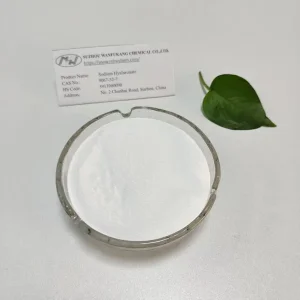
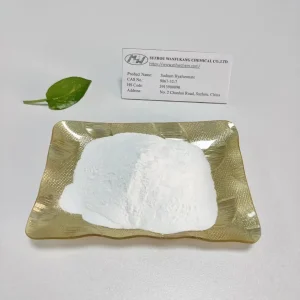
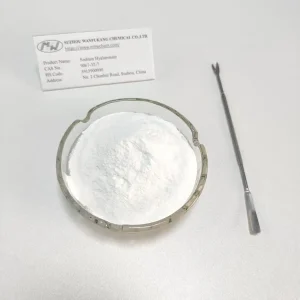
Suzhou Wanfukang Chemical Co., Ltd. has established itself as a professional supplier of Sodium Hyaluronate and Hyaluronic Acid over years of operation. By maintaining a focus on research, development, and supply chain control, we supply all grades of sodium hyaluronate, including food grade, cosmetic grade, and pharmaceutical grade.
As our operations have expanded, we have developed a broad portfolio of cosmetic ingredients, health food raw materials, and pharmaceutical ingredients. Many of our materials are used in personal care formulations, joint health supplements, and medical devices globally. Our operational presence in key international corridors allows us to meet the quality and delivery schedules required by European manufacturers.

Stay updated with research findings, logistics updates, and regional demand dynamics affecting hyaluronic acid and bio-ingredients.
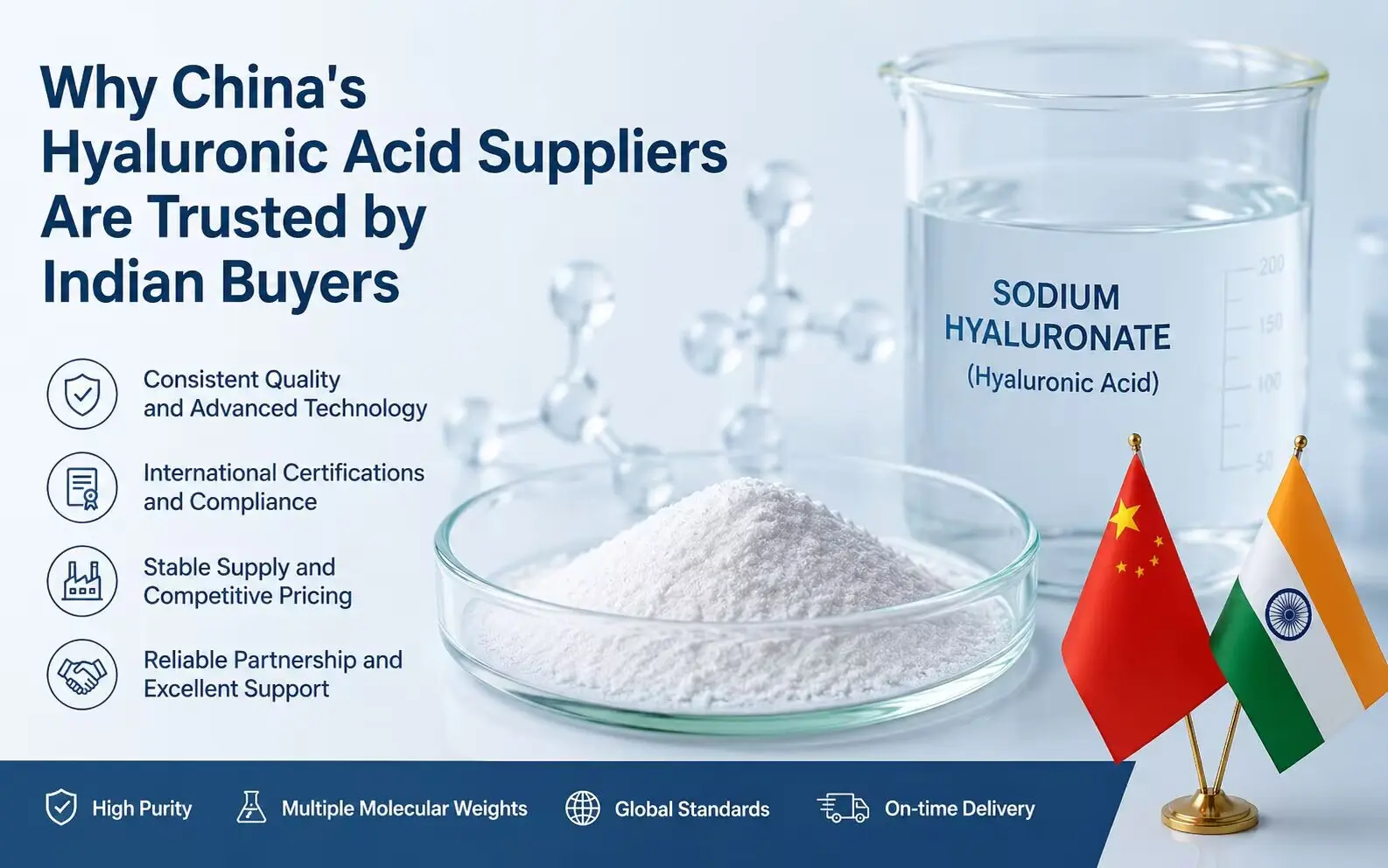
Analysis of the growing demand for hyaluronic acid (HA) and sodium hyaluronate in fast-developing manufacturing hubs, exploring how Chinese suppliers maintain consistent quality and cost control.
Read Full Report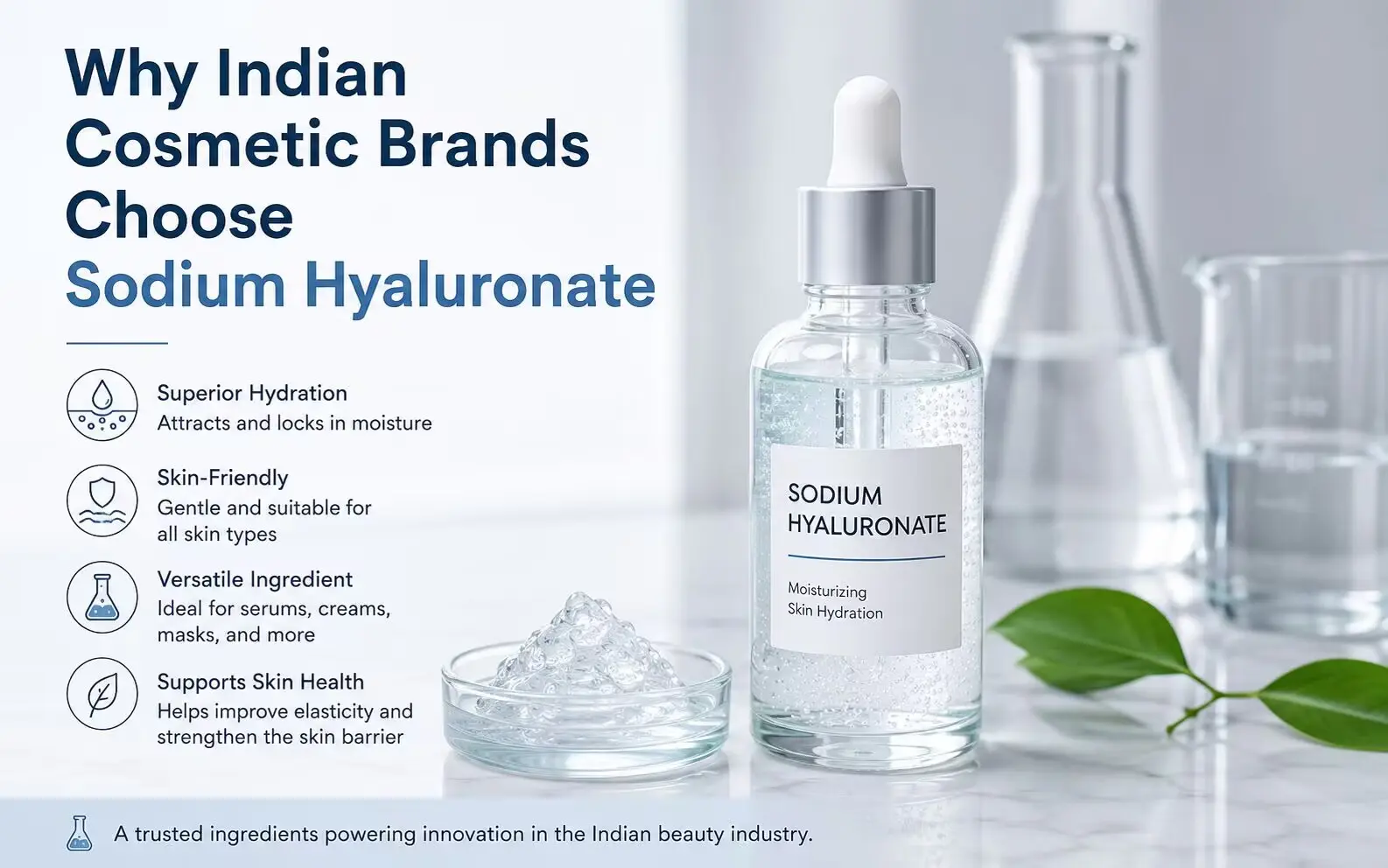
An examination of cosmetic branding and product formulation strategies that rely on high-purity sodium hyaluronate to meet consumer demand for functional, moisturizing skincare.
Read Full Report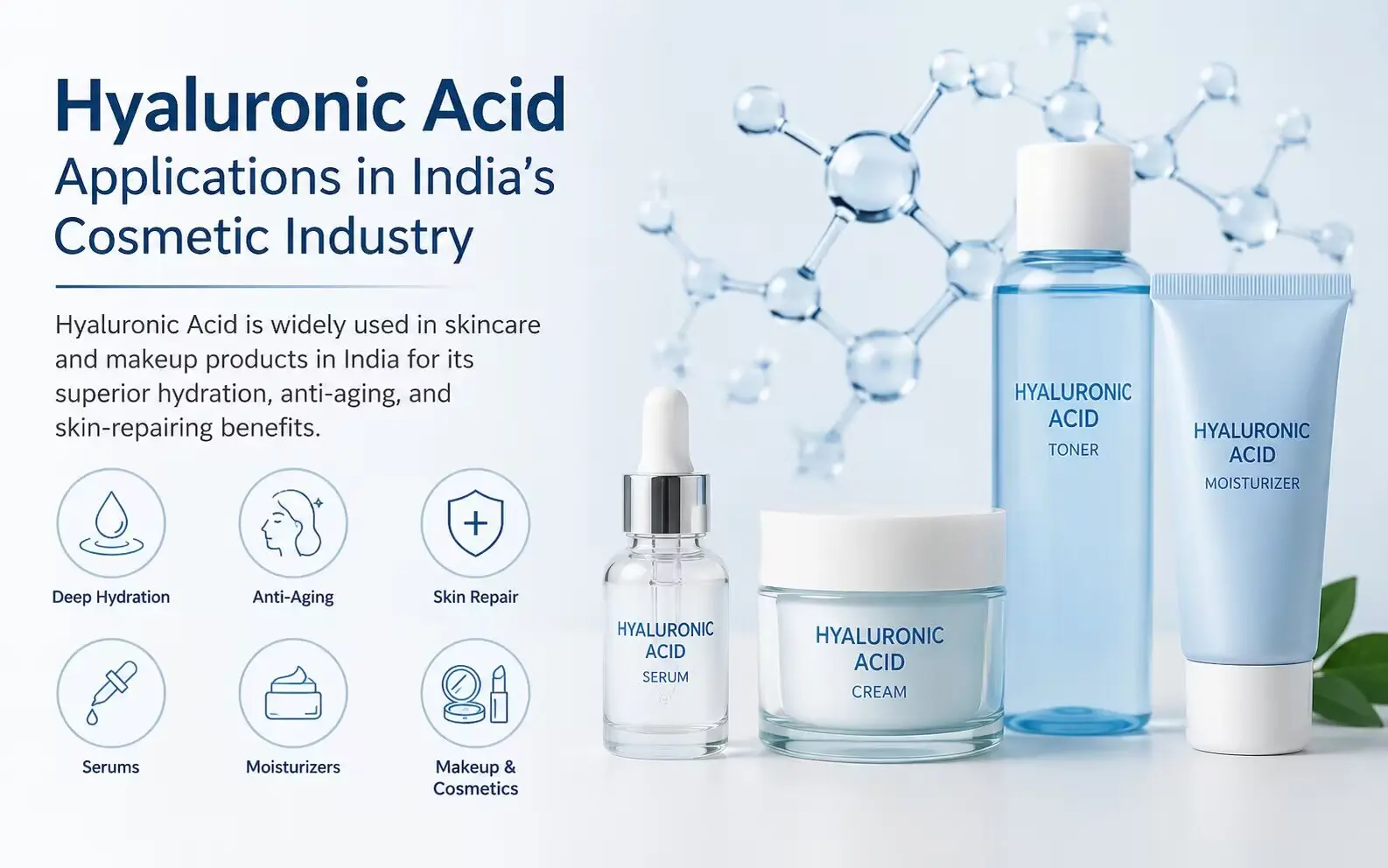
Insights into dynamic formulations, active ingredient percentages, and downstream processing adjustments needed to ensure efficacy in modern nutricosmetic lines.
Read Full Report

Browse our complete range of certified organic raw materials and molecular weights, complete with documentation for import registration.
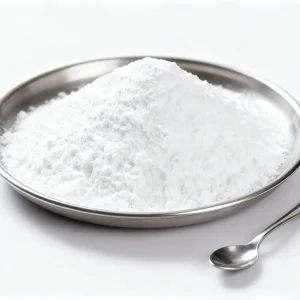
Addressing technical, logistics, and compliance inquiries from food manufacturers in Europe and the Netherlands.
Our Food Grade Sodium Hyaluronate is produced through Streptococcus zooepidemicus fermentation, which is a recognized process for oral hyaluronic acid within the European Union. Under current EU directives, it is not classified as a Novel Food when meeting established purity specifications, as similar ingredients were introduced to the European market prior to May 1997. We supply comprehensive traceability reports to support your compliance file.
High Molecular Weight (HMW) hyaluronic acid is susceptible to thermal degradation and viscosity reduction under high-heat treatments (such as HTST pasteurization). For functional drinks, we recommend our Low Molecular Weight (LMW) or Ultra-Low Molecular Weight options. These exhibit stable viscosity profiles and preserve molecular structure under standard processing temperatures.
For every shipment destined for the Netherlands and wider Benelux markets, we supply a complete documentation package. This includes the Certificate of Analysis (CoA), GMP compliance certificate, ISO 22000 registration, Non-GMO Declaration, Allergen-Free Statement, and Kosher/Halal certification documents. All documents are structured to facilitate customs clearance at EU points of entry.
Coenzyme Q10 and Vitamin A are sensitive to light, oxygen, and heat. We package these raw materials in double-layered PE bags inside food-grade fiber drums, sealed with nitrogen flush. They should be stored in cool, dry conditions (preferably under 15°C) to maintain assay values over their 24-month shelf life.
Yes. We offer customized milling services to adjust particle size distribution (PSD) for our functional ingredients. Whether you require micro-milled powders for rapid dissolution or granulated ingredients for direct compression tableting, our technical team can adjust processing parameters to meet your requirements.
Are you looking to optimize your formulation, improve batch consistency, or secure your supply chain through Rotterdam? Let our technical team assist you with samples and custom pricing.
Send Inquiry Now